What to Wear for a Windy Fall Road Ride
When a cool start turns into strong crosswinds, shaded roads, and colder descents, your clothing choices matter more than the forecast alone. I’ll show you how to layer for comfort, control, and flexibility without carrying a bulky wardrobe.
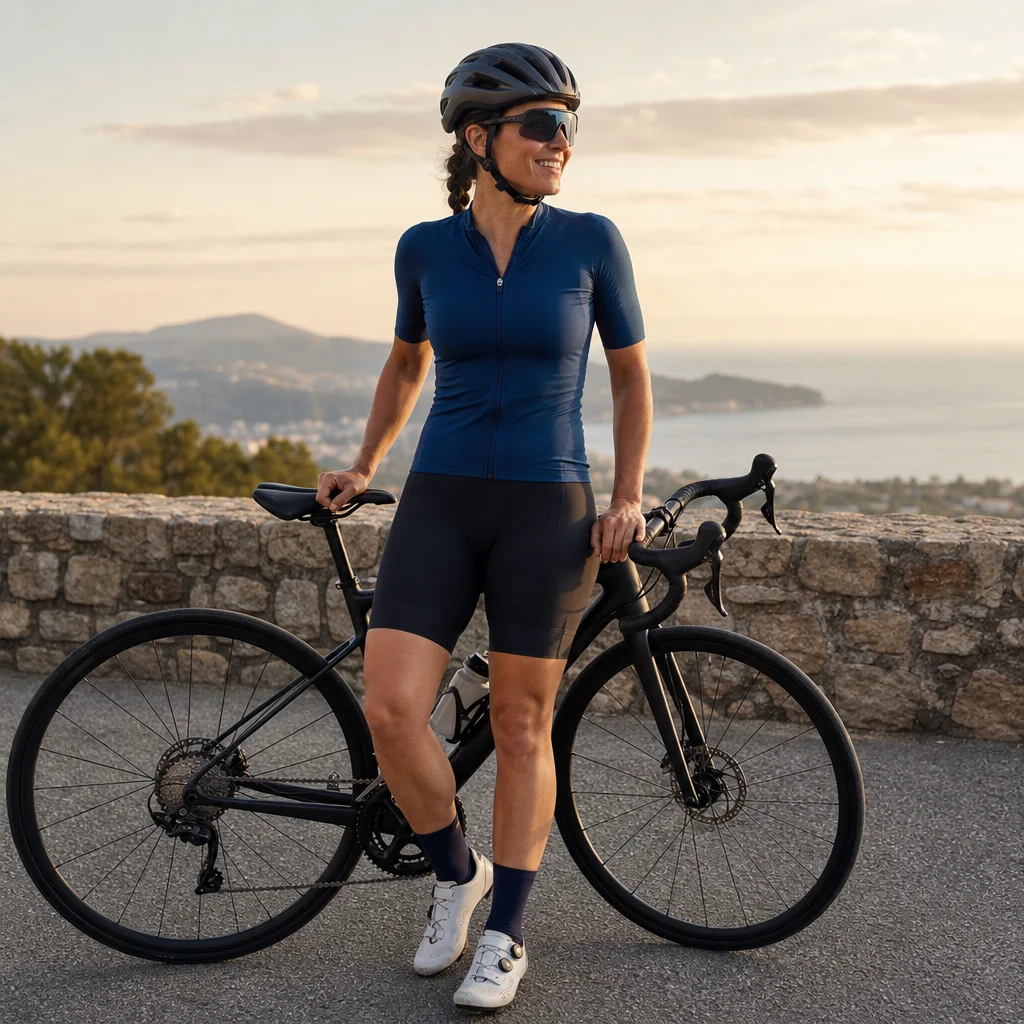
Windy fall rides are difficult to dress for because the temperature you feel can change faster than the temperature on the forecast. A sheltered climb may leave you warm and damp, while an exposed descent can make the same clothing feel inadequate within minutes.
The solution isn’t simply adding more layers. It’s choosing pieces that manage wind, moisture, and changing effort—and packing one or two compact options for conditions you can’t predict.
Start with the ride, not the season
“Fall” can mean very different conditions. Before choosing clothing, consider four variables:
- Starting temperature: Your first few miles may feel colder than the rest of the ride.
- Wind direction and strength: A headwind can increase cooling, while crosswinds can affect handling and comfort.
- Terrain: Long climbs create heat; long descents remove it quickly.
- Exposure: Open farmland, ridgelines, bridges, and coastal roads often feel colder than sheltered streets.
Your expected effort matters, too. A steady endurance ride usually calls for more insulation than a hard group ride, where you’ll generate more heat. If you’ll stop frequently, wait at intersections, or spend time outside a café, bring an additional layer even if you expect to stay comfortable while pedaling.
Use a flexible three-layer system
A useful fall setup has three jobs: move moisture away from your skin, provide insulation, and block wind or light precipitation.
1. Base layer: manage moisture
Wear a close-fitting short- or long-sleeve base layer made from a moisture-managing synthetic fabric or merino wool. Its job is to keep sweat from sitting against your skin when the pace rises.
Avoid cotton for a windy ride. Once wet, it dries slowly and can make a cool descent unpleasant. A base layer also gives you more control than relying on a thick outer jacket alone.
Choose the sleeve length based on your likely effort and temperature changes:
- Short-sleeve base layer: Useful when the main insulation is a jersey, vest, or arm warmers.
- Long-sleeve base layer: Better for cooler starts or riders who get cold easily.
- Lightweight thermal base layer: Appropriate when the ride will stay cool rather than warm up significantly.
The fit should be snug without restricting your breathing or arm movement. Excess fabric can bunch beneath a jersey and make layering less comfortable.
2. Mid layer: add warmth without trapping too much sweat
Your middle layer might be a long-sleeve jersey, thermal jersey, vest, or a combination of lighter pieces. The right choice depends on how much insulation you need and how easily you overheat.
A thermal jersey adds warmth across your torso and arms, but it may be too much on a hard climb. A vest offers a more targeted solution: it protects your chest from wind while leaving your arms free to release heat.
Arm warmers are particularly useful in variable fall conditions. They can be removed during a climb and stored in a jersey pocket, then put back on before a descent. If you use them, choose a pair with enough grip to stay in place without cutting into your upper arm.
3. Outer layer: block the wind when needed
A windproof or wind-resistant shell is often the most valuable piece for an exposed fall ride. It reduces the air moving through your clothing, which can make a major difference on descents and open roads.
Look for a cycling-specific cut with a longer rear panel, a close-fitting collar, and sleeves long enough to cover your wrists in riding position. A two-way or easy-access zipper can help you regulate heat without fully removing the jacket.
A highly windproof shell may be less breathable than a lighter wind vest or woven jersey. That trade-off matters. If you’ll be climbing steadily, prioritize ventilation. If the route has fast descents, persistent headwinds, or long exposed sections, stronger wind protection may be worth some additional warmth and moisture inside the jacket.
Dress for the coldest high-risk section
It’s tempting to dress for the first mile because that’s when you notice the cold. For a windy route, think instead about the section where losing heat would matter most:
- A long descent after a strenuous climb
- An exposed ridge with no shelter
- A bridge or open causeway
- A shaded road late in the afternoon
- A stop where you’ll be standing still in damp clothing
You shouldn’t be shivering at the start, but you also shouldn’t aim to feel fully warm before riding. A slightly cool feeling during the first few minutes is often more comfortable than starting overdressed and soaking your base layer with sweat.
Check your exposed sections: Before leaving, identify the longest descent, most open stretch, and latest likely stop. Those locations should determine which compact layer or accessories you carry.
Protect the parts that lose comfort first
Your torso gets most of the attention, but hands, feet, neck, and ears can determine whether the ride remains enjoyable.
Hands
Light full-finger gloves are a strong default for windy fall conditions. If your fingers become cold easily, choose gloves with a wind-resistant back and enough dexterity to operate your controls safely.
Very thick gloves can reduce your feel on the bars and make shifting or braking more awkward. Test them while holding your normal riding position. If you use electronic or touchscreen devices, make sure the gloves work with the controls you actually need to use.
Feet
Start with cycling socks that provide warmth without making your shoes tight. Tight shoes can restrict circulation and make your feet feel colder, even when the socks are adequate.
Toe covers are a compact way to protect the front of your shoes from wind. Full shoe covers provide more warmth and can help during wet conditions, but they may be unnecessary on a dry ride. Check that any covers fit your shoe and cleat system without interfering with walking or clipping in.
Neck and ears
A thin neck gaiter can reduce the chill on descents and pack more easily than a bulky scarf. It can also be lowered or removed as you warm up. A lightweight cap or headband may help under a helmet, but avoid anything that affects helmet fit or ventilation.
Don’t ignore fit and ventilation
Wind protection works best when clothing fits properly. A loose jacket can flap, create noise, and catch gusts. An overly tight jacket can restrict movement and leave no room for the base layer you need beneath it.
Check the fit in your riding position, not only while standing. Look for:
- Sleeves that cover your wrists when your hands are on the bars
- A hem that stays below your lower back
- A collar that closes without pressing against your throat
- Pockets you can reach without excessive shoulder movement
- Enough room to layer without compressing insulation
Ventilation is equally important. Open or loosen the jacket before a climb rather than waiting until you’re overheated. Sweat trapped beneath a windproof layer can leave you colder later, especially when the pace drops.
Pack for changes instead of carrying a full wardrobe
A compact fall kit can cover a wide range of conditions:
- Wind vest or lightweight wind shell
- Arm warmers or a packable long-sleeve layer
- Full-finger gloves
- Neck gaiter or thin cap
- Toe covers if your feet are vulnerable to wind
- A small waterproof shell if rain is possible
You probably won’t need every item on every ride. Choose the pieces that solve the most likely problem. For example, arm warmers and a vest may be more versatile than one thick jacket when the route alternates between climbs and exposed descents.
Pack layers where you can reach them without stopping in an unsafe location. A jacket that stays buried beneath tools and spare tubes is less useful than one stored in an accessible jersey pocket or top-tube bag.
Account for crosswinds and loose clothing
Strong crosswinds affect more than temperature. They can move the bike laterally, particularly on open roads, near large vehicles, or when passing gaps in hedges and buildings.
Avoid loose straps, dangling jacket cords, and oversized shells that can flap in gusts. Secure anything that could catch wind or distract you. Keep both hands available for control, and reduce speed when conditions become unpredictable.
If a jacket is noticeably noisy or billowing, it may be too loose or may need its vents adjusted. A close-fitting cycling garment is usually easier to manage than a casual rain jacket, provided it gives you enough room to move.
Handle the most common clothing mistakes
Starting in too much insulation
Overdressing can make the first climb sweaty and leave your base layer damp for the rest of the ride. Use a removable layer rather than a heavy, permanent one when the route will warm up.
Wearing a jacket without opening it
A windproof layer is useful, but keeping it fully closed through every effort can trap heat. Regulate early and often.
Forgetting the descent
A hard climb can make you feel prepared for anything. The descent immediately afterward is where damp clothing and wind exposure become uncomfortable. Put on your shell before you begin losing heat.
Choosing warmth over movement
Bulky sleeves, stiff shoulders, or tight gloves can affect your handling. Clothing should support control, not compete with it.
Treating the forecast as a guarantee
A forecast may not reflect the temperature on an exposed road, the cooling effect of a sustained headwind, or how quickly conditions change after sunset. Use it as a starting point, then adjust for route and effort.
A simple decision checklist
For a cool, windy fall ride, ask:
- Will I climb hard enough to overheat?
- Where is the longest exposed or downhill section?
- Do I need wind protection, insulation, or both?
- Can I remove or add a layer during the ride?
- Are my hands and feet protected without restricting control?
- Does everything fit securely in my riding position?
A lightweight base layer, a flexible insulating piece, and a packable wind-blocking layer will cover many temperate fall rides. Add warmer gloves, toe protection, or a waterproof shell when the route, timing, or personal comfort requires them.
Before you leave, put on the clothing you expect to use, check that you can reach your brakes and pockets comfortably, and pack the one layer that protects you from the ride’s coldest likely moment. That small amount of planning makes changing fall conditions much easier to manage.