Road-Cycling Gloves for Different Hand Positions and Weather
Glove choice affects comfort differently on the tops, hoods, and drops, especially as temperatures change. I’ll show you how padding, palm materials, insulation, and breathability fit together so you can choose sensibly for each ride.
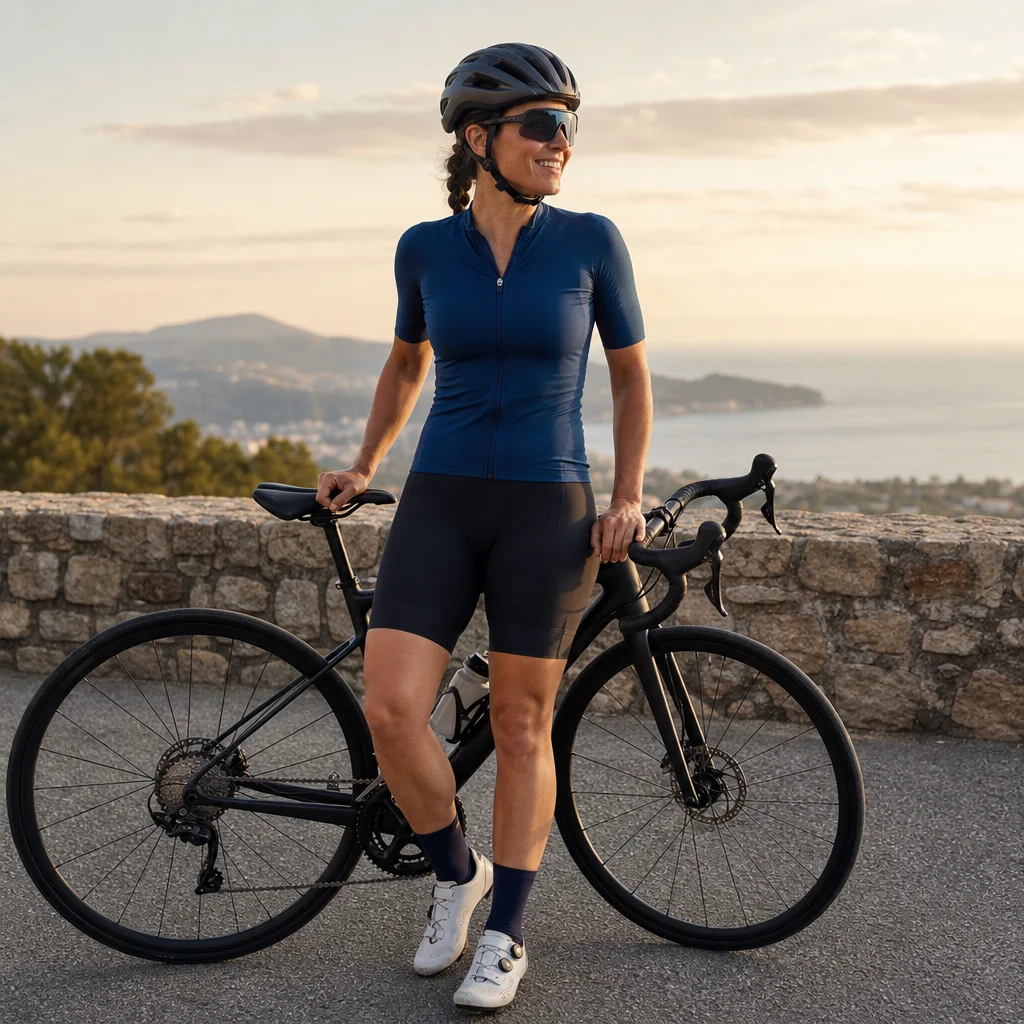
Your hands can feel fine on the hoods but go numb on the drops, or stay warm on a short ride and become sweaty and uncomfortable over several hours. The right road-cycling gloves depend on two things working together: where you place your hands and what the weather is doing.
Padding, palm construction, insulation, and breathability each solve a different problem. More of one feature isn’t automatically better. A heavily padded, insulated glove may be comfortable in one situation and awkward in another.
Start with your usual hand positions
Road-bike handlebars give you several hand positions, and each changes how pressure reaches your palms.
The tops
Your hands rest lightly on the upper, relatively flat sections of the handlebar when you’re riding easily or climbing at a relaxed pace. Because your wrists are usually fairly neutral here, the tops often feel comfortable even with minimal padding.
If you spend a lot of time on the tops, look for gloves with:
- A flexible palm that doesn’t bunch when your fingers open
- Light padding beneath the base of the fingers
- A breathable back-of-hand fabric
- Enough grip to keep your hands steady without feeling sticky
Thick padding can make the tops feel soft, but it may reduce your sense of control and make the glove feel bulky when you move to another position.
The hoods
The hoods are the most common hand position for many recreational riders. Your palms support part of your weight, and pressure can build near the base of the fingers or along the outer edge of the hand.
For regular riding on the hoods, medium padding is often a sensible starting point. The padding should cushion pressure without forcing your hand into a fixed shape. A palm that flexes around the hood is usually more useful than one with a thick, rigid insert.
Pay attention to the glove’s seams, too. A seam in the wrong place can become more irritating than a lack of padding, particularly on a longer ride.
The drops
When you move to the drops, your wrist angle changes and your hands may carry pressure in different areas. You may also grip the bars more firmly when descending, riding into wind, or braking frequently.
A glove that feels excellent on the hoods can feel restrictive on the drops if its palm is too stiff or its fingers are too short. Look for enough stretch to let your fingers curl naturally around the brake levers and enough material between your hand and the bar to reduce pressure points.
If you frequently ride in the drops, test gloves in that position before judging the fit. Open and close your hands, reach for the brake levers, and check that the material doesn’t pull tightly across your knuckles.
Check the fit in every position: Before a longer ride, try the gloves on the tops, hoods, and drops while operating the brake levers. A comfortable palm in one position doesn’t guarantee comfortable control in another.
How much padding do you need?
Padding can reduce pressure and vibration, but it isn’t a substitute for a good bike fit, relaxed grip, or suitable handlebar tape. Too much padding can compress unevenly and create new pressure points.
Light padding
Lightly padded gloves suit riders who:
- Prefer direct feedback from the handlebar
- Ride shorter distances
- Spend much of the ride on the tops
- Use well-padded handlebar tape
- Don’t experience recurring palm discomfort
They’re also useful in warm weather because less material can improve airflow.
Medium padding
Medium padding is the most versatile choice for many beginner and intermediate riders. It can provide comfort on the hoods and drops without feeling excessively bulky.
Choose a pair with padding distributed across the areas where your hands actually bear pressure. A large, soft pad may look comfortable but can fold or move as you change positions. A shaped pad that stays in place is usually easier to live with.
Heavy padding
Heavily padded gloves may help if you experience persistent pressure on your palms, ride on rough roads, or use a handlebar setup that transmits a lot of vibration. However, they can also make it harder to feel the bar and may interfere with a secure grip.
If numbness continues despite changing gloves, examine other causes as well. A tightly clenched grip, excessive reach, an unsuitable bar position, or poor weight distribution can all contribute to hand discomfort.
Compare palm constructions
The palm is where comfort and control meet. Materials and construction affect grip, durability, drying time, and how naturally the glove moves with your hand.
Synthetic leather
Synthetic leather palms are common because they can offer a consistent grip and reasonable durability without the care requirements of natural leather. They’re available in thin and heavily padded versions.
The quality varies, so inspect the stitching and reinforcement around the thumb and between the fingers. These areas often experience repeated flexing and can wear before the main palm does.
Mesh and lightweight fabric
Fabric palms and mesh panels can feel cool and flexible in warm conditions. They’re a good match for short rides, high temperatures, or riders who dislike a substantial glove.
Their trade-off is usually lower abrasion resistance and less protection if you fall. They may also hold less structure around the palm, which can allow the glove to shift if the fit isn’t close.
Silicone or printed grip sections
Silicone prints and similar grip details can help the palm stay in place. They’re particularly useful when your hands are damp or when you move frequently between positions.
More grip isn’t always better. A very tacky palm can make repositioning feel less smooth, and raised print can become uncomfortable if it sits directly under a pressure point. Look for grip in targeted areas rather than across the entire palm.
Pull tabs and touchscreen features
Pull tabs make gloves easier to remove, especially when your hands are sweaty. They’re a small feature, but useful on longer rides when taking gloves off without stretching the fingers can preserve their shape.
Touchscreen-compatible fingertips are convenient for checking a phone or cycling computer. Treat them as a convenience rather than a reason to accept a poor fit. A glove that controls the bike comfortably matters more than one that works perfectly with a screen.
Match insulation to the weather
Temperature, wind, speed, and moisture all affect how warm your hands feel. A still morning at a mild temperature can feel very different from a fast descent into a headwind.
Warm and humid conditions
Choose short-finger gloves or lightweight full-finger gloves with a breathable back. Thin materials can reduce sweat buildup, and a lightly padded palm should be enough for many shorter rides.
If your hands sweat heavily, avoid gloves with thick foam that holds moisture. Wet padding can feel clammy and may increase friction against your skin.
Cool but dry conditions
Lightly insulated full-finger gloves are usually more adaptable than very thick winter gloves. They can provide warmth while still allowing you to operate the brakes and shift levers precisely.
Wind-blocking fabric on the back of the hand can be useful because moving air removes heat quickly. Make sure the glove doesn’t restrict your fingers when they curl around the levers.
Cold conditions
For colder rides, prioritize insulation and wind resistance, but test dexterity carefully. You need to brake, shift, and control the bike without excessive force.
A glove that’s too tight may make your hands feel colder by compressing the insulation and limiting movement. A slightly roomier fit can help, but excess space can reduce control. If you use an inner liner, account for it when choosing the outer glove.
Rain and changing conditions
Water-resistant gloves can delay soaking, but no lightweight cycling glove stays perfectly dry in every prolonged downpour. Seams, cuffs, sweat, and contact with wet handlebar tape all affect performance.
For variable weather, pack a thin spare pair or choose gloves that dry relatively quickly. If rain is likely, consider how easily the gloves can be removed and stored without soaking the rest of your kit.
Check the forecast and exposure: Before setting out, consider temperature, wind, rain, ride duration, and exposed descents—not just the temperature outside your door. Pack an extra layer when conditions may change during the ride.
Choose by ride length and conditions
A simple starting point is to match glove complexity to the demands of the ride.
Short rides in stable weather
Use lightweight gloves with light or medium padding. Focus on comfort, breathability, and an uncomplicated fit. You probably don’t need substantial insulation or elaborate weather protection.
Long rides in predictable conditions
Choose a glove with reliable palm construction, secure seams, and padding that remains comfortable after several hours. Full-finger gloves may be useful even in mild weather if you prefer more coverage or expect cooler descents.
Rides with changing conditions
Prioritize versatility. A breathable full-finger glove, a packable outer layer, or a spare pair may be more useful than one heavily specialized glove. Consider how the glove performs when damp, not only when dry and new.
A practical buying checklist
Before choosing a pair, ask:
- Which hand position causes the most pressure or discomfort?
- Do you want direct bar feedback or more cushioning?
- Will you ride mostly in heat, cool air, wind, or rain?
- Can you fully operate the brake and shift levers?
- Does the palm stay flat when you open and close your hand?
- Are the seams and padding clear of your usual pressure points?
- Will the material dry quickly enough for your riding routine?
The best glove is the one that stays comfortable as you move around the handlebar and keeps enough dexterity for confident control. Start with a close fit, moderate features, and the weather you ride in most often. Then adjust padding, insulation, or water resistance only when a specific problem justifies it.