Cycling Shoe Covers, Warm Socks, or Both for Cold Rides
When late-fall rides turn damp, windy, or cold, choosing between warm socks and shoe covers can affect comfort more than adding another layer. I’ll help you compare insulation, moisture control, fit, and versatility so you can choose a setup that suits your riding.
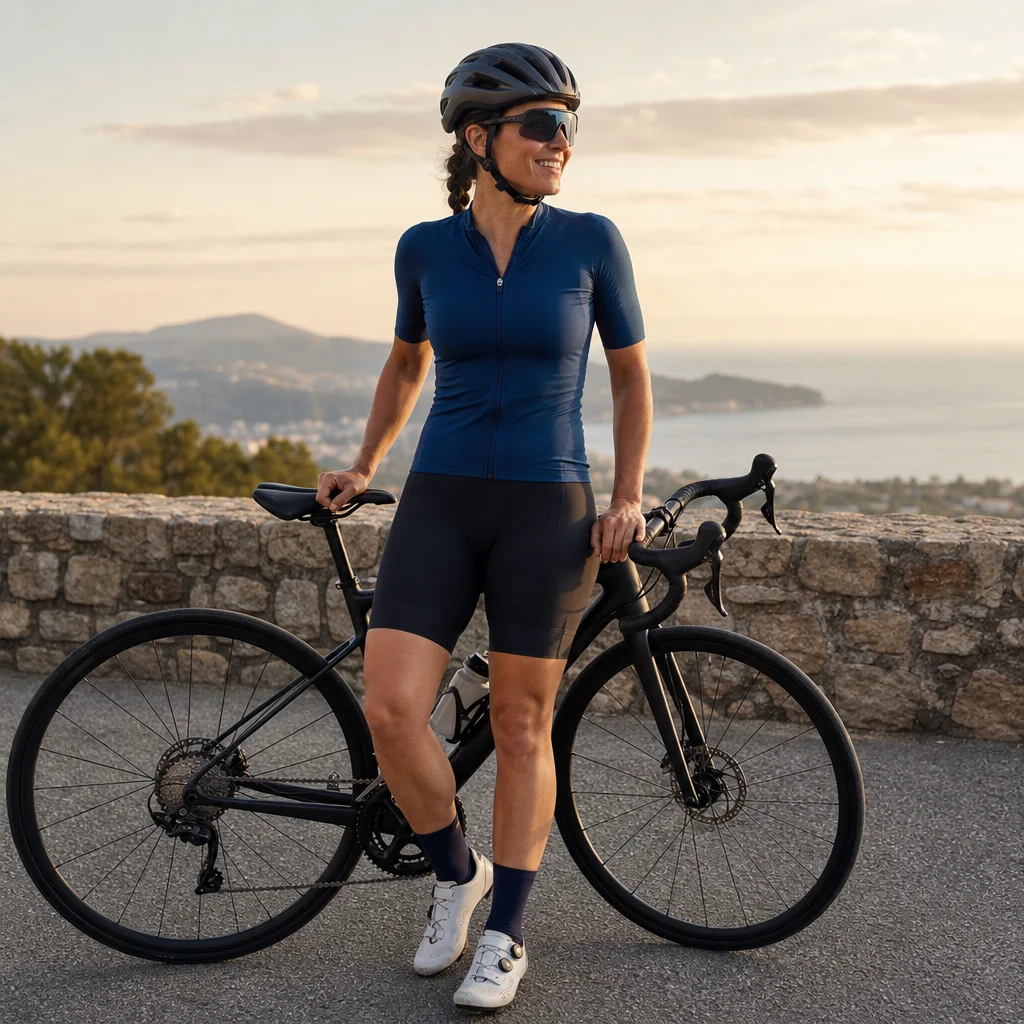
Cold feet can end an otherwise enjoyable ride long before your legs are tired. The choice between warm socks, cycling shoe covers, or both sounds simple, but each option solves a different problem. Socks add insulation inside the shoe; covers reduce wind, rain, and heat loss from the outside.
For most recreational road cyclists, the best choice depends on four things: how cold and wet the ride will be, how much room your shoes have, how hard you’ll be working, and whether you want one setup that handles changing conditions.
What warm socks do well
Warm socks are the simplest way to add insulation. They’re easy to put on, work with almost any cycling shoe, and can remain useful when the temperature rises during a long ride. A quality wool or synthetic-blend sock can also manage perspiration better than a thick cotton sock.
Advantages of warm socks
- They’re inexpensive compared with specialized shoe covers.
- They can be used for walking, commuting, indoor riding, and other activities.
- They don’t require a particular shoe-cover design or closure system.
- They’re easy to change if they become damp.
- They provide insulation without adding another layer over the shoe.
Socks are especially useful when your shoes have enough internal space. A slightly thicker sock can improve warmth without creating pressure points, but only if your toes can still move and your foot isn’t compressed.
The main mistake: choosing socks that are too thick
A bulky sock doesn’t automatically make a foot warmer. If it fills the shoe tightly, it can restrict circulation around the toes and the top of the foot. That can leave you colder than you were in a thinner sock.
Your cycling shoe should still close normally, with no painful pressure across the forefoot. If you have to loosen the shoe substantially or force the heel into place, the sock is probably too thick for that shoe.
Wool is popular because it retains some insulating ability when damp and tends to resist odor. Synthetic blends can dry quickly and may be more durable. Cotton is usually a poor choice for cold, wet rides because it holds moisture close to the skin and loses much of its insulating value when wet.
What shoe covers do well
Shoe covers, also called overshoes, fit over the cycling shoe. Depending on the design, they can block wind, rain, road spray, and some heat loss through the shoe’s vents and seams.
They’re often the more effective first upgrade for road cyclists whose feet feel cold in otherwise suitable socks. Wind moving over a ventilated cycling shoe can remove heat quickly, especially on descents or exposed roads. A cover reduces that airflow without requiring a thicker layer inside the shoe.
Advantages of shoe covers
- They block wind across the shoe’s upper and toe area.
- Many models provide useful protection from light rain and road spray.
- They can make ventilated summer shoes more practical in cooler weather.
- They add warmth without taking up space inside the shoe.
- They can be removed if conditions improve, depending on the design.
Shoe covers vary considerably. Thin lycra covers may reduce airflow and keep road grime off your shoes but offer limited insulation. Neoprene covers generally provide more warmth and water resistance, though they can be warmer and less breathable. Waterproof or insulated models may protect well in poor weather but can feel excessive during hard efforts or milder rides.
Socks versus covers: which solves your problem?
The most useful way to choose is to identify where the cold is coming from.
If your feet are cold but dry
Start by checking your shoes and socks. A wool or synthetic-blend sock may be enough if the shoe fits comfortably and the ride is cool rather than wet. If cold air is passing through mesh panels or vents, shoe covers may provide more benefit than adding sock thickness.
If wind is the main problem
Choose shoe covers, particularly a wind-resistant model with coverage over the toe and upper. Wind protection is often more important than adding insulation inside a shoe that already fits closely.
If rain and road spray are expected
Covers are usually the more useful layer because socks alone don’t stop water entering through the shoe’s upper, cleat openings, or seams. Look for a design that matches the conditions rather than assuming every cover is fully waterproof.
Water can still enter from the ankle opening, run down your leg, or come through the sole. Some riders use a snug leg layer over the top of the cover’s cuff to reduce this path, but the exact method depends on the clothing and cover design.
If your feet sweat easily
Avoid automatically combining the thickest socks with the warmest covers. Excess heat and moisture can make your feet feel cold later, especially when the ride includes slower sections or stops.
A thinner moisture-managing sock with a wind-resistant cover may work better than a heavy sock alone. On a demanding ride, a less insulated setup can also be more comfortable because it gives sweat somewhere to go.
When wearing both makes sense
Warm socks and shoe covers complement each other when the conditions are genuinely cold, windy, or wet and your shoes have enough room for the sock without pressure.
This combination can be effective because each layer has a separate job:
- The sock provides insulation and manages moisture next to your skin.
- The cover reduces wind and limits water reaching the shoe.
- The shoe remains a stable platform for pedaling and cleat engagement.
The combination is less useful when the fit is already tight or when the ride is cool but relatively dry. In that situation, both layers can trap sweat and create pressure, with little improvement in comfort.
A good test is to put on the complete setup before the ride. Walk briefly, close the shoe as you normally would, and check whether your toes can move. Pay attention to pressure at the top of the foot, around the little toes, and near the ankle. Problems that seem minor indoors can become much more noticeable after hours of pedaling.
Fit and compatibility details that matter
Shoe covers need to fit the shoe, not just the foot. Check the manufacturer’s sizing guidance and account for the shape of your cycling shoe. A cover that is too small may stretch across the sole, pull at the zipper, or wear quickly around the cleat opening.
The cleat and sole openings should remain clear. A cover that folds under the shoe or interferes with the cleat can make clipping in and out awkward. It can also catch on the pedal or wear against the road if you put a foot down.
Some covers are designed for road shoes with relatively smooth soles. They may not fit well over mountain-bike-style shoes, touring shoes, or casual cycling shoes with larger tread blocks. If you use more than one pair of shoes, a removable cover may be versatile, but confirm compatibility before buying.
Check your complete cold-weather setup: Before leaving, confirm that your covers fit around the shoe and cleat, your closures work normally, and the forecast and road conditions match the cover’s intended level of wind and water protection.
Shoe covers can also make roadside repairs less convenient. A flat tire or dropped chain may require more handling around the shoe and drivetrain. That isn’t a reason to avoid them, but it’s worth practicing removal and reinstallation at home.
Common mistakes to avoid
Treating all shoe covers as winter covers
A lightweight fabric cover may be excellent for reducing wind on a cool morning but insufficient for prolonged cold or wet conditions. Read the product’s intended use and examine the construction around the toe, zipper, seams, and sole opening.
Wearing cotton socks under waterproof covers
A waterproof outer layer doesn’t solve moisture buildup inside the shoe. If your feet sweat, cotton can stay damp against your skin. Use a sock that moves moisture away from the foot and avoid making the interior unnecessarily crowded.
Ignoring the underside of the shoe
Cold air isn’t the only route for discomfort. Water and spray can enter through cleat openings or sole vents, while a thin shoe sole can transmit cold from the pedal and road-facing side. Covers help with some of this exposure, but they don’t replace a suitable shoe or guarantee complete insulation.
Waiting until your feet are already cold
Adding layers after your feet become numb or uncomfortable may not restore warmth quickly. Put on the intended setup before the ride and consider how the temperature, wind, pace, and stops will change over time.
Assuming warmer is always better
Overheating your feet can create sweat, and dampness can become a comfort problem later. The right setup is the lightest combination that keeps your feet warm and reasonably dry for the conditions.
A simple decision guide
Choose warm socks alone when:
- The ride is cool, mostly dry, and not especially windy.
- Your shoes have room for a slightly warmer sock.
- You want an inexpensive, versatile option.
- Your feet don’t usually get cold from airflow through the shoe.
Choose shoe covers alone when:
- Wind is the main source of discomfort.
- Your shoes fit well with normal-weight socks but not thicker ones.
- You need protection from light spray or damp roads.
- You tend to generate plenty of heat while riding.
Choose both when:
- The ride is cold, windy, or wet.
- Your shoes have enough room for the complete setup.
- You can keep moisture under control.
- You’ll be riding for long periods or spending time in exposed conditions.
If you’re unsure, begin with a comfortable moisture-managing sock and add wind protection before increasing sock thickness. That approach preserves shoe fit and addresses one of the most common causes of cold feet: airflow through the shoe.
Practical next steps
Start by examining your current shoes. Note where they vent, whether your toes have room with your usual socks, and whether cold arrives mainly through wind, dampness, or limited insulation. Then choose the smallest change that addresses that problem.
For many riders, a reliable progression is a wool or synthetic-blend sock first, a wind-resistant cover next, and a warmer combined setup only when conditions demand it. Keep fit, moisture, and cleat compatibility in view, and you’ll be more likely to finish cold-weather rides with comfortable feet rather than a bag full of unused layers.