How to Protect Your Eyes From Wind, Dust, and Insects on Road Rides
I’ll help you compare coverage, ventilation, tint, and fit so you can protect your eyes without buying more eyewear than you need. Avoid the common mistake of choosing dark lenses first and discovering they fog, slip, or leave your eyes exposed on the road.
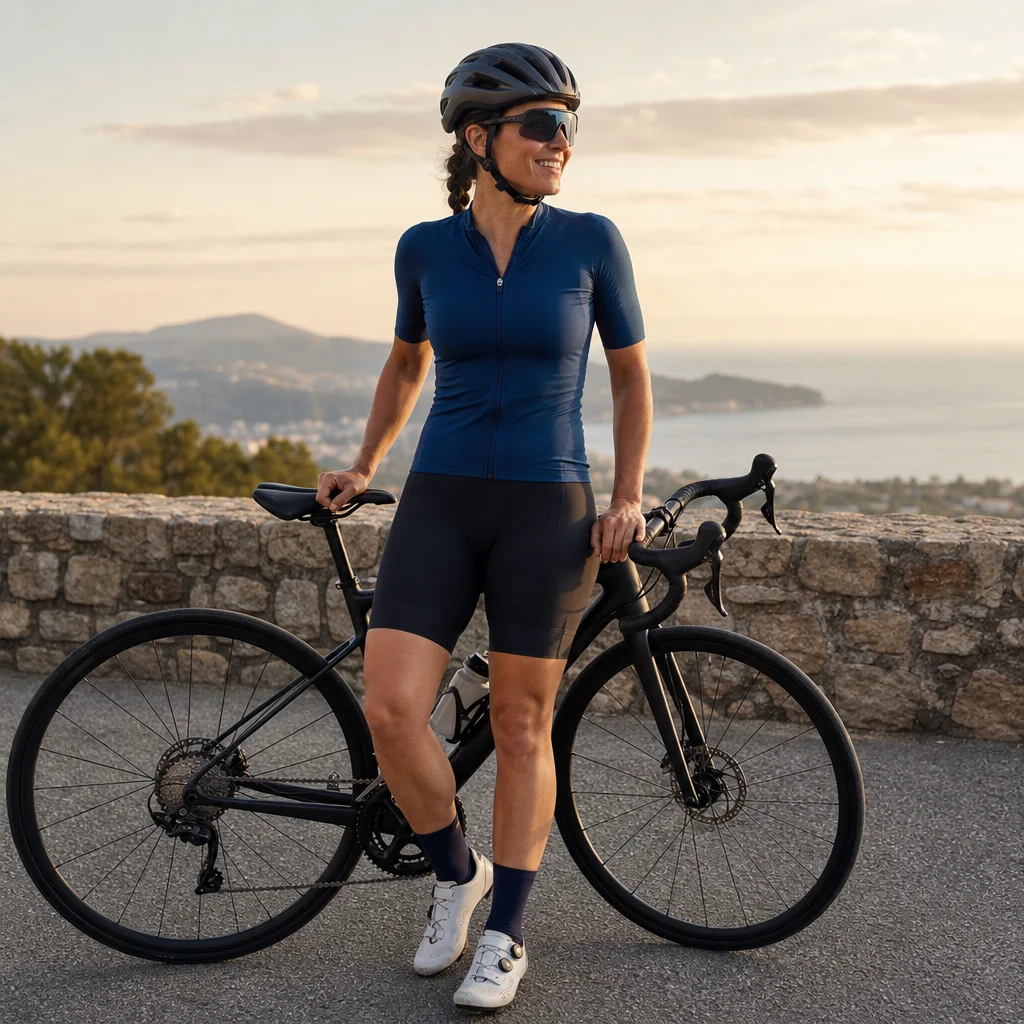
Road cycling exposes your eyes to more than bright sunlight. Moving air can dry them out, dust can arrive in a passing vehicle’s wake, and a small insect can turn an ordinary descent into an urgent stop. The right eyewear reduces those problems without requiring a drawer full of specialized glasses.
For most riders, the best choice comes from balancing four features: coverage, ventilation, tint, and fit. Your riding conditions matter more than the price tag or the most dramatic-looking lens on the shelf.
Start with coverage, not darkness
Coverage is the amount of protection a lens and frame provide around your eyes. A larger lens or lightly wrapped frame blocks more wind and debris than small, flat sunglasses. It also reduces the gaps through which insects and dust can enter.
Look for lenses that cover your field of vision without touching your cheeks or eyelashes. The frame should sit close enough to limit airflow, but not so close that warm air from your face has nowhere to escape. Excessive coverage without enough ventilation often creates fogging.
A full-wrap style can be useful for fast descents, exposed roads, and routes with frequent wind. It isn't automatically better for every rider. Very large frames can interfere with some helmets, press against the sides of your head, or feel hot during slow climbs.
Small sunglasses may be comfortable and inexpensive, but they leave more of your eyes exposed. They can still work for casual riding in calm conditions, especially if they fit securely. For regular road riding, moderate coverage is usually a sensible middle ground.
Choose ventilation that matches your pace
Ventilation allows air to move through or around the eyewear, helping moisture and heat escape. It is especially valuable when you climb slowly, ride in humid weather, or sweat heavily.
Look for small vents near the top, sides, or edges of the lens. These can reduce fogging while retaining more coverage than an open-sided frame. Ventilation is a trade-off, though: larger openings may admit more dust or insects.
If your glasses fog during a ride, the problem may not be the lens alone. A helmet’s front vents can direct air toward the glasses, and a low head position can change the airflow around the frame. Sweat, sunscreen, and fingerprints also make fogging worse.
Anti-fog coatings can help, but they aren't permanent solutions. Follow the manufacturer’s cleaning instructions, and avoid wiping a wet or gritty lens with a dry shirt. That can spread dirt across the surface and gradually create scratches.
For a rider who mainly wants one pair, prioritize a frame with moderate coverage and reliable vents. Extremely sealed eyewear may be useful in cold or dusty conditions, but it can be frustrating on warm rides.
Match tint to the actual light
Tint changes how much visible light reaches your eyes. It doesn't replace UV protection. A dark lens without appropriate ultraviolet protection can still be a poor choice, so check the product’s stated UV protection rather than judging it by appearance.
Different tints solve different problems:
- Clear lenses are useful at night, before sunrise, after sunset, or in very dim conditions. They can still block wind and insects when dark lenses would make the road harder to see.
- Gray lenses reduce brightness while keeping colors relatively natural. They are a straightforward choice for bright, open roads.
- Brown, amber, or rose lenses can increase contrast in variable light, shade, or overcast conditions. Some riders find them helpful for spotting changes in pavement, although color perception is more personal.
- Photochromic lenses darken in brighter light and lighten in darker conditions. They can reduce the need for multiple pairs, but they may not become as dark as dedicated sunglasses in strong sun, and they may respond differently behind a car windshield than in open air.
- Polarized lenses can reduce glare from some surfaces, such as wet pavement or car hoods. They may also make certain screens or instrument displays harder to read, depending on the screen and viewing angle.
Tint is a common place to overspend. If you usually ride in similar conditions, one suitable lens may be enough. A clear or low-light lens is often a better second purchase than a highly specialized color if you regularly start rides in darkness or finish after sunset.
Check the light your rides actually see: Before buying a second lens, note when you ride, how much shade your route has, and whether you need to see a bike computer or phone. Choose the least expensive option that covers a real lighting problem rather than an occasional one.
Get a stable, comfortable fit
Good fit protects your eyes only if you keep the glasses on. Frames that slide down, pinch behind your ears, or bounce over rough pavement will encourage you to adjust them while riding or leave them in a jersey pocket.
Check these points when trying eyewear:
- The bridge should rest securely without creating a painful pressure point.
- The temples should stay in place without squeezing your head.
- Your eyelashes shouldn't brush the lenses when you blink.
- The bottom edge shouldn't press into your cheeks when you smile or lower your head.
- The frame should remain stable when you turn your head from side to side.
- Your helmet straps shouldn't push the glasses out of position.
Adjustable nose pads and temple tips can improve fit, but they aren't magic. If the frame is fundamentally too wide or narrow, small adjustments may not solve the problem. Try eyewear with your helmet before you commit, particularly if you use a large or deeply vented road helmet.
A secure fit also helps with insects. A bug that enters through a side gap can be more disruptive than one that strikes the front of a lens. Wraparound coverage and close-fitting temples reduce those openings, but avoid sealing the frame so tightly that it fogs constantly.
Keep protection affordable
You don't need premium glasses to get useful eye protection. A reasonably priced pair can work well if it has appropriate UV protection, adequate coverage, lenses you can see through clearly, and a stable fit.
Spend more when a specific feature solves a recurring problem. Examples include interchangeable lenses for riders who frequently move between bright and low light, better ventilation for persistent fogging, or a more durable lens for frequent off-season use.
Be cautious about paying primarily for appearance, branding, or a very dark tint. Those features may be enjoyable, but they don't necessarily improve wind and debris protection.
Interchangeable-lens systems can be cost-effective if replacement lenses are available and reasonably priced. They can be less economical if the frame is expensive, the lens changes are awkward, or you rarely ride in conditions that require a different tint. A second basic pair may be simpler.
A protective case and a clean microfiber cloth are also worthwhile. Storing glasses loose in a pocket with keys, tools, or grit can damage them faster than regular riding does.
Reduce irritation during and after rides
Even well-fitting glasses can't compensate for poor cleaning habits. Rinse dusty lenses with clean water when possible, then use a lens-safe cleaner and a clean microfiber cloth. Don't use household glass cleaner unless the manufacturer specifically says it is compatible with the lens coating.
If you ride near the coast, salt residue deserves prompt attention. Rinse it away rather than rubbing it into the lens. Sweat on nose pads and temple tips can also affect grip, so wash those areas according to the manufacturer’s care guidance and let them dry fully.
Contact lens wearers may notice more dryness in wind. Glasses with better coverage can help, but persistent discomfort, redness, or changes in vision are reasons to stop riding and seek professional eye care. Don't continue a ride while trying to ignore a foreign object in your eye.
If an insect or piece of grit enters your eye, pull over safely and avoid rubbing. Rinse with clean water or sterile eyewash if available. Seek medical attention for ongoing pain, light sensitivity, blurred vision, or a sensation that something remains in the eye.
A simple setup for most riders
For beginner and intermediate road cyclists, a practical setup often looks like this:
- One pair with moderate wraparound coverage and secure fit.
- A lens suited to the brightest conditions you regularly ride in.
- Clear or photochromic coverage if you often ride through changing light.
- Enough ventilation to limit fogging during climbs.
- A case, microfiber cloth, and a simple cleaning routine.
If your routes include dry, dusty shoulders or frequent high-speed descents, lean toward more coverage. If you ride humid summer routes with long climbs, prioritize ventilation and stable fit. If your rides begin before sunrise, make sure your low-light solution lets you see the road clearly instead of relying on a dark lens.
The goal isn't to find the most technical glasses available. It is to choose eyewear that stays in place, keeps debris out, preserves useful vision, and matches the light you actually encounter. Start with those needs, and you can avoid paying for features that never leave the display case.