Do You Need Cycling-Specific Sunglasses?
I’ll help you decide whether cycling-specific sunglasses are worth buying by comparing lens coverage, fit, ventilation, glare control, and prescription options with the strengths and limitations of ordinary sunglasses for road riding.
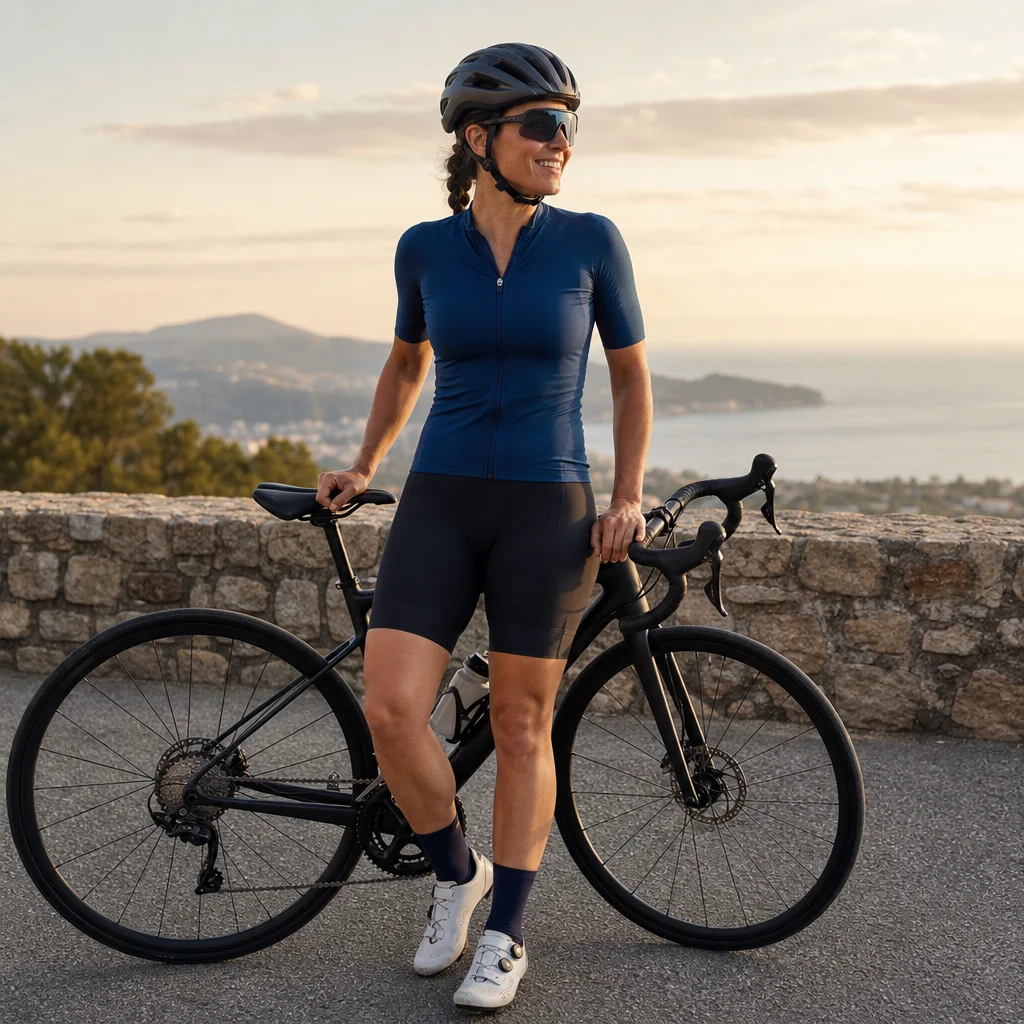
If you already own a comfortable pair of sunglasses, you may wonder whether cycling-specific glasses offer enough benefit to justify another purchase. For casual rides, ordinary sunglasses can be perfectly adequate. The difference becomes more noticeable when you ride faster, spend longer in exposed conditions, or need protection from wind, dust, insects, and changing light.
Cycling-specific sunglasses aren’t automatically better for every rider. They’re designed around the position, movement, and visual demands of riding a bike, so the right choice depends on how and where you ride.
What cycling-specific sunglasses are designed to do
Cycling sunglasses typically combine several features:
- A closer, more protective fit around the eyes
- Larger lenses or wraparound coverage
- Ventilation intended to reduce fogging
- Secure frames that resist sliding during movement
- Lens options for bright sun, low light, or changing conditions
- Compatibility with prescription inserts or direct prescription lenses
These features address common problems on the road rather than simply making the glasses look more sporty. At cycling speeds, wind can reach your eyes even on a calm day. Road dust, grit, pollen, and insects can also become distractions or irritants. A stable pair of glasses helps you keep your attention on the road.
Ordinary sunglasses may still provide useful eye protection, especially if they fit well and have appropriate UV protection. The question is whether they remain comfortable and secure during your typical rides.
When ordinary sunglasses are enough
You probably don’t need cycling-specific sunglasses if most of your rides are short, relaxed, and close to home. A regular pair may be all you need when:
- You ride at an easy pace
- You spend little time in strong wind or exposed terrain
- Your sunglasses stay in place when you look over your shoulder
- The lenses give you clear vision without distracting reflections
- The frames don’t press against your helmet or temples
- You’re satisfied with their coverage and comfort
A good everyday pair can also be a sensible starting point for a beginner. You can learn what bothers you on the bike before spending money on specialized gear.
Pay attention to whether the glasses leave large gaps at the sides or allow wind to stream directly into your eyes. That doesn’t make them unsuitable, but it may limit their comfort on longer or faster rides.
Check the protection before riding: Confirm that any sunglasses you use provide the level of UV protection stated by the manufacturer, and make sure the lenses are clear enough for the roads and light conditions where you’ll ride.
Where cycling-specific glasses have an advantage
Better coverage against wind and debris
Cycling frames often sit closer to your face and extend farther around the sides. This can reduce airflow and help block small particles from entering your eyes. The benefit is most apparent on descents, open roads, and rides behind other cyclists, where airborne grit can be more noticeable.
More coverage shouldn’t mean the frame touches your cheeks or eyelashes. A close fit is useful only if it remains comfortable and doesn’t interfere with blinking.
A more stable fit
Many cycling sunglasses use grippy nose pads and temple sections to resist movement when you sweat, turn your head, or ride over rough pavement. Some frames are shaped to work around helmet straps and leave room near the ears.
A stable fit improves more than comfort. If your glasses slide down repeatedly, you may be tempted to adjust them while riding. That creates a needless distraction, particularly in traffic or on a fast descent.
Improved ventilation
Large lenses can provide coverage while small vents allow air to move behind them. Effective ventilation can reduce fogging during climbs, cool-weather riding, or stops after exertion.
Ventilation is a design trade-off. More airflow can help with condensation but may allow more wind into your eyes. Lens shape, frame position, humidity, and your pace all affect the result, so don’t assume that every vented model will remain fog-free.
More useful lens choices
Cycling glasses may be sold with interchangeable lenses or a lens designed for a particular range of conditions. Common options include:
- Dark lenses for bright sunlight
- Lighter lenses for overcast conditions
- Clear lenses for darkness, heavy shade, or debris protection
- Photochromic lenses that change tint as light levels change
- Polarized lenses that reduce some reflected glare
These options can be useful if you ride at different times of day or move between bright roads and shaded areas. They also add cost and complexity. A single lens that works well for your normal rides may be more practical than a large collection you rarely change.
Do lens colors matter?
Lens color can affect how bright the scene appears and how much contrast you perceive, but color alone doesn’t tell you whether a lens is suitable. Look at the manufacturer’s stated light transmission or intended conditions rather than choosing based only on appearance.
Dark lenses can be comfortable in strong sun but may be inappropriate when light fades. If you regularly start rides in daylight and finish near dusk, a lens that is too dark late in the ride can make shadows and road hazards harder to read.
Photochromic lenses can reduce the need to carry multiple lenses. However, they may not become as dark inside a vehicle or behind some types of windscreen, and their transition speed varies by design and temperature. They’re convenient, not magic.
Polarized lenses can reduce reflected glare from some surfaces, such as wet pavement or vehicle windows. Some riders like the calmer view; others prefer a non-polarized lens because it can make certain displays or reflections easier to see. If you use a bike computer, phone, or other screen, check that your chosen glasses don’t make it difficult to read.
Prescription options for cyclists
If you wear prescription glasses, ordinary sunglasses may be inconvenient under a helmet or may not provide the coverage you want. Cycling-specific prescription solutions generally fall into three categories.
Prescription cycling lenses
The prescription is built directly into the curved outer lens. This can provide a clean appearance and broad coverage, but highly curved lenses may have limits depending on your prescription and the frame design. They’re usually a specialized purchase, so fit and optical quality matter.
Prescription inserts
An insert holds your prescription lenses behind a larger protective outer lens. Inserts can be less expensive or more flexible than direct prescription lenses, but they may add weight, reduce ventilation, and create another surface that can fog.
Prescription sunglasses
Regular prescription sunglasses can work well if the frame is secure and gives enough side coverage. They’re often a straightforward option for riders who don’t need a highly wrapped design.
For any prescription solution, use an eye-care professional and follow the manufacturer’s compatibility guidance. A frame that looks suitable may not support your prescription safely or comfortably.
How to choose a pair without overspending
Start with your riding conditions rather than the brand or appearance. Ask yourself:
- When do you ride? Bright midday rides may call for a darker lens, while early, late, or mixed-light rides may favor a lighter or photochromic option.
- How long are your rides? Pressure points and fogging that seem minor in a shop can become irritating after several hours.
- Do you ride in traffic or around groups? Stable coverage and a clear, unobstructed view become more valuable when you need to monitor vehicles and other riders.
- Do you need prescription support? This may narrow your choices more than lens tint or frame style.
- Can you replace the lenses? Replaceable lenses can extend the life of the frame, but they may cost more initially.
Try glasses on with your helmet if possible. Check that the frame doesn’t press against the helmet, that the temples don’t interfere with straps, and that you can look upward without the frame blocking your view. Tilt your head as you would on the bike and look over both shoulders.
Avoid choosing a pair solely because the lenses are large. Oversized lenses can offer useful coverage, but they may feel heavy, trap heat, or create more fogging if the ventilation and fit aren’t right.
Common beginner mistakes
Buying the darkest lens available
Very dark lenses can feel premium in bright sun but may reduce visibility when clouds arrive or you enter shade. Match the lens to your actual riding conditions.
Ignoring fogging
A frame can fit well and still fog during slow climbs or cool-weather starts. Look for sensible ventilation and consider whether you can remove or change the lens. Anti-fog treatments may help, but they require careful cleaning and won’t replace good airflow.
Choosing fashion over stability
A stylish pair that slides, pinches, or leaves your eyes exposed will become a poor riding accessory. Comfort and security deserve priority.
Treating sunglasses as a substitute for clear vision
Tinted lenses shouldn't make road details difficult to see. If glare, darkness, reflections, or optical distortion interfere with your view, the glasses aren’t doing their job for that ride.
A simple buying decision
Cycling-specific sunglasses are worth considering when you regularly deal with wind, debris, sweat, glare, changing light, or frames that move during rides. They’re especially useful for longer and faster road rides, where small discomforts become more persistent.
If your ordinary sunglasses fit securely, provide suitable UV protection, and keep your vision clear, you can continue using them while you build riding experience. Upgrade when you can identify a specific problem—slipping, fogging, poor coverage, glare, or prescription limitations—that a cycling design is likely to solve.
Before buying, bring your helmet, test the fit, choose a lens for your usual conditions, and make sure the glasses don’t compromise visibility. The best pair is the one you can wear comfortably for the entire ride without thinking about it.