Bib Shorts or Cycling Shorts: Which Is More Practical for You?
I’ll compare bib shorts and traditional cycling shorts by comfort, fit, bathroom breaks, price, layering, and ride length so you can choose the option that reduces distractions and supports safer, more confident riding.
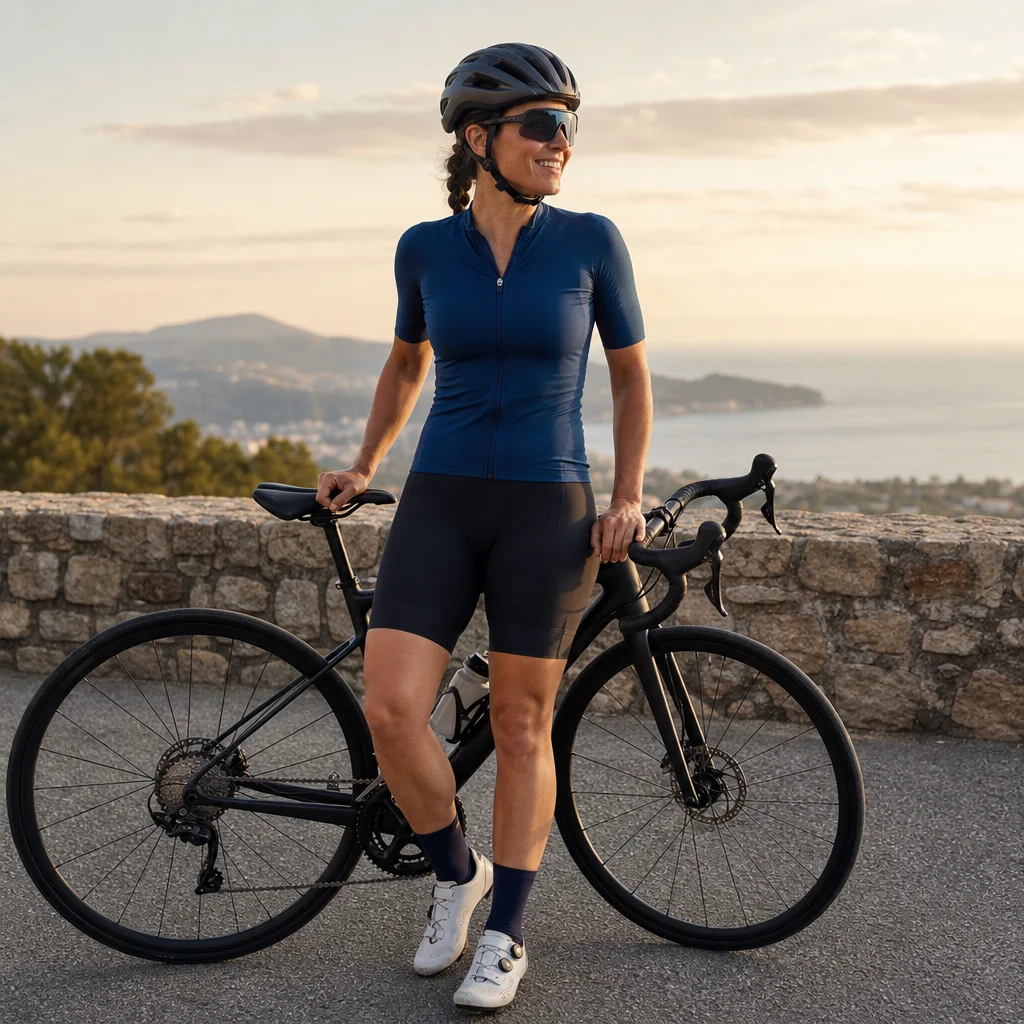
Choosing between bib shorts and traditional cycling shorts usually comes down to more than personal style. The better option is the one that stays comfortable, fits securely, and lets you focus on traffic, terrain, and your riding rather than adjusting clothing every few minutes.
Bib shorts and cycling shorts use similar materials: a close-fitting, stretchy fabric with a padded chamois. The main difference is how they stay up. Traditional cycling shorts have a waistband, while bib shorts use shoulder straps connected to the shorts.
Neither is automatically right for every rider. Your ride length, body shape, clothing layers, budget, and tolerance for bathroom logistics all matter.
The main difference: waistband versus shoulder straps
Traditional cycling shorts rely on elastic around your waist and hips. Bib shorts distribute their support through straps over your shoulders, so there’s less pressure at the waist and less chance of the shorts sliding down as you bend forward.
That difference becomes more noticeable when you’re riding in an aerodynamic position. A waistband can dig in, roll, or expose a gap at the lower back. Bib straps generally keep the shorts and chamois in place with fewer adjustments.
A secure fit is also a safety issue. Clothing that shifts can create discomfort, distraction, and the temptation to reach down and adjust it while riding. Make clothing adjustments before you start or after pulling over somewhere safe.
Bib shorts: where they work best
Advantages of bib shorts
The strongest reason to choose bib shorts is stability. When the straps fit correctly, the shorts tend to remain in position as you pedal, lean forward, climb, and move around on the saddle.
Bib shorts can also feel more comfortable around the waist. Without a tight waistband pressing into your abdomen, breathing and bending may feel less restricted. This can be especially useful if you dislike pressure across your stomach or wear a cycling jersey tucked over the shorts.
Many bib shorts provide more coverage across the lower back. That can help keep your jersey from riding up and reduce exposed skin when you’re leaning over the handlebars. More coverage may also be useful in cooler conditions, although it doesn’t replace an appropriate base layer or jacket.
For longer rides, these small benefits can add up. A stable chamois means fewer wrinkles and less friction, while less clothing movement can make it easier to maintain a comfortable position.
Drawbacks of bib shorts
Bathroom breaks are the obvious compromise. To remove bib shorts, you normally need to take off or pull down the jersey first. That’s slower and less convenient than lowering a waistband.
This matters more on commutes, group rides with frequent stops, or rides where toilets may be crowded or limited. Some bib designs include drop-seat systems or other access features, but their convenience varies by design and fit. Don’t assume a feature will work well without trying it.
Bib shorts also tend to cost more than comparable waist shorts. You’re paying for additional fabric, straps, construction, and sometimes higher-end materials. A well-fitting inexpensive pair can be more useful than an expensive pair that doesn’t suit your body.
The straps can cause problems if they’re too tight, too loose, or poorly shaped. They may press into your shoulders, rub near your neck, or sit awkwardly under a jersey. Fit is more important than the label on the garment.
Traditional cycling shorts: where they work best
Advantages of cycling shorts
Waist shorts are simple and familiar. They’re easy to put on, easy to remove, and usually less expensive than bib shorts. That makes them a sensible choice if you’re building your first cycling wardrobe or aren’t sure how often you’ll use padded clothing.
They’re particularly practical for short rides, quick errands, indoor training, and situations where bathroom access matters. If you ride for 30 to 60 minutes and prefer quick changes, the simpler design may be all you need.
Waist shorts can also work well under certain layers. They’re often easier to combine with a looser top, commuter clothing, or a jacket when you don’t want shoulder straps beneath the upper layer.
Drawbacks of cycling shorts
The waistband can move during a ride, especially if the shorts are too loose, the fabric has lost elasticity, or the cut doesn’t match your shape. Pulling the shorts up repeatedly is annoying at best and distracting at worst.
A waistband that’s too tight can create pressure and discomfort. One that’s too loose may allow the chamois to shift. Sizing down isn't a reliable fix; tight fabric can increase pressure and restrict movement without keeping the pad in the correct position.
Waist shorts may also leave more of your lower back exposed when you’re bent over. This isn’t automatically a problem, but it can be uncomfortable in cool or windy weather and may require more careful layering.
Comfort depends more on fit than on the category
A poorly fitted pair of bib shorts can be less comfortable than well-fitted waist shorts. When comparing either type, check the following:
- The chamois should sit against your body without folding or shifting.
- The leg grippers should hold the shorts in place without pinching.
- The fabric should feel supportive but not restrict your pedal stroke.
- Seams shouldn't press into areas that contact the saddle.
- The straps should lie flat and provide gentle tension rather than pulling on your shoulders.
- You should be able to take a few deep breaths and move naturally while standing and sitting.
Try the shorts in a riding position if possible. Clothing can feel fine while standing and reveal pressure points as soon as you bend over a handlebar.
Never wear underwear beneath padded cycling shorts. The extra seams and fabric can trap moisture and increase rubbing. If modesty or coverage is a concern, choose a longer jersey, a cycling liner, or an appropriate outer layer rather than adding underwear under the chamois.
Check your first ride setup: Wear the shorts for a short, familiar ride before using them on a long route. Confirm that the chamois stays flat, your legs move freely, and no strap, seam, or waistband causes numbness, rubbing, or repeated distraction. Stop and adjust clothing only when you’re safely off the road.
Which option is better for different rides?
Short recreational rides
For short rides, traditional cycling shorts are often the more practical choice. They’re quick to change into, usually cheaper, and provide the core benefits of padded cycling clothing without the extra bathroom inconvenience.
Bib shorts still make sense if you already prefer their fit or find that waistbands shift while you ride. Comfort matters even on a short route, particularly if you’re sensitive to pressure or friction.
Long rides and endurance days
Bib shorts generally have the advantage on longer rides. Their stability and reduced waist pressure can help limit distractions over several hours. They also pair well with cycling jerseys designed to sit over shoulder straps.
That doesn’t mean you need premium bib shorts to ride long distances. A properly fitted mid-range pair can be sufficient. Prioritize fit, chamois comfort, and fabric quality over branding.
Commuting and errands
Traditional shorts are usually easier when you need to change quickly or use a restroom during the day. They can also be simpler beneath casual clothing, although padded cycling garments may still be too bulky for some outfits.
For commuting, consider whether a chamois is necessary at all. A correctly adjusted saddle, suitable clothing, and a moderate ride time may make padded shorts optional. If you do use them, choose the option that fits your changing routine rather than copying what works for a weekend rider.
Group rides and events
Bib shorts can reduce the need for mid-ride adjustments, which is useful when riding with others. You may have fewer opportunities to stop, and repeatedly fixing a waistband can make you less attentive to the road.
However, bathroom convenience still matters. For an event or group ride with known facilities, the stability of bibs may be worth the trade-off. For a casual ride with frequent café stops, waist shorts may be easier.
A simple buying decision
Choose bib shorts if you value:
- A stable chamois over longer distances
- Less pressure around your waist
- More lower-back coverage
- Fewer clothing adjustments while riding
- A close-fitting cycling kit for road riding
Choose traditional cycling shorts if you value:
- Fast bathroom access
- Lower initial cost
- Easy changing for short rides or commuting
- A simpler first purchase
- Compatibility with your existing casual layers
You can also own both. Use bib shorts for longer recreational rides and waist shorts for short trips, indoor sessions, or days when quick changes matter. There’s no requirement for every item in your cycling wardrobe to serve the same purpose.
Practical next steps
Start with the ride you do most often, not the ride you hope to do someday. If your rides are short and change time matters, try a well-fitting pair of traditional cycling shorts. If you regularly spend several hours on the bike or find waistbands distracting, bib shorts are likely the more practical upgrade.
Whichever style you choose, test it gradually, wash it according to the care instructions, and replace it when the fabric, grippers, or chamois no longer provide reliable support. Comfortable clothing won’t fix an unsuitable saddle or poor bike fit, but it can remove one avoidable source of distraction from your ride.