How to Choose a Bike Lock for Short Road-Cycling Stops
A lightweight cable is easy to carry, while a compact folding or U-lock offers more resistance; I’ll help you match the lock, carrying method, and stop length to the places you actually visit.
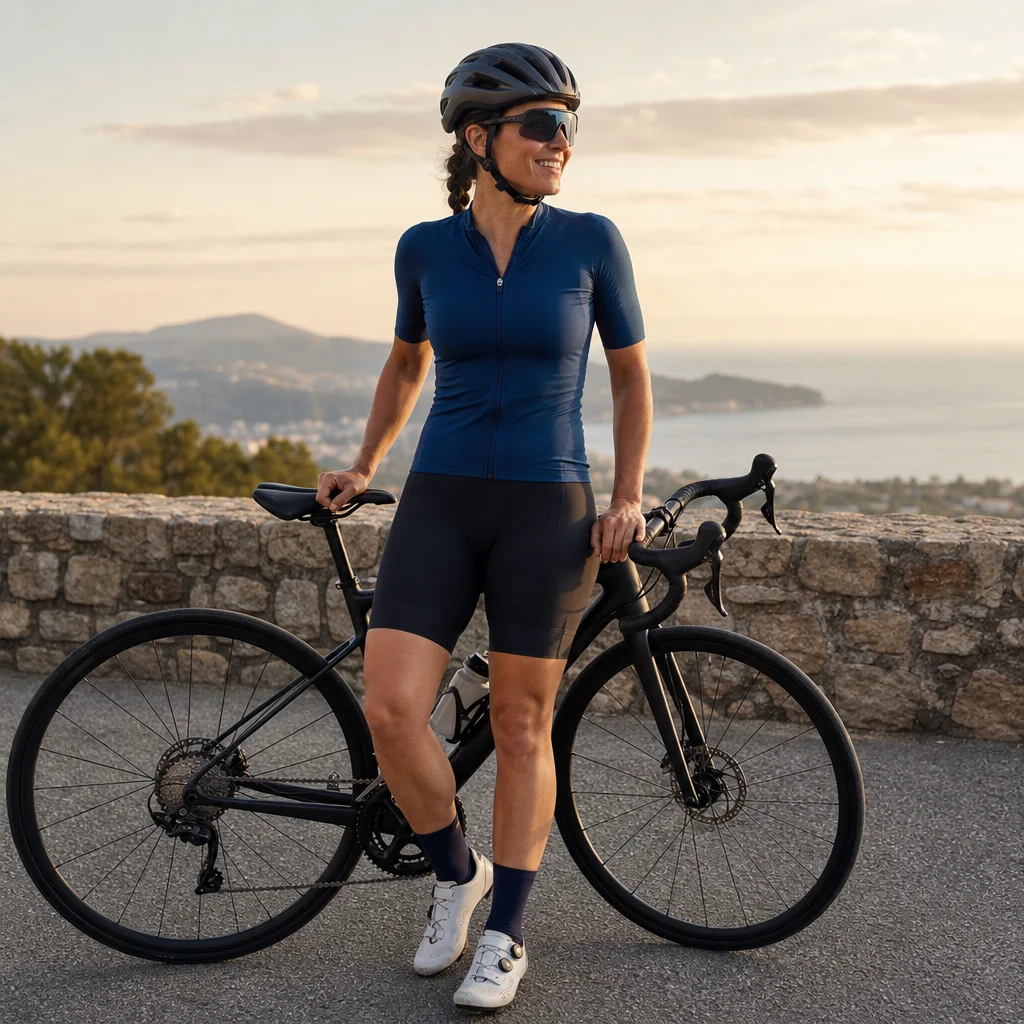
A quick coffee stop can make a full-size hardened chain feel excessive, but a thin cable may offer little protection if your bike is left out of sight. The right choice depends less on the word “short” than on where you’ll park, what you’re securing, and how much inconvenience you’ll accept to reduce theft risk.
Start with the stop, not the lock
Before comparing lock types, define the situation. A five-minute stop outside a busy café is different from a 30-minute meal at a quiet destination, even if both are “short” rides with a planned break.
Consider these factors:
- Visibility: Can you see the bike from inside, or will it be around a corner?
- Foot traffic: Are other people regularly passing the parking spot?
- Location: Is it a busy commercial area, a trailhead, a transport hub, or a quiet residential street?
- Bike value: Would replacing the bicycle be financially painful, or is it an inexpensive utility bike?
- Parking quality: Is there a solid, immovable object designed or suitable for locking?
- Weather and timing: Will daylight, evening, or poor weather reduce the number of people nearby?
A lock should make the intended stop reasonably safe, not create a false sense of security. If the bike will be unattended for a long period, left overnight, or parked in a location known for theft, a lightweight short-stop lock may be the wrong tool altogether.
Compare the main lock types
Cable locks: lightest and easiest to carry
Cable locks are flexible, quick to thread through a frame and wheel, and often compact enough to fit in a jersey pocket or small saddle bag. They work well as a deterrent in highly visible places where you’ll remain nearby.
Their main weakness is resistance to cutting. Many cable locks use relatively thin steel that can be defeated more easily than a hardened shackle or chain. A cable can also be vulnerable when it is looped around a large object, because thieves may have more room to work.
Choose a cable when portability and convenience are your top priorities, and the stop is brief, public, and within your view. Treat it as a low-security option rather than a general-purpose answer.
Compact U-locks: strong security in a fixed shape
A U-lock, also called a D-lock, uses a rigid shackle and locking body. A quality model generally offers a stronger security-to-weight ratio than a similar-size cable. Its rigid shape can also make some cutting and leverage attacks more difficult.
The trade-off is limited reach. A small U-lock may secure the frame to a narrow parking stand but leave no room to include both wheels. A larger model gives you more options but adds weight and can be awkward to carry on a road bike.
For many recreational riders, a compact U-lock is the sensible middle ground for destination stops. Look for a size that lets you secure the frame to an appropriate fixed object without leaving a large amount of empty space inside the shackle. Excess space can make some attacks easier and may let the bike move around more than necessary.
Folding locks: flexible coverage with moderate weight
Folding locks use several linked metal plates that fold into a compact bundle. They usually offer more reach than a small U-lock and can be easier to fit around a frame, wheel, and parking stand.
They are often convenient for riders who want a lock that packs neatly but don’t want a rigid U-lock. However, hinges and joints add complexity, and security varies substantially between models. A folding lock isn't automatically stronger because it looks substantial.
Choose one when you need flexible mounting options and are willing to carry more than a cable. Check the folded dimensions before buying; a lock that fits a commuter’s frame bag may not fit comfortably in your preferred road-cycling storage.
Chain locks: adaptable but usually heavier
A hardened chain can wrap around larger objects and accommodate different parking situations. It’s useful when you need reach or want to secure more than one bicycle. Its drawbacks are weight, bulk, and the possibility of scratching the frame if the chain isn't covered.
For short recreational stops, a chain is usually most suitable when your route already includes higher-risk parking or when you’re locking multiple bikes. A short, lightweight chain may be a useful compromise, but don’t assume every chain sold for bicycles has the same resistance to attack.
Match the lock to a realistic stop
A simple decision framework can keep you from carrying either too much or too little.
Brief stop with the bike in sight
For a quick restroom, water, or coffee stop where the bike remains visible and people are nearby, a cable lock may be adequate as a basic deterrent. Lock the frame and at least one wheel to a solid object when possible, and keep the stop genuinely brief.
If you’re riding an expensive bike or the area has a known theft problem, step up to a compact U-lock. The small increase in weight may be worthwhile compared with the cost and disruption of losing the bicycle.
Meal or longer destination stop
For a meal, shopping trip, or stop where the bike will be unattended for 20 to 60 minutes, favor a U-lock, folding lock, or hardened chain over a thin cable. Choose the lock based on the parking location rather than simply the elapsed time.
A busy restaurant frontage is generally a more sensible location than an isolated rack, but visibility doesn’t replace a proper lock. Park where the bike is easy to observe, avoid blocking entrances, and don’t leave accessories that can be removed quickly.
Multiple bikes or awkward parking
If you regularly ride with a partner, a longer folding lock or chain may save time by securing both frames to one suitable object. Check that the lock can pass through the frames and wheels without leaving excessive slack.
You can also carry two smaller locks, but that approach adds weight and requires you to use both consistently. A second lock is most useful when it solves a specific problem, such as securing both wheels or protecting a high-value bike in a less controlled location.
Check the lock’s current security claims: Ratings, certification programs, warranty terms, and insurance requirements can vary by country and change over time. Before buying, review the manufacturer’s current specifications and check whether a local insurer, cycling organization, or retailer relies on a particular standard such as Sold Secure or ART.
Look for these features before buying
A hardened shackle, chain, or plates
Security starts with the material and construction, not the lock’s color or advertised weight. Look for clear information about hardened steel and the physical dimensions of the securing element. Be cautious when a product gives impressive marketing language but little detail about construction.
A reliable locking mechanism
The key or combination mechanism should operate smoothly and resist dirt and weather. Keyed locks avoid the need to remember a combination, while combination locks remove the possibility of losing a key. Neither system is automatically more secure; choose the one you’ll use correctly.
For regular riding, a dust cover can help protect the keyway. Don’t force a gritty or frozen mechanism, since a damaged lock isn't useful security and can leave you stranded with the bike locked in place.
A carrying method that won’t interfere with riding
A lock only helps if you carry it every time. Common options include:
- A frame mount designed for the lock’s shape
- A small saddle bag for a compact cable or folding lock
- A jersey pocket for a very light cable, provided it doesn’t bounce or affect comfort
- A handlebar or top-tube bag, if the lock won’t interfere with steering or your controls
- A backpack or pannier for a heavier chain or larger lock
Avoid placing a rigid lock where it can swing into your legs, rub brake hoses, damage the frame, or fall into the wheel. Test the carrying setup on a short ride before relying on it for a longer outing.
Use the lock correctly at the stop
Even a strong lock can be used poorly. Secure the frame to a fixed, immovable object rather than locking only a wheel. If possible, include the rear wheel and frame, since the rear wheel is often the more valuable component.
Keep the lock off the ground and position the keyway or combination mechanism where it is harder to access. Minimize empty space inside a U-lock or chain loop, but don’t force the bike into an unstable position. The bike should remain upright and the locking point shouldn't obstruct pedestrians.
Remove lights, computers, bags, and easily detached accessories if you’re leaving the bike. A lock protects what it reaches; it doesn’t secure every item attached to the bicycle.
Common mistakes to avoid
- Choosing by weight alone: The lightest lock may not provide enough resistance for your usual stops.
- Relying on a cable as primary security: Thin cables are convenient but should be treated as low security.
- Buying a lock that doesn’t fit your parking objects: Measure the reach you need before choosing a rigid model.
- Locking only the front wheel: A wheel can often be removed from the frame.
- Leaving the bike out of sight because the stop is short: Time matters, but location and opportunity matter too.
- Ignoring the carrying system: A lock that is uncomfortable to transport is likely to be left at home.
- Assuming a certification applies everywhere: Verify what a rating means in your region and whether it meets any current insurance requirement.
A practical choice for most recreational riders
If your stops are brief, public, and usually within sight, a compact cable may meet your convenience needs. If you want one lock for ordinary café stops, meals, and errands, a compact U-lock is often the more balanced choice. Pick a folding lock when you need extra reach and easy packing, or a hardened chain when flexibility and multi-bike coverage matter more than low weight.
Before your next ride, identify your usual stopping places, inspect the available parking objects, and measure how much lock reach you actually need. Then choose the lightest lock that provides appropriate resistance for those conditions—and make carrying it part of your normal bike setup.