How to Choose a Road-Cycling Backpack Without a Sweaty Back
I’ll compare small backpacks, hydration packs, panniers, and bike-mounted storage so you can carry what you need without trapping heat against your back. You’ll also see which setup makes the most sense for commuting, errands, and recreational rides.
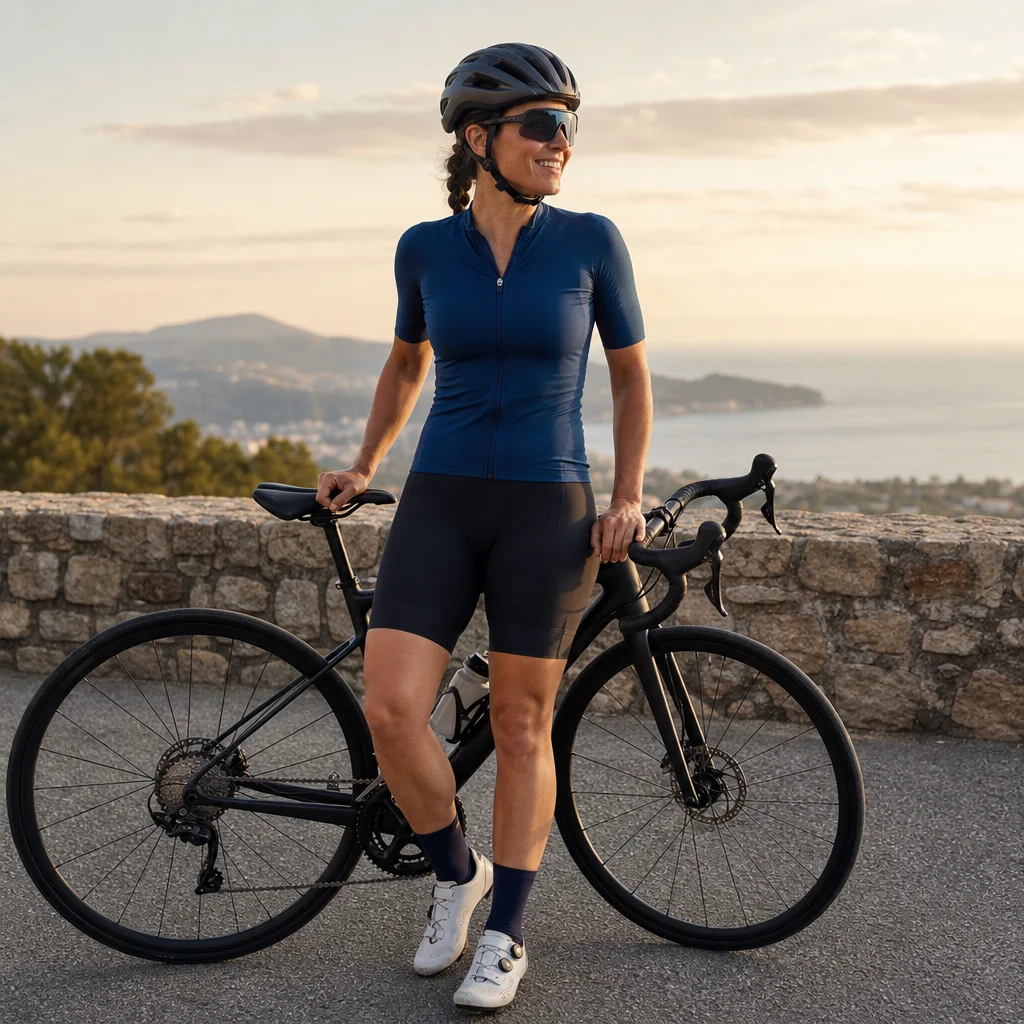
Your jersey pockets may handle a phone, keys, and a snack, but they stop being enough once you add a change of clothes, lunch, tools, or a lock. A backpack seems like the obvious next step—until your back feels damp within the first few miles.
The right solution depends less on the bag’s advertised capacity than on how it carries weight and allows air to move. For many riders, the best choice isn't a single “cycling backpack,” but a setup that keeps heavier or bulkier items off your body whenever practical.
Start with the load you actually carry
Before comparing bags, list what you take on a typical ride. Separate essentials from items that are merely convenient.
A recreational ride might need only:
- A phone and wallet
- Keys
- A spare tube or tubeless repair supplies
- Tire levers and a pump or inflator
- Water and a small snack
- A light layer if the weather may change
A commute may add work clothes, shoes, lunch, toiletries, a laptop, or a lock. That extra volume changes the decision considerably. A small backpack can be comfortable with a light load but unpleasant when packed tightly with dense objects.
Weight matters as much as capacity. A liter of water, a laptop, or a metal lock can make a compact bag feel much heavier than its dimensions suggest. Try to estimate the complete carried weight, not just the empty bag’s size.
Small cycling backpacks: compact but still body-worn
A small backpack is the simplest option when you want to keep your bike unchanged and carry a modest amount of gear. Look for a close-fitting shape, a ventilated back panel, adjustable shoulder straps, and a sternum strap that keeps the bag from shifting.
The main advantage is flexibility. You can use the same bag when walking, taking public transportation, or making stops away from your bike. It also keeps your belongings with you when you park.
The drawback is unavoidable contact with your back. Mesh panels and channels can reduce pressure and improve airflow, but they can’t eliminate heat where the pack touches your clothing. A narrow pack that sits high and carries only a few items will usually feel better than a larger pack compressed against your entire back.
For a backpack, prioritize:
- A capacity that matches your normal load rather than your maximum imagined load
- A frame or structure that prevents the contents from pressing into your back
- A stable fit that doesn’t require excessively tight shoulder straps
- Separate storage for tools and valuables
- Reflective details or a place to add a light
A waist belt can improve stability, especially on rough roads, but it may add warmth around your torso. Use one when it helps the bag stay still; don’t assume every extra strap improves comfort.
Hydration packs: useful for water, less useful for bulky cargo
Hydration packs are designed to carry water close to your body, often with a narrow profile and a hose that lets you drink without reaching for a bottle. They can work well for longer recreational rides, hot-weather outings, or routes where stopping for water is inconvenient.
Their compact shape may feel less bulky than a conventional daypack. However, a hydration pack still covers your back, and the water reservoir adds weight that moves with you. If the pack is tightly fitted, you may get a stable ride but limited ventilation.
Choose this approach when hydration is the main problem and you’re carrying little else. It’s less suitable when you need work clothes, a laptop, or a large lock. A hydration pack can also make cleaning more involved because the reservoir and hose need to be emptied and dried properly after use.
If you like the format, a model with a small cargo compartment and a suspended or ventilated back panel offers more versatility. Keep the reservoir only as full as your route requires; carrying unnecessary water adds weight without improving comfort.
Panniers: the best way to get weight off your back
Panniers attach to a rear rack and place the load on the bicycle rather than your shoulders. For commuting and errands, they’re often the most effective solution to a sweaty back because your torso is no longer covered by a pack.
A single pannier can be enough for a change of clothes, lunch, or a small collection of work items. Two panniers distribute larger loads more evenly and give you room to keep wet, dirty, or fragile items separate.
Panniers have trade-offs. You need a compatible rack, and the bags add width to the bike. They can also be inconvenient if you regularly carry the bag into an office or shop, although many commuter panniers include shoulder straps or removable attachments.
A pannier is a strong choice when:
- You commute regularly
- Your load is too bulky for jersey pockets
- You want to avoid back heat
- You carry dense items such as a lock or laptop
- You can leave a rack installed on the bike
Use a rack and pannier system designed for the bicycle and load you intend to carry. Keep the heaviest items low and positioned close to the rack. A poorly secured or overloaded bag can sway, rub against the wheel, or affect handling.
Check your bike-side clearance: Before riding in traffic, confirm that the rack, pannier, straps, and any loose clothing stay clear of the tires, spokes, brakes, drivetrain, and heel path. Recheck the attachment after your first short test ride.
Bike-mounted storage: minimal sweat, limited capacity
Bike-mounted storage includes saddle bags, frame bags, top-tube bags, handlebar bags, and larger cargo options. These solutions keep weight off your back and can be excellent for recreational rides where you need tools, food, and a layer but not a full change of clothes.
A saddle bag is well suited to repair supplies and small essentials. A frame bag can hold more while keeping the weight centered, though its shape must fit your frame and leave room for your legs and water bottles. A top-tube bag gives quick access to snacks or a phone, but it may not have enough space for bulky items.
Handlebar bags can carry more volume, but they may affect steering if heavily loaded or mounted loosely. Keep the load secure, especially on uneven pavement. The farther weight sits from the bike’s center, the more noticeable its effect can be.
Bike storage is usually the coolest option for your back because it leaves your torso uncovered. Its limitations are capacity, weather protection, and security. A bag attached to the bicycle may be less convenient to access when you leave the bike unattended, and not every design is suitable for valuable electronics.
How the approaches compare
| Option | Best for | Back ventilation | Main limitation |
|---|---|---|---|
| Small backpack | Light everyday loads | Fair to limited | Still covers your back |
| Hydration pack | Water-focused recreational rides | Fair to limited | Not ideal for bulky items |
| Single pannier | Commuting and errands | Excellent | Requires a rack and adds width |
| Two panniers | Larger commuting loads | Excellent | More weight and bulk |
| Saddle or frame bag | Tools, food, and light layers | Excellent | Limited capacity |
| Handlebar bag | Larger recreational loads | Excellent | Can affect steering when overloaded |
These categories can also be combined. For example, a frame bag can carry tools and snacks while a small backpack holds clothing. A pannier can handle the commute, while a saddle bag stays on the bike for roadside repairs.
Features that reduce heat when you do choose a backpack
No backpack can make a covered back as cool as an uncovered one, but design and packing choices make a noticeable difference.
Choose ventilation without sacrificing stability
Look for a back panel that creates air channels rather than a thick, flat cushion. Some designs use raised mesh or a tensioned structure to hold fabric slightly away from your body. These can improve airflow, but test the fit with weight inside; a highly curved panel may reduce usable space.
A pack that shifts forces you to tighten the straps, increasing pressure and heat. Adjust the shoulder straps so the bag sits securely without pulling your shoulders forward. Keep the load close to your body and avoid leaving empty space that lets objects move.
Pack dense items low and close
Put tools, chargers, and locks near the bottom of the main compartment and close to the back panel, with softer items around them. This reduces bouncing and keeps the bag’s center of gravity manageable.
Avoid carrying a hard, sharp-edged object directly against your spine. A compact tool roll or protective sleeve can make the load more comfortable and reduce the chance of damage to other items.
Don’t overfill the bag
A larger backpack often creates a larger heat shield. If you regularly use only a third of its capacity, a smaller model may be more comfortable and easier to stabilize. Compression straps can reduce bulk, but they don’t turn an oversized bag into a well-fitting one.
Choosing by riding situation
For a short recreational ride, use a saddle bag or frame bag for repair supplies, identification, and a snack. Add a small hydration pack only when you need extra water and don’t want bottles on the bike.
For a commute with light clothing and lunch, compare a small backpack with a single pannier. If you arrive sweaty or carry a laptop and lock, the pannier is usually the better long-term choice.
For a commute with substantial clothing or equipment, use two panniers or one large pannier with careful loading. Keep the bike stable and make sure the bags don’t interfere with your feet or moving parts.
For mixed rides that include errands, a pannier with a removable shoulder strap can provide bike comfort and off-bike convenience without making your back carry the entire load.
Practical next steps
- Weigh and measure your normal load, including water and the lock.
- Decide whether the load belongs on your body or on the bicycle.
- Choose bike-mounted storage first if avoiding back sweat is your highest priority.
- If you choose a backpack, favor a compact, stable, ventilated design over maximum capacity.
- Test the loaded setup on a short, low-traffic ride before using it for a full commute.
- Check attachment points and clearance whenever you change the load.
For light recreational rides, bike-mounted bags are usually the simplest way to keep your back cool. For commuting, a pannier often offers the best balance of ventilation, capacity, and handling. A small backpack remains useful when portability matters most—but keeping it light is the key to making it comfortable.