How to Choose a Cycling Jersey When You Carry Everything in Pockets
I’ll compare cycling jersey pocket layouts, stretch, hem grip, fabric weight, and capacity so you can carry essentials comfortably without adding a bag. You’ll learn which features matter most for short rides, longer outings, and different body types.
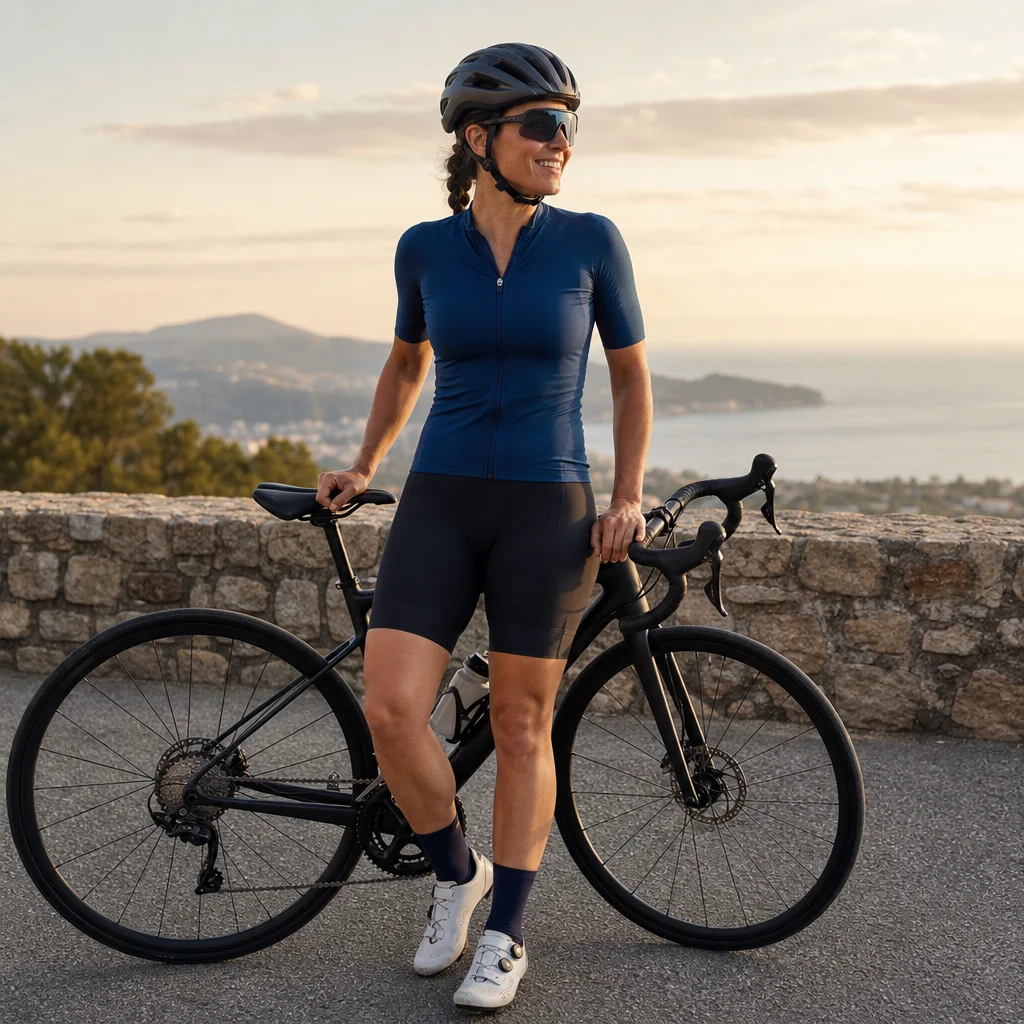
If you prefer to ride without a saddlebag, handlebar bag, or jersey vest, your pockets become part of your bike setup. The right cycling jersey can carry a phone, keys, food, identification, and a repair kit securely. The wrong one may sag, ride up, overheat, or make every item difficult to reach.
For a minimalist setup, don’t judge a jersey by pocket count alone. Focus on how the pockets are arranged, how much they stretch, whether the hem stays put, and how the fabric handles heat and sweat. You’re looking for a balance between capacity and stability—not simply the largest storage space.
Start with what you actually carry
Before comparing jerseys, lay out the items you normally take on a ride. A typical pocket load might include:
- Phone
- Wallet or identification
- Keys
- Cash or a payment card
- Two or three energy snacks
- Sunglasses when you aren’t wearing them
- A small multitool
- Tire levers
- A spare tube or tubeless repair supplies
- A compact pump or inflator
- A light wind shell for changing weather
You may not need to carry all of these on every ride. A short route near home requires less than a remote outing, and a group ride may offer more opportunities to stop for water or food. Your jersey should suit your normal load, with a little room for variation.
A useful test is to separate your items into three groups: essentials, occasional items, and “nice to have” items. If the jersey only works when every pocket is packed tightly, it probably isn’t a good minimalist solution.
Compare pocket layouts
Three rear pockets: the standard starting point
The traditional three-pocket layout remains versatile. The center pocket is often the largest, while the side pockets make it easier to divide items by purpose. You might keep food on one side, repair supplies on the other, and your phone or wind layer in the center.
This arrangement works well when you carry a moderate amount and want quick access. It also helps prevent small items from disappearing beneath larger ones. However, a full center pocket can become awkward if the jersey’s fabric has limited stretch or if the pocket opening is narrow.
Two larger pockets: simple, but less organized
Some jerseys use two wide rear pockets instead of three. These can hold bulky items more easily, particularly a folded shell or larger phone. They may also make it easier to slide your hand in and remove several items at once.
The trade-off is organization. Small items can collect at the bottom, and you may need to search through food wrappers or repair tools to find what you need. If you choose this layout, use small pouches or keep each pocket dedicated to a specific category.
Additional side or zip pockets
A fourth pocket can be useful for keys, cards, or other small valuables. A zippered pocket is especially helpful when you want extra reassurance that an item won’t fall out while you’re riding over rough pavement.
More pockets aren’t automatically better. Extra seams, zippers, and compartments can add bulk, and a small pocket may be too tight to use comfortably. Consider whether the feature solves a real problem in your setup or simply makes the jersey look more technical.
The pocket position matters as much as the count
Pockets should be reachable when you’re riding in a normal bent-forward position. If you have to twist sharply or pull the jersey upward to access them, you’re less likely to use them safely and comfortably.
Check whether the pockets sit high enough on your back to stay accessible but not so high that their contents press into your shoulder blades. The best position depends on your torso length and riding posture, so an in-person try-on is useful when possible.
Look for useful stretch, not unlimited stretch
Stretch allows a pocket to accept different shapes and prevents the fabric from feeling restrictive. It’s particularly important if you carry a jacket, pump, or repair kit along with flatter items.
But a very stretchy pocket can create its own problems. Heavy contents may pull downward, causing the jersey to sag and the pocket opening to angle away from your back. Loose items may also shift more while you pedal.
A good pocket should expand when loaded and recover when empty. Test it with the items you plan to carry. Put your phone in one pocket, a spare tube or repair kit in another, and food in the third. Then move your arms, bend forward, and walk around. The fabric should feel secure rather than strained.
Pay attention to the pocket openings. They need enough stretch for easy access, but excessive looseness can make you worry about losing items. If a pocket has a zipper, make sure you can operate it with one hand without catching the surrounding fabric.
Don’t overlook the hem grip
The lower hem helps keep the jersey from riding up when the pockets are loaded. A silicone gripper or other textured band can improve stability, particularly if you have a longer torso, carry heavier items, or ride in an aerodynamic position.
A strong gripper isn’t automatically more comfortable. If it pinches, rolls, or irritates your skin, you may adjust the jersey repeatedly during a ride. Look for a band that sits flat and distributes pressure around the torso.
The jersey should also fit closely enough to support its load. If the body is loose around your waist, even a good gripper may not prevent movement. On the other hand, sizing down just to make the hem tight can restrict breathing and create uncomfortable pressure across your chest.
When trying on a jersey, fill the pockets before deciding on the fit. An empty jersey can appear ideal but feel very different once loaded.
Choose fabric weight for your riding conditions
Lightweight fabric for hot, steady-weather rides
A lightweight jersey usually offers better airflow and dries quickly when you’re sweating. It’s a strong choice for warm-weather riding, especially when you don’t need to carry a jacket or other bulky layer.
The compromise is structure. Very thin fabric may provide less support for a heavy pocket load, and the pockets may stretch more noticeably. If you carry only a phone, cards, and a few snacks, this may not matter. A repair kit and wind shell may expose the limitation.
Midweight fabric for versatility
A midweight jersey is often the most flexible choice for a minimalist recreational cyclist. It can provide more pocket support and coverage across changing conditions without feeling excessively warm on ordinary rides.
This type of jersey may also be less transparent when stretched and more durable through repeated washing. If you want one jersey for a broad range of rides, a moderate fabric weight is usually easier to live with than an extremely light or heavily insulated option.
Heavier fabric for cool conditions
Heavier jerseys can provide warmth and a more stable pocket platform. They may be useful in cooler weather when you’re carrying gloves, a cap, or an extra layer.
They can become uncomfortable once temperatures rise, though, and they may take longer to dry. Don’t expect fabric weight alone to replace a proper outer layer in changing weather. A jersey that carries more isn’t necessarily the best jersey for every season.
Check how the jersey handles bulky items
Flat objects are easy for most rear pockets. Bulkier items reveal the real difference between designs. A compact pump, spare tube, or folded shell can create pressure points and pull the jersey backward.
Place bulky items low and close to your back when possible. Use side pockets for smaller objects and reserve the center pocket for a layer or another item with a broad, flexible shape. Avoid putting hard objects directly against your spine if they can be repositioned.
A pocket should hold its contents without forcing them upward toward your neck. If the top edge rolls outward or the jersey pulls noticeably at the shoulders, the load is too large for that design—or needs to be distributed differently.
Consider your body shape and riding position
Pocket performance depends on more than the garment’s measurements. A shorter torso, broader shoulders, or more upright riding position can change where the pockets sit and how their contents feel.
A close but comfortable fit is important because loose fabric creates movement. However, you still need room to breathe and move your arms freely. Check the jersey in your normal riding posture, not only while standing upright in front of a mirror.
If you have a longer torso, look for a jersey with enough length to keep the pockets on your back when you lean forward. If you prefer an upright position, prioritize easy pocket access and a hem that doesn’t bunch across your stomach.
Decide whether you need a secure valuables pocket
A zippered pocket can be worthwhile for keys, identification, or a payment card. Keep the contents light and confirm that the zipper pull doesn’t dig into your back.
For a phone, consider both pocket depth and pocket security. It should sit fully below the opening, with enough tension to keep it from shifting. A water-resistant pocket can offer some protection from sweat, but it shouldn’t be treated as waterproof unless the manufacturer specifically states that it is.
If your phone is large, check the dimensions rather than assuming it will fit. A pocket that accepts the phone only when empty may become unusable once you add other items.
Match the jersey to your usual ride
Choose a lightweight, three-pocket jersey if you carry a small load on warm rides and value airflow. Choose a midweight jersey with firm stretch and a reliable hem gripper if you want one versatile option for most recreational outings.
A two-pocket design can work well if you carry bulkier items and don’t mind organizing them yourself. Add a zippered pocket when small valuables are a regular concern. If you routinely carry a pump, repair supplies, food, and an extra layer, prioritize pocket support and capacity over the lowest possible fabric weight.
If the load becomes so large that the jersey sags or restricts movement, a small bag may be the better tool. Minimalism should reduce fuss, not turn every ride into a pocket-packing puzzle.
A simple fitting and loading checklist
Before buying, check the jersey with your normal riding load:
- Are the pockets reachable in your usual riding position?
- Does each item have a sensible place?
- Do the openings stretch without feeling loose?
- Does the hem stay flat when the pockets are full?
- Does the fabric support bulky items without pulling at your shoulders?
- Can you remove food or a phone without stopping?
- Does the jersey remain comfortable when you’re standing, pedaling, and bending forward?
- Is the fabric weight suitable for the temperatures you normally ride in?
Start with the smallest load that covers your needs, then add occasional items one at a time. That process will show whether you need more capacity or simply better organization.
Practical next steps
List your regular ride essentials and measure the largest item, usually a phone, pump, spare tube, or folded layer. Compare jerseys by pocket access, stretch, hem stability, and fabric weight rather than pocket count alone.
For most minimalist recreational cyclists, a well-fitting midweight jersey with three supportive rear pockets and a comfortable hem gripper is a dependable starting point. Fine-tune from there based on heat, ride length, and how much repair equipment you carry. The best jersey is the one that keeps your essentials secure without making you think about them throughout the ride.