A Practical Comparison of Saddle Bags, Frame Bags, and Jersey Pockets
The best cycling storage depends on what you carry, how quickly you need it, and how you want weight distributed across the bike. I’ll compare saddle bags, frame bags, and jersey pockets so you can build a setup that fits your rides without carrying unnecessary bulk.
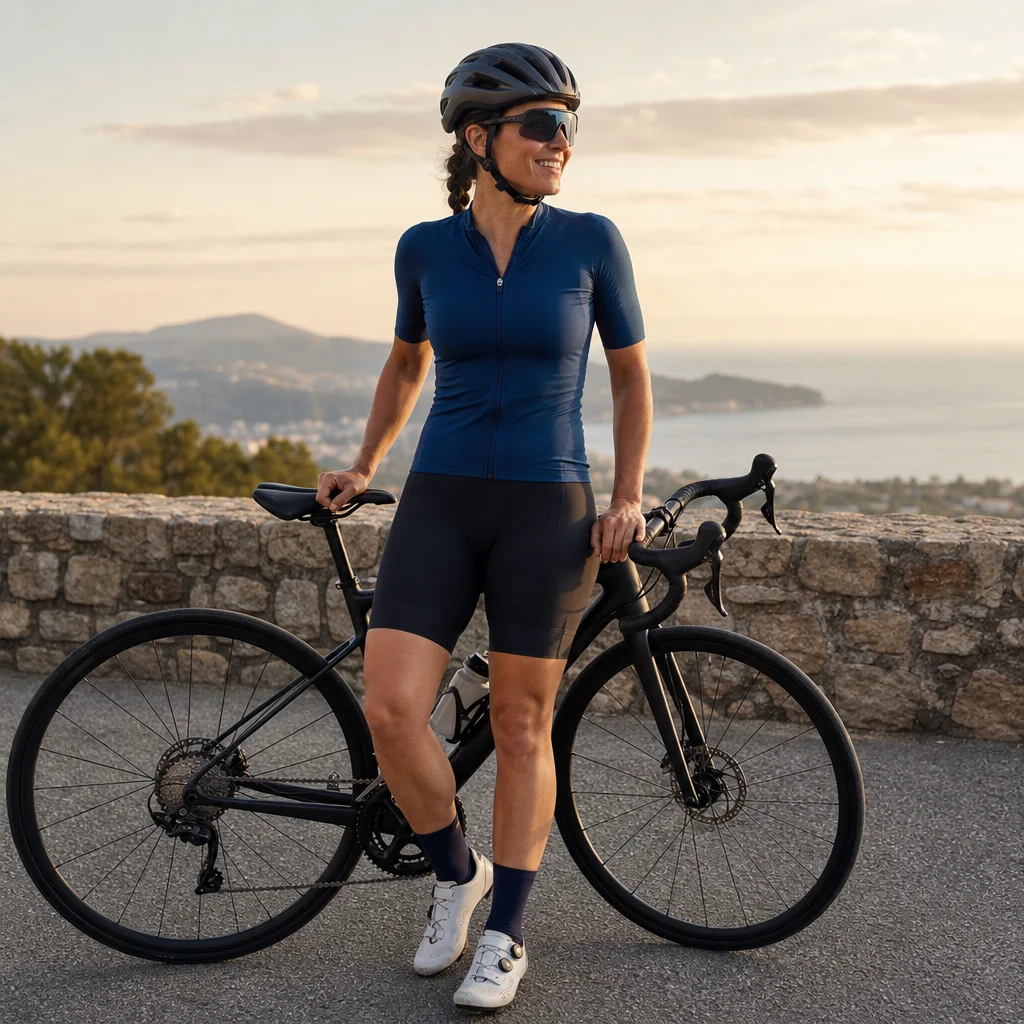
Choosing where to carry your essentials can make a ride feel tidy and comfortable—or leave you digging through a cramped pocket while stopped at the roadside. Saddle bags, frame bags, and jersey pockets each solve a slightly different problem, so the best choice depends on your route, weather, clothing, and tolerance for extra bike weight.
The main trade-offs are capacity, access, weight distribution, weather protection, and whether the contents need to stay on your body when you leave the bike. Once you separate those needs, choosing a carrying system becomes much simpler.
Start with what you need to carry
Before comparing storage options, make a short list of the items you regularly take on a ride:
- Phone and identification
- Keys and payment method
- Spare tube or tubeless repair supplies
- Tire levers and a pump or inflator
- Multitool
- Food and water
- Wind vest or rain shell
- Sunglasses or gloves
- Small first-aid or personal items
You probably won’t need all of these on every ride. A short, familiar outing may require only a phone, keys, and a repair kit. A longer or less supported route may call for extra food, clothing, and more comprehensive mechanical supplies.
That difference is important. Jersey pockets are convenient for a small load, while a saddle bag or frame bag becomes more useful when the contents start to compete for space with your food and clothing.
Saddle bags: compact storage for repair essentials
A saddle bag attaches beneath the saddle and usually sits above or behind the rear wheel. Its position makes it a popular place for items you hope not to use during the ride, such as a spare tube, tire levers, a multitool, and a compact pump.
Strengths of saddle bags
The biggest advantage is separation. You can keep repair equipment in the saddle bag and leave your jersey pockets available for food, a phone, or an extra layer. Once the bag is organized, you also don’t need to rearrange its contents every time you put on a different jersey.
A saddle bag can also be unobtrusive. Small models add little visual bulk and are suitable for everyday road rides. Many attach and detach quickly, which is useful if you share a bike or don’t want to leave accessories fitted when the bike is stored.
Limitations of saddle bags
Access is less convenient than with a pocket. You’ll usually need to stop, get off the bike, and reach behind the saddle. That makes a saddle bag better for emergency equipment than for snacks or anything you expect to use repeatedly.
Capacity is another limitation. A compact bag may hold a tube and tools but leave no room for a jacket. Larger models provide more space but can become heavy or may interfere with a rear light, saddle adjustment, or the rider’s legs if positioned poorly.
Saddle bags also vary in weather protection. A water-resistant fabric and covered zipper can help with road spray, but they don’t necessarily make a bag fully waterproof. If you’re carrying items that must stay dry, use a waterproof pouch inside the bag or choose a design specifically intended for wet conditions.
Choose a saddle bag when
A saddle bag is a strong choice when you want to:
- Keep repair equipment permanently organized
- Free up jersey-pocket space
- Carry a small, predictable load
- Avoid putting weight directly on your back
- Use a simple setup for regular road rides
For many riders, a small saddle bag is the best starting point because it handles the items that are most inconvenient to carry in clothing.
Frame bags: the most versatile bike-based option
A frame bag fits inside the main triangle of the bicycle frame, usually attaching to the top tube, seat tube, and down tube with straps or mounting points. Its size can range from a narrow half-frame pouch to a large bag that occupies much of the triangle.
Strengths of frame bags
Frame bags offer useful capacity without putting the load on your body. They’re particularly helpful for longer rides, commuting, touring, and variable weather when you need to carry food or clothing as well as tools.
The central position is another advantage. Weight carried near the middle of the bike generally has less effect on handling than weight placed high or far toward the rear. Keeping heavier items low and centered can help the bike feel more balanced, although the exact effect depends on the bag, its contents, and the bicycle.
A frame bag is also easy to access compared with a saddle bag. You’ll still normally stop to open it, but you won’t need to reach behind the saddle. Some designs have separate compartments, making it easier to divide tools, food, and clothing.
Limitations of frame bags
Frame compatibility is the first concern. Bags with straps need enough clearance around cables, bottle cages, suspension components, and the frame’s shape. A bag that fits one bicycle may rub against another or block access to a bottle cage.
A full-size frame bag can also reduce bottle capacity. If you rely on two frame-mounted bottles, a large bag may force you to use smaller bottles, a hydration pack, or additional storage. Straps can mark a frame if dirt becomes trapped underneath, so fitting and cleaning matter.
Access is still slower than reaching into a jersey pocket. A frame bag is best for equipment you use occasionally rather than something you grab every few minutes.
Choose a frame bag when
Consider a frame bag when you need to:
- Carry more than a small saddle bag can hold
- Add an extra layer, more food, or substantial repair supplies
- Keep weight off your back
- Maintain a balanced load near the center of the bike
- Build one setup for longer or less predictable rides
A frame bag is often the most flexible option, but it can require more careful planning because it affects bottle placement and frame access.
Jersey pockets: the fastest access
Jersey pockets keep your belongings on your body, within easy reach while you’re stopped or riding carefully. They’re especially convenient for food, a phone, tissues, or a lightweight layer that you expect to use during the ride.
Strengths of jersey pockets
Access is the clear advantage. You can organize items by pocket and reach them without attaching anything to the bike. Your storage system also moves with you if you stop at a café, lock the bike outside a shop, or switch bicycles.
Jersey pockets are a low-cost solution because they don’t require a separate bag. They also work with almost any road bike, provided your clothing fits properly and has secure pockets.
Limitations of jersey pockets
Pocket space is limited, and a full load can make the jersey sag or pull against your shoulders. Hard or bulky objects may also become uncomfortable, particularly if they press into your back while you’re leaning forward.
Your belongings are more exposed to sweat and rain. A phone, cash, or electronic device should be protected in a suitable waterproof or water-resistant pouch rather than placed loose in a pocket. Pocket contents can also fall out if the jersey is loose, the pocket is overfilled, or the closure is unreliable.
Carrying tools and food on your body may be perfectly comfortable for a light load, but the strain becomes more noticeable as the ride gets longer. The same weight can feel less intrusive when it’s distributed across a bike bag.
Choose jersey pockets when
Jersey pockets work well when you want:
- Immediate access to snacks or a phone
- A setup that transfers easily between bikes
- Minimal equipment for a short ride
- No straps, bags, or frame-clearance concerns
- Personal control over important items when leaving the bike
They’re usually best for items you use often or want to keep with you, rather than for every piece of equipment you might need.
Comparing the three options
| Priority | Best starting option | Why |
|---|---|---|
| Small repair kit | Saddle bag | Keeps tools organized and out of your pockets |
| Fast access to food | Jersey pockets | Easy to reach and sort while stopped |
| Phone and keys | Jersey pocket or small pouch | Stays with you when you leave the bike |
| Extra clothing | Frame bag or jersey pockets | Provides more usable volume |
| Balanced larger load | Frame bag | Places weight near the center of the bicycle |
| Simple short ride | Jersey pockets | Requires no additional storage equipment |
| Wet-weather protection | Weather-resistant bag or protected pocket | Offers better separation from spray and rain |
| Switching between bikes | Jersey pockets | The storage system moves with the rider |
These are starting points rather than strict rules. A small frame bag may be ideal for one rider, while another may prefer a saddle bag and two pockets for the same route.
Check the fit before loading up: Attach the bag to your bicycle with the contents inside, then turn the handlebars, pedal slowly, and check for rubbing against cables, legs, bottles, brakes, and the rear wheel. Recheck the attachment after the first few rides.
The most useful approach is often a combination
You don’t have to choose only one storage method. A mixed system lets each location do the job it handles best.
For example, you might use:
- A saddle bag for a spare tube, levers, and tools
- A jersey pocket for your phone, keys, and food
- A frame bag for a wind vest and additional supplies on a long ride
This arrangement separates frequently used items from emergency equipment. It also prevents you from stuffing every pocket and makes it easier to identify whether something is missing before you leave.
Another useful combination is a small frame bag with one or two jersey pockets. The bag can hold clothing and tools, while your pockets remain available for snacks and personal items. If you ride in wet conditions, put electronics and paper items in a separate protective pouch regardless of where they’re stored.
How to choose your setup
Use these questions to narrow down the decision:
How long and remote are your rides?
Short rides close to home usually need less capacity. Longer routes, unfamiliar roads, and limited access to shops justify more repair equipment, food, and clothing.
Do you need frequent access?
Keep high-use items in jersey pockets. Put tools, spare parts, and backup layers in a bag that you can open during a planned stop.
How sensitive are you to weight on your body?
If a loaded jersey feels uncomfortable, move heavier items to the bicycle. A frame bag keeps weight central, while a saddle bag is convenient for a smaller rear load.
Do you change bicycles or leave the bike unattended?
Personal items such as a phone, identification, and keys are often better in a pocket. Bike-mounted storage is more suitable for equipment you’re happy to leave attached or remove as a group.
What weather do you regularly encounter?
Think beyond the label. Test how a bag handles road spray, and protect moisture-sensitive items inside it. A light shower and prolonged rain create different demands, so your storage choice should match the conditions you actually ride in.
Practical next steps
Start with the smallest setup that safely covers your usual ride. For many riders, that means a small saddle bag for mechanical essentials and a jersey pocket for personal items and food.
Add a frame bag when you regularly need more capacity, extra clothing, or a better way to distribute weight. Keep frequently accessed items in your pockets, and reserve bike-mounted storage for equipment you use less often.
Whichever combination you choose, load it before a ride, check that nothing rubs or shifts, and practice opening the bags and using the tools. A storage system is most useful when it keeps your essentials organized without making the ride feel like an expedition.