How to Dress for a Spring Ride With Changing Temperatures
You can dress for a chilly start without carrying a full wardrobe for the afternoon. I’ll show you how to layer, protect against Midwest wind, and avoid clothing that stays damp.
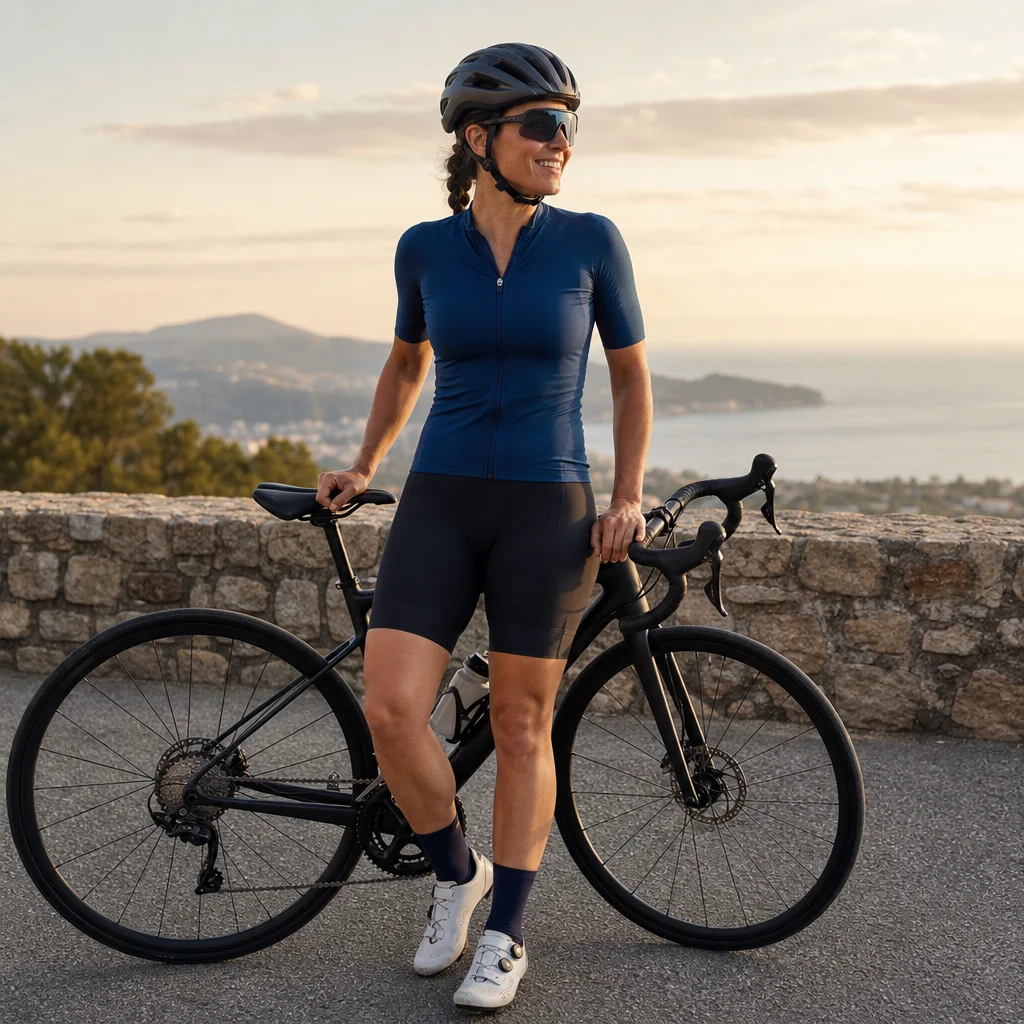
Spring rides in the Midwest often begin with cold pavement, light wind, and temperatures that feel much milder by the time you turn for home. The challenge isn’t finding one perfectly warm outfit; it’s building a system you can adjust as your body warms and the weather changes.
The most common mistakes are starting overdressed, relying on a single bulky layer, or bringing clothing that absorbs sweat without drying. A few lightweight, breathable pieces usually work better than one heavy jacket.
Build your outfit around adjustable layers
A useful spring setup has three jobs: move moisture away from your skin, add warmth when needed, and block wind or light rain. You may not need every layer on every ride, but each piece should have a clear purpose.
Start with a moisture-managing base layer
Wear a close-fitting base layer under your jersey or riding top. Synthetic fabrics and merino wool are common choices because they can move moisture more effectively than cotton. The fit should be comfortable without bunching beneath your jersey.
Avoid cotton for the layer directly against your skin. Once it becomes damp, it tends to stay wet and can leave you chilled during a descent, a stop, or a stretch of strong wind.
A base layer doesn’t have to be thick. On a cool but sunny ride, a lightweight sleeveless or short-sleeved version may be enough. For a colder start, choose long sleeves or add arm warmers rather than automatically reaching for a heavy jacket.
Use your jersey as the middle layer
A cycling jersey gives you a practical place to carry essentials and adjust ventilation. Full-length zippers are especially useful because you can open the jersey before you become sweaty instead of waiting until you’re already overheated.
If your jersey has a close fit, it will also help keep the next layer from flapping. Loose fabric can catch wind, create noise, and make a vest or shell less effective.
Add warmth with pieces you can remove
Arm warmers and leg warmers are useful when the morning is cool but the afternoon is expected to be more comfortable. They’re easier to remove and pack than a second pair of full-length garments.
A light gilet, often called a cycling vest, is another versatile option. It can cover your chest and block wind without trapping as much heat as a full jacket. A vest with a two-way or full-length zipper makes it easier to fine-tune airflow while riding.
For the coldest spring mornings, you may prefer a long-sleeved jersey or light insulating layer. Keep it thin enough to fit comfortably under your outer shell and avoid creating tight spots around your shoulders or elbows.
Treat wind protection as a separate job
Temperature alone doesn’t tell you how a spring ride will feel. Wind can make an exposed road feel much colder, particularly when you’re riding into it or descending. A windproof front panel or lightweight shell can make a larger difference than adding another thick insulating layer.
Choose an outer layer that covers your chest, shoulders, and lower back while you’re in your riding position. A jacket that fits well while standing may ride up or pull across your back when you lean toward the handlebars.
Look for vents or breathable panels, but remember that no shell will eliminate sweat in every condition. Use the zipper before you’re soaked. If you wait until your base layer is wet, opening the jacket may cool you quickly without solving the underlying problem.
Carry the outer layer instead of wearing it all ride
A packable wind vest or rain shell is most useful when it fits in a jersey pocket or small saddle bag. You can start with it on, remove it after the first climb, and put it back on before a cool descent.
A shell that packs small is also useful for the return trip. Spring weather can change while you’re riding, and the temperature may fall noticeably when clouds arrive or the sun goes down.
Check the ride window: Before you leave, review the forecast for the full route and return time, not just the temperature at departure. Pay attention to wind, precipitation, and any severe-weather alerts, then choose a packable layer that matches the conditions you’re actually likely to encounter.
Protect the parts that get cold first
Your hands, ears, and feet can become uncomfortable before your torso feels cold. Small accessories can make a spring outfit much more adaptable.
Hands
Light full-finger gloves are often more versatile than short-finger gloves for cool starts. If your hands run cold, carry a warmer pair or thin glove liners rather than relying on numb fingers to improve later.
Avoid gloves that are so bulky that they interfere with braking or shifting. You should be able to operate both controls confidently and keep a secure grip on the bars.
Ears and head
A thin cycling cap, ear band, or lightweight skullcap can reduce wind exposure without the bulk of a winter hat. Make sure it fits comfortably beneath your helmet and doesn’t affect how the helmet sits.
A cap with a short brim can also help with low spring sun and light drizzle, although it won’t replace eye protection or a rain shell.
Feet
Regular cycling socks may be enough once the afternoon warms, but cool morning starts can call for slightly warmer socks or shoe covers. Don’t choose socks so thick that they compress your toes inside the shoes; reduced space can make your feet feel colder.
If you use overshoes, check that they fit your cycling shoes and don’t interfere with cleats, pedals, or walking. For a mixed-weather ride, pack them only if they’re easy to carry and likely to solve a real problem.
Prevent the most common spring clothing mistakes
Mistake: dressing for the first five minutes
You may feel cold while rolling away from home, but your effort will usually increase once you reach open roads, hills, or a steady pace. A little initial coolness can be more comfortable than carrying excess heat for the rest of the ride.
Choose layers you can remove early. If you start sweating heavily in the first climb, you’ll have fewer comfortable options later.
Mistake: wearing a heavy, non-breathable jacket
A thick jacket may feel reassuring before the ride, but it can trap heat once you’re working. For changing temperatures, a lighter base layer plus removable wind protection is often easier to manage.
Reserve a warmer jacket for genuinely cold conditions, low-intensity rides, or situations where you may spend time stopped outdoors.
Mistake: forgetting the descent
Climbing can make you feel warm even when the air is cold. The descent reverses that quickly because your effort drops and wind exposure rises. Keep your vest or shell accessible rather than buried beneath tools and snacks.
If you’re stopping at the top of a climb, put on your outer layer before you become chilled. Damp clothing loses comfort quickly when you stop moving.
Mistake: bringing clothes that stay damp
Avoid packing a cotton sweatshirt as your emergency warm layer. It may be comfortable at home but awkward in a jersey pocket and slow to dry after absorbing sweat or rain.
A lightweight synthetic shell or cycling-specific vest generally gives you more flexibility for its size. If you do get wet, focus on reducing wind exposure and keeping your core comfortable rather than adding a soaked layer.
A simple spring layering formula
For a cool start and warmer finish, try this basic combination:
- Moisture-managing base layer
- Short- or long-sleeved cycling jersey
- Arm warmers or a light insulating layer, depending on the morning
- Packable wind vest or shell
- Full-finger gloves
- Lightly warmer socks or compact shoe covers if needed
As the ride progresses, remove layers before you become sweaty. Store arm warmers and gloves where you can reach them without unpacking the rest of your gear. On the way home, reverse the process before a long descent or when the sun starts to fade.
The right combination will vary with your pace, route exposure, wind, precipitation, and how easily you get cold. Start with adjustable pieces, test the system on a shorter ride, and note what you actually used.
Practical next steps
Before your next spring ride, lay out your clothing and ask what each piece is supposed to do. If two items provide the same kind of warmth, choose the lighter or more packable one. Check that your outer layer fits in your pocket, your gloves allow confident control use, and your shoes still have room for your chosen socks.
Then dress for the whole ride rather than the driveway. A breathable base, removable warmth, and accessible wind protection will usually give you more comfort than one heavy layer—and fewer damp, unwanted surprises along the way.