Base Layers, Jerseys, and T-Shirts: What Actually Changes on a Ride
When a ride starts cool, turns sweaty, or runs longer than planned, clothing choices become noticeable quickly. I’ll explain what base layers, cycling jerseys, and ordinary T-shirts actually change so you can spend less and dress sensibly.
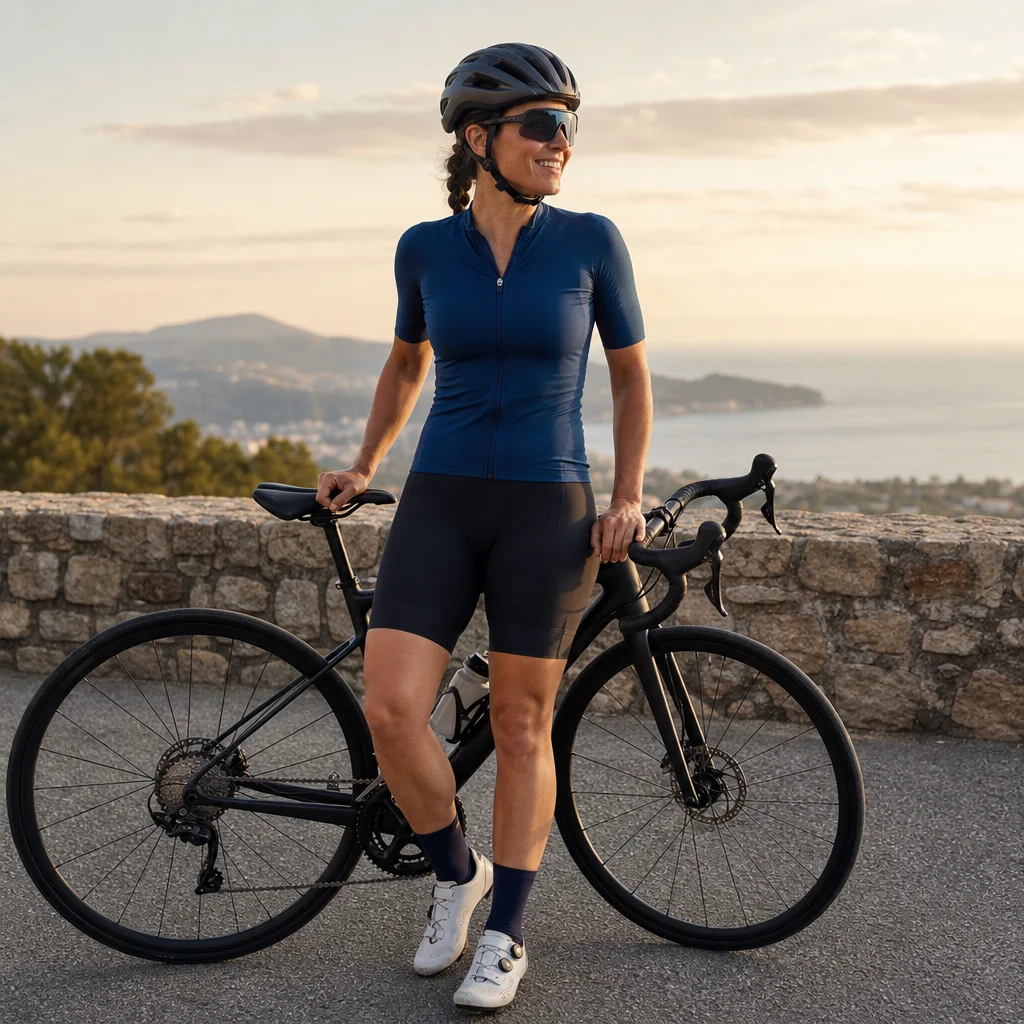
You can ride a bike in almost any shirt, but different fabrics and cuts become more noticeable as the distance, temperature, or effort increases. A cotton T-shirt may feel perfectly fine for a short, easy trip; on a longer ride, it can hold sweat, flap in the wind, and leave you uncomfortable.
Cycling-specific clothing isn’t automatically necessary. The useful question is what problem you’re trying to solve: managing moisture, staying warm, carrying essentials, reducing chafing, or simply feeling comfortable enough to keep riding. For many new and cost-conscious cyclists, one versatile shirt and a few layering habits are a better starting point than a full wardrobe.
What each clothing option is designed to do
Base layers: manage the first layer of moisture
A base layer sits next to your skin beneath another shirt or jacket. It’s usually made from a synthetic fabric or merino wool, both of which can help move moisture away from your skin and reduce the clammy feeling caused by a soaked shirt.
A base layer is most useful when:
- The weather is cool enough to require more than one layer.
- You sweat easily but still need insulation.
- You want a light layer that can work under several outer garments.
- You’re riding for long enough that damp fabric becomes uncomfortable.
A base layer doesn’t keep you dry in every condition. It can become wet during hard efforts, especially if the weather is warm or the fabric can't evaporate moisture quickly. Its main benefit is helping manage the layer next to your skin, not creating a waterproof barrier.
For warm-weather riding, a lightweight, close-fitting base layer can also be worn under a jersey, although some riders prefer to wear the jersey alone. In cool weather, a long-sleeve base layer can add warmth without requiring a much heavier outer garment.
Cycling jerseys: built around riding posture
A cycling jersey is cut for a forward-leaning position. The front may be shorter, while the back is longer to provide coverage when you’re bent over the handlebars. Many jerseys also have rear pockets for small items such as a phone, snacks, keys, or a spare layer.
Common features include:
- Breathable synthetic or wool-blend fabric.
- A close fit that reduces loose fabric in the wind.
- A full or partial front zipper for ventilation.
- Rear pockets for lightweight essentials.
- A longer back panel for coverage while riding.
These features become more valuable as a ride gets longer. A rear pocket can save you from carrying a small bag, and a zipper gives you more control over temperature than a fixed-neck T-shirt. The trade-off is that a jersey can cost more than an everyday shirt and may feel too specialized for short trips.
A jersey doesn’t need to be skin-tight to work well. For casual riding, a comfortable athletic fit is often enough. If the fabric pulls across your shoulders, rides up excessively, or restricts your breathing, it’s too small regardless of what the label says.
T-shirts: inexpensive and familiar
An everyday T-shirt is often the simplest choice for short, low-intensity rides. It costs little or nothing extra, feels familiar, and works especially well when you’re riding to a nearby destination rather than training or spending several hours outside.
The main variables are fabric, fit, and weather. A lightweight synthetic or blended T-shirt may dry faster than a thick cotton shirt. A loose shirt allows airflow but may flap in the wind or catch on a backpack. A very tight shirt can feel restrictive and may not leave room for a base layer.
Cotton isn’t dangerous or unusable for cycling. It can be comfortable in mild, dry conditions. Its limitation is that it tends to absorb and retain sweat, so it can feel heavy during hard efforts or cold once you stop. If you’re riding gently and can change when you arrive, that may not matter much.
Moisture: what changes in real use
Moisture management depends on how much you sweat, how hard you ride, the humidity, the wind, and whether your clothing can dry. No shirt can remove the need to account for those conditions.
The usual progression looks like this:
- Easy ride, mild weather: An ordinary T-shirt may be completely adequate.
- Hard effort or warm weather: A lightweight breathable shirt can feel less saturated and clingy.
- Cool ride with changing effort: A base layer and an outer layer make it easier to regulate temperature.
- Long ride: Faster-drying fabric and access to pockets become increasingly useful.
A shirt that feels comfortable at the start may become uncomfortable after an hour. That doesn’t necessarily mean you need the most technical clothing available. It may mean you need a lighter fabric, a less restrictive fit, or a spare layer for the return trip.
Avoid adding layers simply because the temperature feels cool before you begin. Cycling generates heat, and overdressing can leave you soaked with sweat. Starting slightly cool is often more comfortable than starting warm and having no way to vent, though the right choice depends on the weather and the effort you expect.
Temperature and layering choices
Warm conditions
In warm weather, the priority is usually ventilation and manageable moisture. A lightweight T-shirt, athletic shirt, or cycling jersey can work. A jersey’s zipper may be useful on climbs or when airflow changes, while a simple T-shirt may be enough for a relaxed ride.
A base layer is optional. Some riders like the feel and moisture control; others find an extra layer warmer than necessary. Try it for a short ride before relying on it for a long one.
Cool conditions
In cool weather, layers are more flexible than one heavy shirt. A base layer can provide light insulation, while a jersey, sweatshirt, wind vest, or jacket adds protection as needed. The best combination depends on wind, rain, speed, and how easily you warm up.
Cycling-specific cuts can help because they keep your lower back covered in a riding position. With ordinary clothing, you may need to check that your shirt doesn’t ride up or expose skin when you lean forward.
Changing conditions
When the temperature may shift, prioritize a layer you can remove and carry. A jersey pocket can hold a compact vest or thin jacket, but a small saddlebag or handlebar bag can perform the same job. You don’t have to buy a jersey just to gain storage.
Check your weather and route before layering: Look at the expected temperature, wind, rain, and ride duration, then choose clothing that gives you one manageable way to add or remove a layer.
Fit and comfort matter more than branding
The right clothing should let you move your arms and shoulders freely, breathe comfortably, and stay in place while you pedal. Check the fit in your actual riding position rather than only standing upright.
Pay attention to:
- Seams that rub under your arms or across your neck.
- A waistband or hem that digs in when you lean forward.
- Sleeves that restrict movement.
- Fabric that becomes transparent when stretched.
- Loose material that catches wind or snags on equipment.
- A collar or zipper that irritates your skin.
For a T-shirt, a slightly athletic cut is often a useful compromise. It provides room to move without creating a large amount of flapping fabric. For a jersey, don’t size down just to achieve a cycling look. Comfort and unrestricted breathing are more important than a close silhouette.
Pockets and carrying essentials
Pockets are one of the clearest practical differences between a cycling jersey and a regular shirt. Rear jersey pockets are positioned for access while riding, but they can also pull backward if overloaded. Keep heavier items in a bag or on the bike when possible.
For a short ride, you may only need a phone, keys, and perhaps a small snack. A pocket, waist pack, saddlebag, or handlebar bag can all handle that load. Consider the clothing you already own before purchasing a jersey solely for storage.
Whatever you use, secure items so they can’t fall into the wheel or interfere with steering. A pocket that closes with a zipper is helpful for keys and other small objects, but it isn’t a substitute for checking that your belongings are secure before riding.
A minimalist clothing setup
You can cover most recreational rides with a small collection:
- One comfortable moisture-managing shirt for warm or moderate rides. This could be a cycling jersey, athletic shirt, or lightweight synthetic T-shirt.
- One base layer if you regularly ride in cool conditions or dislike damp fabric against your skin.
- One removable outer layer for wind, light rain, or temperature changes.
- A way to carry essentials, whether that’s jersey pockets, a saddlebag, a handlebar bag, or a small pack.
- Clothing that prevents chafing, which may matter more than whether the shirt has cycling branding.
If you’re riding in ordinary casual clothes, consider the rest of your outfit too. Loose trouser legs can catch on the chain, and bulky layers may restrict movement. A simple trouser strap or more fitted lower garment can solve the first problem without requiring cycling-specific clothing.
What to buy first
If your current T-shirts are comfortable and your rides are short, keep using them. Your first purchase might be a small bag, a better outer layer, or clothing that solves a specific irritation rather than a complete cycling kit.
If sweat and discomfort limit longer rides, start with one breathable shirt or one cycling jersey. If you ride across cool mornings and warmer afternoons, a base layer or packable vest may provide more versatility than several specialized tops.
The best upgrade is the one that addresses a repeated problem. Notice whether you’re too hot, too cold, wet with sweat, short on storage, or dealing with chafing. Then buy for that problem.
Practical next steps
For your next few rides, test the clothing you already own and note when it stops working well. Record the temperature, ride length, effort, and the specific discomfort—not just whether you liked the outfit.
Choose a cycling jersey if you value riding-specific fit, ventilation, and built-in pockets. Choose a base layer when managing the feel of sweat or adding flexible warmth is the priority. Choose a T-shirt when the ride is short, easy, and your existing clothing is comfortable.
You don’t need a cycling wardrobe to ride well. Start with one reliable shirt, add layers only when conditions call for them, and let your actual rides—not the clothing category—decide what belongs in your kit.