How to Wash Cycling Clothing Without Ruining Stretch Fabric
I’ll explain how to wash jerseys, bib shorts, gloves, and technical layers without weakening stretch fabric, trapping odors, or shortening their useful life. You’ll learn which temperatures, detergents, drying methods, and laundry habits prevent the most common care mistakes.
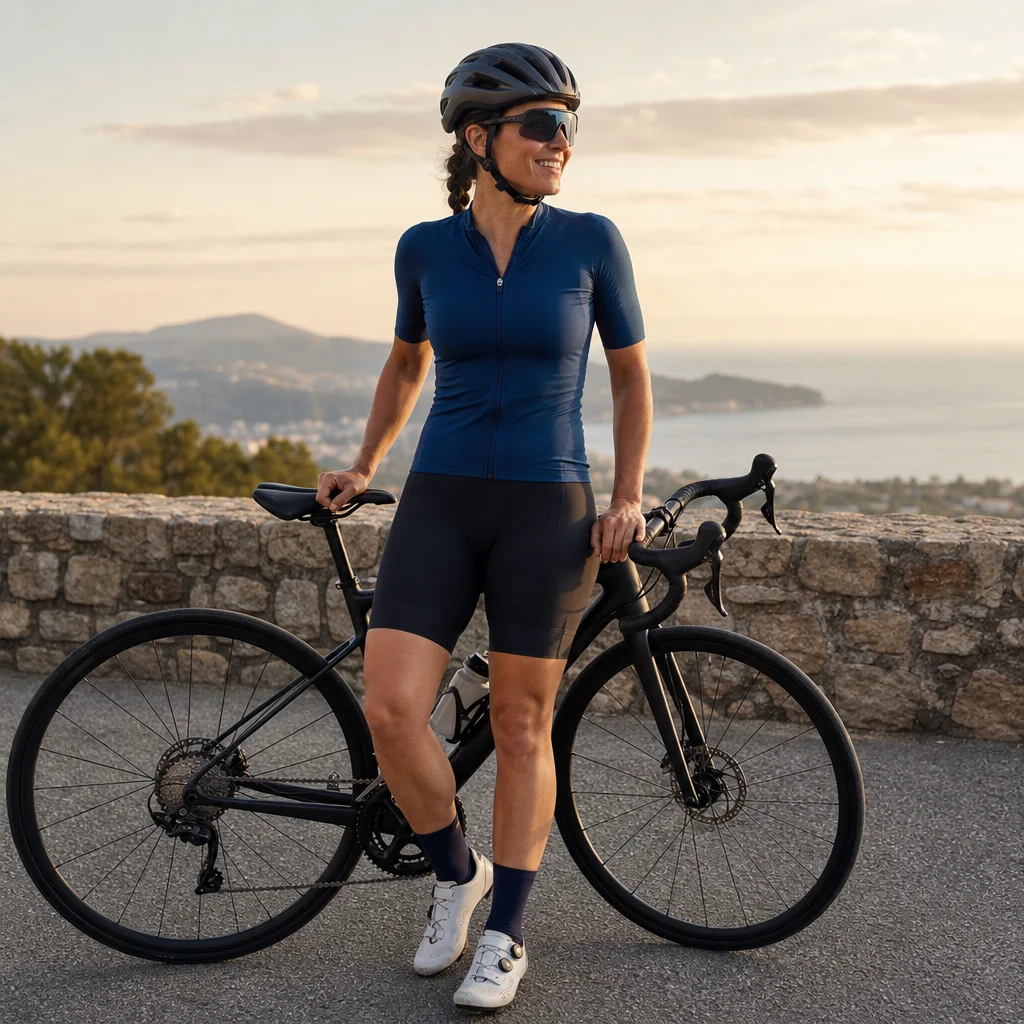
Cycling clothing can look sturdy while relying on delicate fibers, elastic, grippers, and bonded seams. Washing it like a cotton T-shirt—especially with hot water, harsh detergent, or high heat—can leave fabric stretched, colors faded, and odors harder to remove.
The good news is that most cycling clothing needs a simple routine rather than special treatment. Wash it soon after riding, use a mild detergent, control heat, and give each item enough room to rinse and dry properly.
Start by checking the care label
Before choosing a wash cycle, look at the garment’s care label. Instructions vary between a lightweight jersey, padded bib shorts, waterproof shell, and insulated layer. The label’s temperature limit and drying instructions should take priority over general advice.
Turn garments inside out and close any zippers or hook-and-loop fasteners. This protects the outer surface and keeps fasteners from catching on mesh, jersey fabric, or elastic panels. Remove items from pockets, too; a forgotten energy-gel wrapper is easier to clean up than a forgotten multitool.
Separate heavily soiled cycling clothes from everyday laundry when possible. Road dust and chain lubricant can transfer to other garments. If you need to wash everything together, keep cycling clothing away from rough towels, denim, and garments with exposed zippers.
Check the garment’s limits: Before washing a technical layer, confirm its care-label temperature, bleach restrictions, and drying instructions. Waterproof or insulated pieces may need different treatment from ordinary jerseys and bibs.
Rinse sweaty clothing promptly
Sweat, body oils, sunscreen, road grime, and bacteria can sit in the fibers after a ride. Leaving damp kit in a closed hamper gives odor more time to develop and can make later washing less effective.
If you can’t run a load immediately, take the clothing out of your bag and let it air out. For a quick rinse, use cool or lukewarm water, then hang the items where air can circulate. Don’t leave wet bib shorts or gloves crumpled inside a kit bag overnight.
A rinse is particularly useful after hot-weather rides, long indoor-training sessions, or rides where clothing becomes heavily saturated with sweat. It isn’t a substitute for washing, but it reduces the amount of residue that the main wash must remove.
Choose a gentle wash setting and moderate temperature
Use the coolest temperature that the care label allows and that will clean the clothing effectively. Cold or lukewarm water is suitable for many modern cycling garments and puts less stress on elastic fibers, dyes, and printed graphics than hot water.
A gentle or synthetic cycle can reduce mechanical wear. Avoid overloading the machine: clothes need room to move through the water and rinse completely. A packed drum can leave detergent and odor in the fabric, even when the cycle appears to finish normally.
Place small items such as gloves, arm warmers, and socks in a mesh laundry bag. A bag helps prevent them from disappearing into larger garments and limits snagging. It shouldn’t be packed tightly; water and detergent still need to pass through.
For bib shorts, fasten any shoulder straps if doing so keeps them from tangling, but don’t stretch the straps around other garments. Keep padded shorts away from abrasive items that could roughen the chamois or damage the outer fabric.
Use the right amount of detergent
Choose a mild liquid detergent suitable for synthetic fabrics. Use the amount recommended for the load size and soil level, not an extra splash because the clothing smells strong. Too much detergent can leave residue that traps odor and irritates skin.
Avoid fabric softener. It can coat synthetic fibers and reduce their ability to move moisture away from the skin. It may also interfere with the performance of fabrics designed to manage sweat or resist water.
Skip chlorine bleach unless a garment’s manufacturer specifically permits it. Bleach can weaken elastic, damage colors, and harm technical finishes. Oxygen-based products aren’t automatically safe either, so check the label before using any stain treatment or laundry additive.
If odor remains after normal washing, don’t immediately keep increasing the detergent. First check whether the load is overcrowded, the machine needs cleaning, or the clothing is sitting damp before and after washing. Residue and poor drying are common causes of recurring smell.
Treat stains before they set
Road spray, food, sunscreen, and grease are easier to remove when treated promptly. Rinse the affected area from the back of the fabric with cool water, then apply a small amount of mild detergent to the stain. Gently work it in with your fingers and allow a short soak if the care label permits.
Don’t scrub aggressively, twist the fabric, or use a stiff brush on mesh, logos, reflective details, or the chamois. Those actions can create fuzzing or stretch the material.
Chain lubricant deserves extra care. Blot excess oil rather than spreading it, then pre-treat the spot before washing. Keep the garment away from the dryer until you’re sure the stain is gone; heat can make oily marks more difficult to remove.
Dry cycling clothing with less heat
Air-drying is usually the safest choice for jerseys, bibs, gloves, and technical layers. Gently reshape each item after washing and hang it in a well-ventilated place away from intense direct sunlight. A shaded outdoor location or indoor drying rack works well.
Avoid wringing bib shorts or twisting garments to remove water. Pressing them gently between clean towels can reduce dripping without stressing stretch fabric. Hang heavier items in a way that doesn’t pull excessively on shoulder straps or grippers.
Use a dryer only when the care label allows it, and choose a low-heat setting. High heat can damage elastic, shrink some fabrics, weaken adhesives, and reduce the life of waterproof or windproof finishes. Never assume that because an item is machine washable it is also safe for a hot dryer.
Don’t iron cycling clothing unless the label specifically allows it. Heat can damage synthetic fibers, reflective graphics, and bonded details. Most technical garments don’t need ironing if they’re removed from the washer and reshaped promptly.
Give bib shorts and chamois special attention
Bib shorts deserve careful handling because they combine stretch fabric, straps, leg grippers, and a padded chamois. Wash them after each ride rather than leaving sweat and skin oils in the padding.
Turn them inside out, use a mild detergent, and avoid fabric softener. Don’t pull hard on the leg grippers or suspenders when moving the garment from the washer to the drying rack. Let the chamois dry completely before storing the shorts or wearing them again.
A persistent smell in the chamois may indicate incomplete rinsing, slow drying, or a washing machine that needs cleaning. If the padding has become permanently compressed, the fabric is losing elasticity, or the chamois no longer sits correctly, better washing habits may not restore the garment.
Keep gloves, socks, and accessories clean
Gloves can hold sweat, sunscreen, and road grime against your hands. Fasten hook-and-loop closures before washing and use a mesh bag if the gloves are small or delicate. Shape them while damp so they don’t dry in a tightly crumpled form.
Cycling socks can usually be washed with other synthetic clothing, but keep them away from rough fabrics and excessive heat. If they have a high-visibility color or printed design, turning them inside out can reduce fading and surface wear.
For helmets, don’t put the entire helmet in a washing machine. Remove washable pads and straps if the manufacturer permits it, then clean them according to the helmet’s instructions. Wipe the shell separately and let every part dry fully before reassembly.
Prevent odor with the laundry routine
Odor prevention starts before the wash:
- Remove damp clothes from your kit bag as soon as practical.
- Rinse or wash sweaty garments promptly.
- Don’t use more detergent than needed.
- Leave the washer door and detergent drawer open after a cycle so they can dry.
- Clean the washing machine periodically, especially if it develops a musty smell.
- Dry clothing completely before folding or storing it.
- Don’t store bib shorts, gloves, or jerseys in a sealed bag while damp.
If a garment still smells after cleaning, wash it separately and inspect the care label before trying a specialized odor-treatment product. Test any new product on a hidden area if the manufacturer provides no clear guidance, and don’t combine cleaning chemicals.
A simple routine that protects stretch fabric
For most cycling clothing, the following process is enough:
- Take the clothing out of your bag and empty every pocket.
- Rinse heavily sweaty or muddy items if you can’t wash them right away.
- Close zippers and hook-and-loop fasteners, then turn garments inside out.
- Separate technical clothing from rough, heavy, or oily items.
- Wash in cool or lukewarm water with a mild detergent and no fabric softener.
- Use a gentle cycle and avoid overloading the drum.
- Reshape the garments and air-dry them, or use only the low heat allowed by the label.
- Store everything only after it is completely dry.
The main mistake is treating all laundry problems with more heat, more detergent, or more aggressive scrubbing. Technical cycling clothing usually lasts longer when you reduce those forces instead: wash promptly, handle it gently, rinse thoroughly, and dry it with care. That routine keeps stretch fabric supportive and makes your riding kit more comfortable for the miles ahead.