Cycling Rain Pants: When They Help and When They Overheat
Rain pants matter most when they keep you comfortable without turning a cool, wet ride into a sweaty one. I’ll help you weigh waterproofing, breathability, fit, durability, and cost so you can decide when wet legs are the better trade-off.
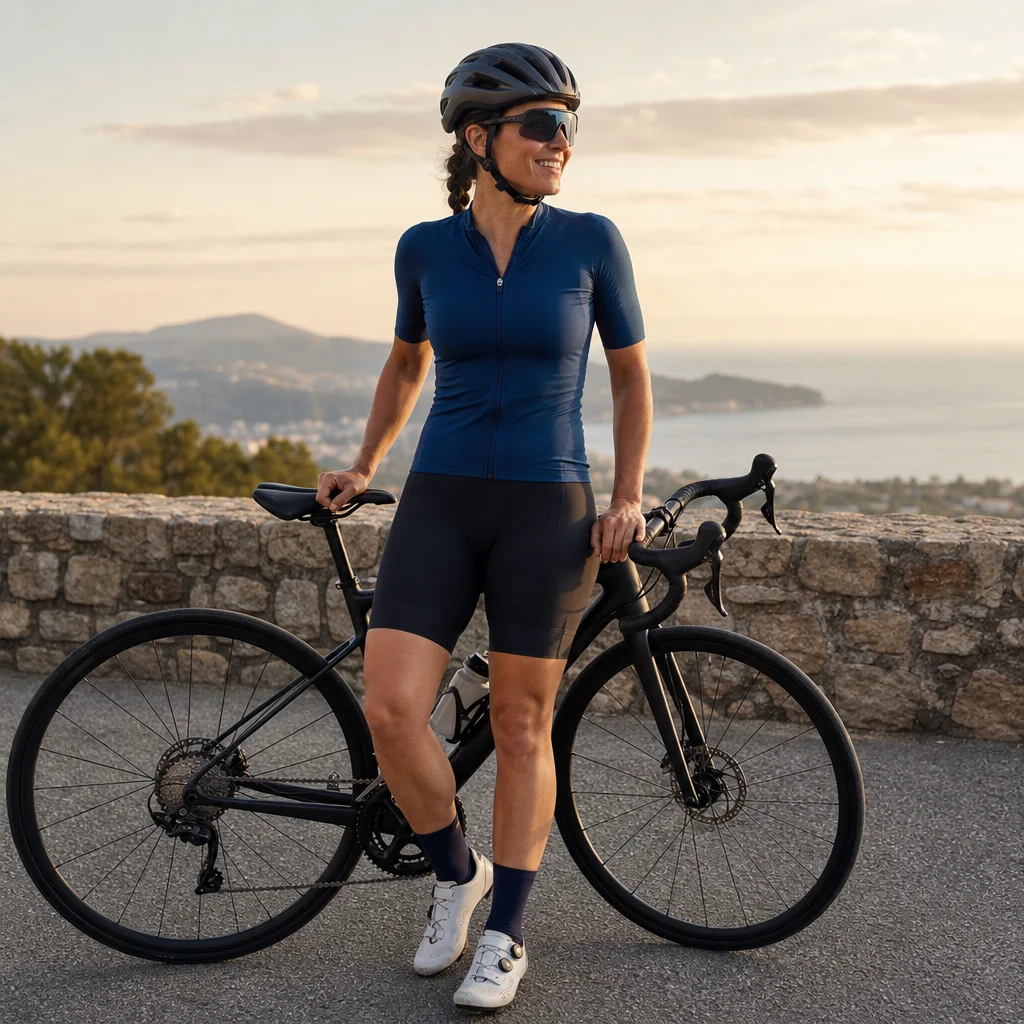
Wet legs aren’t automatically a problem, but soaked cycling clothes can become uncomfortable quickly when the temperature drops or the ride lasts for hours. Rain pants can protect you from steady rain, road spray, and wind—but the wrong pair may trap enough heat and moisture to leave you damp from the inside.
The sensible choice depends less on finding the most waterproof overtrousers and more on matching the pants to the weather, effort, clothing underneath, and value you expect from the purchase.
When cycling rain pants are worth wearing
Rain pants are most useful when your legs face a combination of rain, wind, and low temperature. They can make a meaningful difference in several situations:
- Cold, steady rain: Water running over your thighs and knees can make pedaling uncomfortable, especially during descents or slower sections.
- Long rides: A little moisture that seems harmless for 30 minutes can become tiring after several hours.
- Commuting or utility trips: Staying reasonably dry may matter when you need to arrive ready for work, errands, or another activity.
- Strong wind: A waterproof outer layer can reduce evaporative cooling, even when rainfall is light.
- Heavy road spray: Wet roads can soak the backs of your legs even when rain from above is easing.
- Cold-weather riding: Rain protection can help preserve warmth when you’re already wearing insulating layers.
They’re less compelling when the rain is warm, the ride is short, or you’re riding hard enough to generate significant heat. In those conditions, wet legs may be more comfortable than wearing a non-breathable layer.
The main trade-off: staying dry versus overheating
Waterproof fabric blocks rain from reaching your skin, but it also makes it harder for sweat vapor to escape. Breathable materials can reduce that problem, but no fabric eliminates it—particularly during a sustained climb or a high-effort ride.
Think of rain pants as a way to manage external moisture, not as a guarantee that your legs will remain dry.
You may still feel damp inside if:
- You’re pedaling at a high intensity.
- The pants fit tightly against your base layer.
- Ventilation is limited around the waist or ankles.
- The fabric is coated with dirt or body oils.
- The weather is warm and humid.
- You wear too many layers underneath.
For easy riding in cool rain, waterproof pants can be very effective. For hard riding in mild rain, lightweight tights, leg warmers, or simply accepting wet skin may make more sense.
Check your ride-day conditions: Before choosing a leg layer, consider the forecast temperature, expected rainfall, wind, ride duration, and whether you’ll be climbing hard. A pair that works for a cold commute may be uncomfortable on a high-effort weekend ride.
What makes rain pants suitable for cycling?
Not every waterproof overtrouser works well on a bicycle. Hiking pants or general-purpose rain pants may protect you from water, but cycling-specific details can improve comfort and durability.
A cycling-friendly cut
Look for a cut that accommodates a bent-forward riding position. Extra length at the back can help cover your lower back, while a slightly shaped leg can reduce excess fabric around the knees.
The pants should fit over your normal cycling clothes without pulling across the thighs or restricting your pedal stroke. They also shouldn’t be so loose that the fabric catches on the crank, chain, or rear wheel.
Try them in a riding position if possible. Standing upright in a store doesn’t reveal whether the waistband slips, the knees bind, or the hems ride up when you pedal.
An adjustable waist
A secure waist prevents the pants from sliding down as you ride. Elastic may be enough for lightweight trousers, but a drawcord, hook-and-loop adjustment, or another simple fastening system can make the fit more reliable over multiple layers.
Avoid an overly tight waist. Compression from rain pants can become distracting, especially when you’re seated for a long time.
Ankle access and secure hems
Wide hems are easier to pull over shoes, but they need some way to stay clear of the drivetrain. Zippers, snaps, elastic, or hook-and-loop tabs can help you adjust the opening.
If you use clipless cycling shoes, check whether the pants can pass over the heel and cleat without excessive force. If you ride in flat shoes, you may have more flexibility, but the hem still shouldn’t dangle near the chain.
Useful pockets, used carefully
Pockets can be convenient, but they’re not essential. A pocket adds seams and potential water-entry points, and anything stored in it may bounce while you pedal.
For a simple rain layer, prioritize packability and fit over a large pocket layout. Keep valuables in a reliably protected jersey pocket, saddle bag, or other waterproof storage rather than assuming the pants pocket is fully waterproof.
Waterproofing, breathability, and fabric weight
Rain pants generally fall into three useful categories.
Lightweight emergency overtrousers
These are designed to pack into a small space and come out when conditions worsen. They’re often inexpensive and resource-efficient if you only need occasional rain protection.
The trade-offs are usually lower durability, less ventilation, and a looser fit. They can work well for unpredictable weather, but they may feel clammy during sustained effort.
Midweight cycling rain pants
These offer a stronger balance of waterproofing, fit, durability, and packability. They’re a sensible choice for riders who regularly face cool, wet conditions but don’t want a bulky winter garment.
A midweight pair may be worth the additional cost if it replaces several less suitable layers or receives frequent use. Look for reinforced areas, dependable closures, and fabric that remains flexible while pedaling.
Insulated or cold-weather overtrousers
These are aimed at genuinely cold conditions. They may combine water resistance or waterproofing with insulation, fleece, or a heavier construction.
They can be useful in cold rain, but they’re easy to overdo. If the temperature rises or your effort increases, you may have no comfortable way to shed heat. They’re a specialized purchase rather than a universal rain solution.
How rain pants should fit over cycling clothes
Start with the layers you actually wear on wet rides. If you typically use padded shorts and a jersey, try the pants over those. If you add tights or thermal layers in winter, allow for that extra volume.
Check these points:
- Sit on a bike or adopt a riding position. Make sure the waistband stays in place and the fabric doesn’t pull at the knees.
- Pedal through a full range of motion. Look for rubbing, bunching, or resistance around the thighs and knees.
- Check the hem. It should cover the leg without approaching the chain or getting trapped in the crank.
- Test the closures. You should be able to adjust the waist and ankles while wearing gloves if you’ll use the pants in cold weather.
- Leave room, but not excess. A little space helps accommodate clothing and air movement; too much fabric creates flapping and snag risks.
Avoid wearing cotton underneath if the ride is likely to be cold and wet. Cotton absorbs moisture and dries slowly, so a breathable synthetic or wool-blend base layer is generally easier to manage.
When wet legs are the better option
You don’t need rain pants for every wet ride. Going without them can be the most comfortable and economical choice when:
- The temperature is mild.
- Rain is light or intermittent.
- The ride is short enough that drying afterward is easy.
- You’re riding at a high intensity.
- You already have wet-weather protection for your torso and feet but don’t want another layer.
- The pants you own are poorly ventilated or restrict movement.
Wet skin isn’t automatically dangerous, but cold, wet conditions can reduce comfort and contribute to feeling chilled after you stop. If you choose to ride without leg protection, think about the return journey, wind exposure, and whether you’ll have dry clothing available afterward.
Making a cost-effective choice
The cheapest rain pants aren’t always the best value, and the most technical pair may offer benefits you never use. Estimate how often you’ll ride in rain and what problem you’re trying to solve.
An occasional rider may get good value from lightweight overtrousers that pack easily and provide basic protection for unexpected showers. A commuter or regular wet-weather rider may save money over time with a more durable pair that fits properly and remains comfortable over several seasons.
Before buying, check whether your existing gear can solve part of the problem. A good front mudguard can reduce spray, while a suitable base layer may make mild rain tolerable without another outer garment. These additions may be more useful than buying heavily insulated rain pants for occasional storms.
Avoid paying for features that don’t match your rides. Full-length side zippers, premium membranes, and extensive reinforcement can be worthwhile for frequent wet-weather use, but they add cost and sometimes weight. For short recreational rides, a simple, packable pair may be enough.
Care that keeps rain pants useful
Follow the garment’s care instructions, particularly for washing and reapplying durable water-repellent treatments. Dirt, detergent residue, and body oils can reduce how well water beads on the outer fabric and may affect comfort.
Dry the pants fully before storing them. Don’t leave them compressed in a damp saddle bag, and inspect the seat area, inner thighs, seams, and ankle closures for wear. A small tear can become a larger leak if it’s ignored.
Rain pants are usually an outer shell, not a substitute for regular clothing maintenance. Keep the layers underneath clean and dry when possible, and let all wet gear air out after the ride.
A simple decision checklist
Choose cycling rain pants when the ride is likely to be cool, wet, windy, or long enough for discomfort to build. Prioritize a cycling-specific fit, secure hems, manageable packability, and enough ventilation for your typical effort.
Skip them when conditions are mild, the ride is brief, or you know the pants will trap more sweat than they keep out. If you’re uncertain, carry a lightweight pair for changing conditions rather than wearing a heavy layer from the start.
The best rain pants are the ones you’ll actually carry, put on when needed, and continue using because they solve a specific problem without creating a worse one.