Rain Jacket, Wind Vest, or Arm Warmers: Which Layer Should You Carry?
I’ll help you choose between a rain jacket, wind vest, and arm warmers by focusing on the details that matter most on a ride: weather protection, breathability, pack size, temperature range, and how each layer fits into a versatile clothing system.
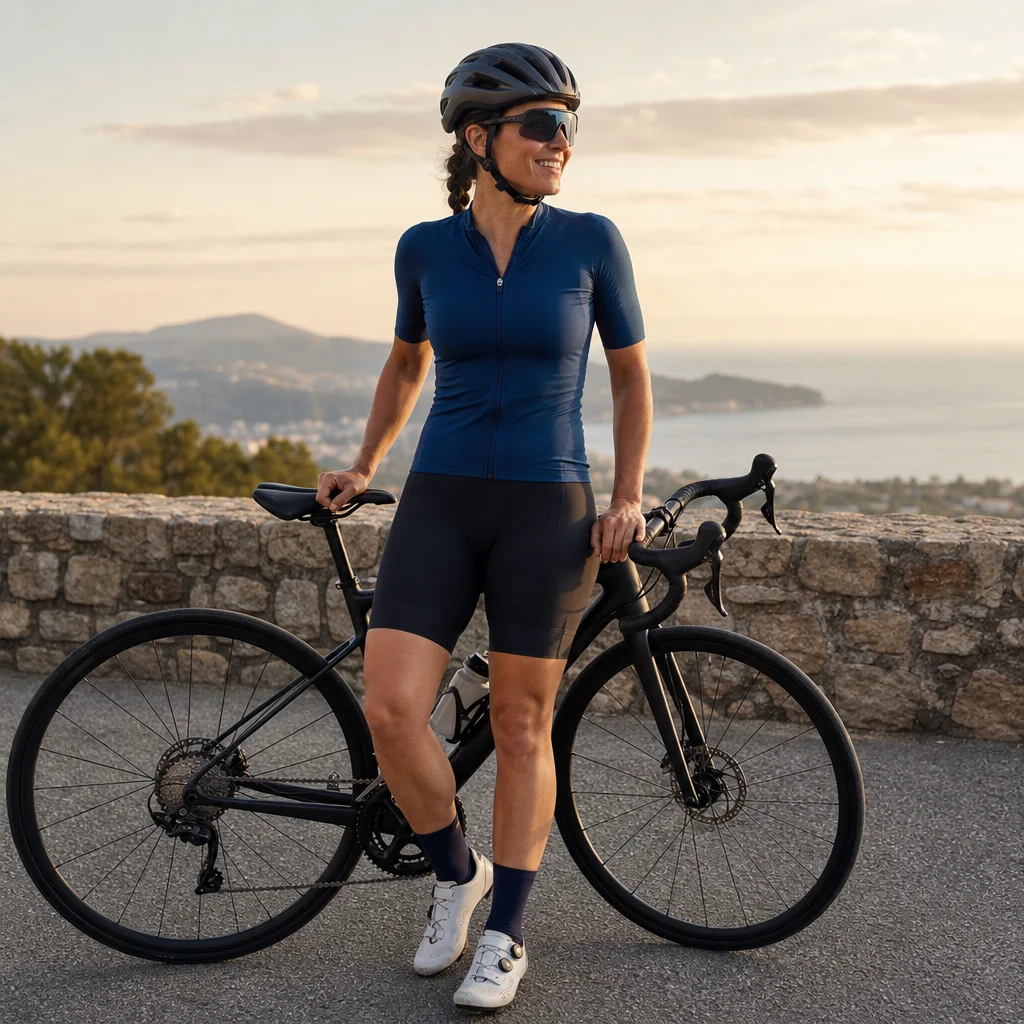
When you’re trying to pack light for a road ride, carrying every possible layer isn’t practical. But choosing only one can leave you cold, wet, or overheated when conditions change. A rain jacket, wind vest, and pair of arm warmers solve different problems, even though they can look interchangeable in a gear drawer.
The simplest approach is to match the layer to the main threat: rain calls for a rain jacket, wind calls for a wind vest, and cool temperatures call for arm warmers. The details matter, especially when the forecast is uncertain or your ride will pass through changing conditions.
The short answer
| Layer | Best at | Main limitation | Packability |
|---|---|---|---|
| Rain jacket | Blocking rain and wind | Can trap heat during hard efforts | Usually very good |
| Wind vest | Blocking cool wind while preserving ventilation | Offers limited rain protection | Excellent |
| Arm warmers | Adding warmth to your arms | Don’t protect your torso or hands | Good |
For a versatile clothing system, a wind vest and arm warmers often cover the widest range of cool, dry conditions. Add a rain jacket when rain is likely, the ride is long, or getting wet would create a safety or comfort problem.
Rain jacket: your protection layer
A cycling rain jacket is designed to keep precipitation off your torso and usually your arms. It also blocks wind effectively, making it the most protective option of the three.
Choose one when:
- Rain is likely rather than merely possible
- The route is long or far from shelter
- Temperatures are cool enough that getting soaked could make you uncomfortably cold
- You expect sustained descents, exposed roads, or strong wind
- You need a layer that can cover your jersey and other clothing
A rain jacket is also useful as an emergency layer. Even if the ride starts dry, a small shell can turn an unpleasant change in weather into a manageable one.
The trade-off: protection versus ventilation
Rain jackets block water by using a waterproof fabric, a membrane, a coated textile, or some combination of those approaches. None can remove all the moisture produced by your body during a hard effort. You may stay protected from rain while still becoming damp inside from sweat.
Look for features that improve comfort rather than assuming a higher price guarantees better performance. Useful details include:
- A cut that fits your riding position without ballooning in the wind
- A rear length that covers your lower back
- A full-length zipper for temperature control
- Cuffs that fit over or under your gloves as intended
- A collar that closes comfortably without rubbing
- A pocket or compact storage design
- Reflective details, particularly if you ride in low light
A race-cut jacket may fit closely over a jersey but leave little room for a thermal layer. A relaxed jacket may accommodate more clothing but flap in the wind. Try to match the fit to the layers you’ll actually wear underneath.
Check the weather window: Before leaving, look at the expected rain, temperature, wind, and daylight for the entire route—not just the conditions at your starting point. A lightweight shell is more useful when you’ll be exposed to changing weather or far from an easy route home.
Wind vest: the adaptable middle layer
A wind vest protects your chest and back from airflow while leaving your arms uncovered. That combination makes it a strong choice for cool starts, breezy descents, and variable conditions that don’t justify a full jacket.
Choose a wind vest when:
- The air feels cool but rain isn’t expected
- You want protection on your chest without covering your arms
- You’ll climb, descend, and ride at different intensities
- Your jersey is comfortable once you’re working hard
- You want the smallest, easiest-to-carry extra layer
Your torso often feels the first effect of a fast descent or headwind. A vest can reduce that chill without making your arms feel sealed in. It also works well over a short-sleeve jersey with arm warmers, giving you several temperature combinations in one setup.
What makes a vest useful?
A good wind vest should be easy to put on while riding slowly or stopped. A full-length zipper is more useful than a complicated closure, and a close fit helps prevent flapping. A rear opening or pockets can make it easier to reach food and tools in your jersey.
Some vests use more water-resistant fabric on the front and lighter material on the back. These can handle a brief sprinkle, but they shouldn’t automatically be treated as rain jackets. Wind-resistant and waterproof are different jobs.
The main limitation is coverage. Your arms remain exposed, and water can reach your jersey from the sides or back. If rain is steady, a vest may delay the problem rather than solve it.
Arm warmers: flexible temperature control
Arm warmers add insulation without requiring a separate long-sleeve jersey. They’re especially useful when mornings are cool but afternoons are expected to become warmer.
Choose them when:
- You need warmth for the first part of a ride
- Temperatures will rise later
- You want to adjust coverage without changing your jersey
- The conditions are dry or only slightly uncertain
- You prefer covering your arms while keeping your torso ventilated
Arm warmers are usually easy to roll down or remove and store in a jersey pocket. They can also provide useful sun coverage, depending on the fabric and its labeling, though coverage and comfort vary by product.
Fit matters more than insulation alone
Warmers should stay in place without squeezing your upper arm or restricting movement. If they slide down, bunch behind your elbow, or leave a gap at your jersey sleeve, you’ll spend the ride adjusting them.
Check the connection between the warmer and your jersey. A silicone gripper or well-sized elastic edge can help, but the best result still depends on choosing the right size. If you’re between sizes, consider whether the fabric stretches comfortably over your largest arm measurement rather than judging by the relaxed garment.
Arm warmers don’t replace rain protection. They may absorb water and become cold, and they leave your torso exposed to wind. They’re a temperature-management layer, not a weather shell.
How to choose for common ride scenarios
Cool and dry morning, warmer afternoon
Start with arm warmers if your main concern is temperature. Add a wind vest if the forecast includes a noticeable breeze, a fast descent, or an exposed route.
If you expect a substantial temperature change, arm warmers are often easier to remove and store than a long-sleeve jersey. A vest gives you another adjustment without adding much bulk.
Cool, windy, and dry
A wind vest is usually the first choice. It protects the area most affected by airflow while allowing your arms to ventilate.
If the temperature is low enough that your arms feel cold, combine the vest with arm warmers. This creates a lightweight three-piece system that can be adjusted as your effort and surroundings change.
Light showers or uncertain drizzle
The right choice depends on duration, temperature, and how exposed you’ll be. For a brief shower on a short ride, a water-resistant vest may be adequate for some riders. For a longer ride or cooler conditions, carry a rain jacket instead.
Arm warmers alone are a poor answer to uncertain rain. They can help with cool air, but they don’t protect your torso or keep your jersey dry.
Steady rain
Carry a rain jacket. If you’ll be riding in cool conditions, consider what you’ll wear underneath it as well. A shell over a thin jersey may be enough for a mild shower, while colder weather may call for a warmer base layer.
Remember that a rain jacket can become too warm during climbs. If possible, start with it partly unzipped only when conditions allow, then close it before a descent or heavier rain. Keep the jacket accessible rather than buried under other items.
Long descents after a hard climb
A wind vest can be an excellent descent layer when the road is dry. You may not need full rain protection, but reducing wind exposure can make the change from climbing to descending more comfortable.
Arm warmers can help too, particularly if your arms cool quickly. For cold or wet mountain conditions, a rain jacket offers more complete protection.
Can one layer do everything?
Not very well. A highly water-resistant wind vest may handle a short shower, and a thin rain jacket may block wind on a dry ride, but each compromise has a cost.
Using a rain jacket for every cool ride can leave you sweaty. Using a vest in persistent rain can leave you wet. Using arm warmers in strong wind protects only part of your body. The best choice depends on which problem you’re most likely to face and which consequence you’re most willing to accept.
For many riders, a practical starting system is:
- Arm warmers for cool, dry temperature changes
- Wind vest for cool air and wind
- Rain jacket for expected rain or high-consequence weather changes
You don’t need three premium versions immediately. Start with the layer that matches your most common riding conditions, then add the others as your routes and season expand.
Packing and layering tips
Test every layer with your actual jersey pockets before a long ride. A jacket that technically packs down but fills an entire pocket may displace food, a phone, or a repair kit. A vest and arm warmers should be easy to remove without dropping them or blocking access to essential items.
Put layers on before you’re uncomfortable. If you wait until you’re cold at the top of a descent, your fingers may already be stiff and your clothing harder to manage. Conversely, remove or unzip a layer early when you begin overheating; sweat can make the next cool section feel worse.
Avoid layering blindly. A wind vest over a rain jacket usually adds little value, while a rain jacket over arm warmers can make sense in cold rain. Think about the function of each layer and whether the combination solves a real problem.
A simple decision checklist
Before packing, ask:
- Is rain likely, or merely possible?
- Will wind be the main source of discomfort?
- Will the temperature change significantly during the ride?
- How far will you be from shelter or an easy route home?
- Can the layer fit comfortably over your planned jersey or base layer?
- Can you store it without sacrificing food, tools, or communication essentials?
If rain is the main concern, carry the jacket. If wind is the concern, choose the vest. If temperature is changing but conditions are dry, choose arm warmers. When the forecast is uncertain and the ride is long, carrying a lightweight rain jacket plus one adaptable layer is usually more useful than relying on a single garment to do every job.
The goal isn’t to own the most clothing. It’s to carry the smallest combination that gives you sensible options for the conditions you’re likely to meet.