What to Eat Before an Early-Morning Road Ride
I’ll clarify what to eat before an early-morning road ride, whether you have a full appetite or can manage only a few bites. You’ll find simple options by ride length, timing strategies, and ways to build a dependable routine without upsetting your stomach.
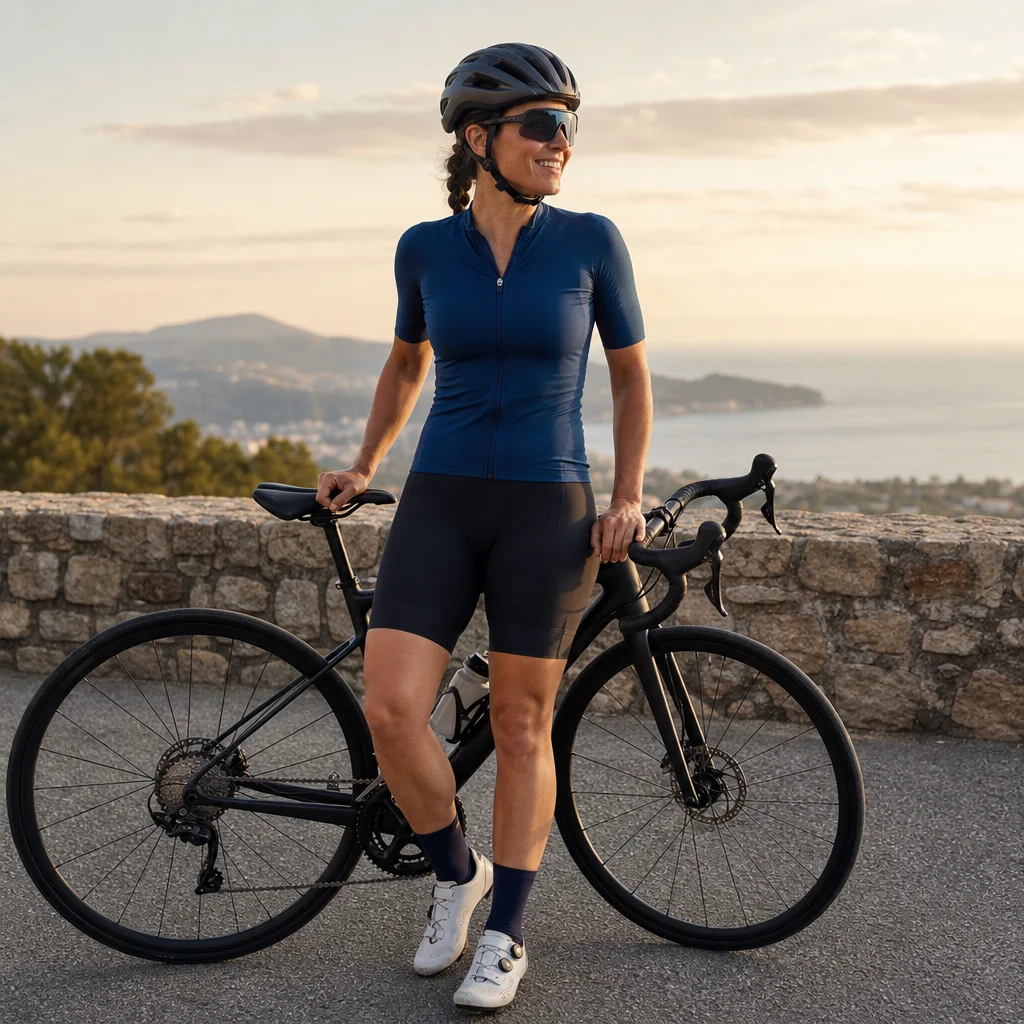
Getting food down before sunrise can be harder than riding the first few miles. You may be deciding between a full breakfast, a quick snack, or no food at all—while wondering whether your choice will leave you hungry, sluggish, or dealing with an uncomfortable stomach.
The most reliable approach isn't a perfect menu. It’s a repeatable routine that matches the ride ahead, your appetite, and the time available before you roll out. Treat early-morning fueling like bike maintenance: simple habits, tested in advance, prevent avoidable problems later.
Match breakfast to the ride
Your food needs depend mainly on three things: how long you’ll ride, how hard you’ll ride, and how much time you have to digest.
A short, easy ride may require little more than water and a small snack. A long or demanding ride usually benefits from carbohydrates before you start, followed by regular fueling during the ride. The harder you plan to work, the less sensible it is to rely on an empty stomach simply because the clock says it’s early.
As a starting point:
- Up to about an hour at an easy pace: You may be comfortable with water, coffee or tea if you normally drink it, and a small snack if you’re hungry.
- About one to two hours: Have a light carbohydrate-focused snack or small meal, especially if the ride includes hills, intervals, or a brisk group pace.
- More than two hours or a demanding ride: Give yourself a more substantial breakfast when possible, and carry food for the ride rather than expecting breakfast alone to cover the entire effort.
These are planning guidelines, not rules. Your normal eating pattern, body size, training status, and medical needs all affect what works.
Check your personal fueling limits: If you have diabetes, gastrointestinal disease, food allergies, a history of disordered eating, or medication-related dietary restrictions, get individualized advice from a qualified healthcare professional before changing your routine.
If you have 90 minutes or more
With plenty of time, you can eat a small meal that contains mostly familiar carbohydrates, with a moderate amount of protein and limited fat and fiber. This combination can provide useful energy without making breakfast unnecessarily heavy.
Good options include:
- Oatmeal with banana, honey, or maple syrup
- Toast with jam, plus yogurt if you tolerate dairy
- A bagel with a small amount of peanut or other nut butter
- Rice with eggs, if that already fits your normal eating habits
- Cereal with milk or a milk alternative and fruit
- A simple breakfast sandwich without a large amount of rich or greasy filling
You don’t need to force a huge breakfast. Eating until comfortably satisfied is usually more useful than trying to “stock up” in one sitting. A large meal can be difficult to digest, particularly when you’re about to spend several hours bent over a bicycle and moving at a steady effort.
If you’re planning a long ride, consider eating some of your breakfast later rather than putting everything into one meal. For example, you might have toast and fruit at home, then carry a bar or small sandwich to eat during the first part of the ride.
If you have 30 to 60 minutes
A shorter window calls for smaller portions and foods that you already know sit well. Focus on easy-to-eat carbohydrates and keep the serving modest.
Try one of these combinations:
- A banana and a slice of toast with jam
- Applesauce and a small cereal bar
- A rice cake with honey or syrup
- Half a bagel with jam
- A small bowl of low-fiber cereal
- A sports drink or diluted juice alongside a small snack
Some riders tolerate a little yogurt, milk, or a protein drink in this window. Others find that dairy, concentrated shakes, or high-protein foods feel heavy. There’s no benefit in copying someone else’s breakfast if it doesn’t agree with you.
Be cautious with foods that are high in fat, very fibrous, or unusually spicy right before riding. They aren’t automatically bad foods, but they tend to take more planning when your digestion has little time to work. A large serving of nuts, a greasy breakfast, or a bowl packed with bran may be better saved for after the ride if those foods regularly cause discomfort.
If you can barely eat after waking
A low appetite is common early in the morning. You don’t have to turn breakfast into a contest. Start with a few bites and make up the difference by carrying food for later.
An easy-to-drink option may be more manageable than solid food. You could try a small smoothie made with fruit and a familiar liquid, a drinkable yogurt, applesauce, or a sports drink. Keep the recipe simple the first few times. Adding large amounts of seeds, nut butter, protein powder, or raw vegetables can make a drink more filling but may also increase the chance of stomach trouble during the ride.
Another approach is to divide the meal:
- Eat a small snack shortly after waking.
- Take a second snack with you.
- Eat the second portion after 30 to 60 minutes, before you feel depleted.
This works especially well for riders who can’t tolerate a full meal but still have a long route ahead. It also creates a useful safety margin: you’re less dependent on finding food at a particular shop or hoping a café is open.
How much carbohydrate should you aim for?
For many recreational rides, a small pre-ride snack is enough when the intensity is low and the ride is brief. Longer or harder rides generally call for more carbohydrate before and during the effort.
Sports nutrition guidance often uses body-weight-based targets for carbohydrate before endurance exercise, but those numbers can be more precise than a beginner needs and may not suit every stomach. Start with a portion you can comfortably digest, then adjust based on the ride and your response.
A useful practical test is to compare two similar rides:
- On the first, eat a banana and toast.
- On the second, eat a small bowl of oatmeal or a bagel.
Notice your energy, hunger, stomach comfort, and performance—not just how you feel in the first 15 minutes. A breakfast that seems fine at the start may leave you hungry later, while one that feels slightly substantial at home may provide steadier energy once you’re riding.
Build a routine without surprising your stomach
The best pre-ride breakfast is usually the one you can prepare consistently and tolerate repeatedly. Save experiments for ordinary training rides, not an important event or a remote route.
Change one thing at a time. If you switch the food, serving size, coffee intake, and ride intensity all at once, you won’t know what caused a problem. Keep a brief note of:
- What you ate and how much
- When you ate it
- Coffee, tea, or other drinks
- Ride length and intensity
- Hunger, energy, and stomach comfort
After a few rides, patterns usually become clearer. You may find that you need more food before hills, less fiber when the start is close, or a second snack for rides longer than two hours.
Consistency also makes shopping and preparation easier. Keep a few dependable options available—such as bananas, bread, oats, rice cakes, or applesauce—so an early start doesn’t depend on an elaborate recipe. If you ride before work, prepare what you can the night before and portion it so you’re not making decisions while half-awake.
Don’t forget fluids and caffeine
Drink according to thirst and the conditions, with more attention to fluid needs in heat, humidity, or on longer rides. You don’t need to force a large volume immediately before leaving; that can create discomfort and an inconvenient need for a bathroom stop.
Caffeine can improve alertness for some people, but it’s not a required part of cycling nutrition. If you already drink coffee, keep the amount and timing familiar before a ride. Avoid using a new energy drink or a large caffeine dose for the first time on a long route. Products differ in caffeine content, and sensitivity varies.
For rides lasting several hours, carry food and drink even if you ate breakfast. Pack options you can use while moving or during a short stop, such as bars, bananas, sandwiches, chews, or other familiar foods. Check product labels for current serving sizes and caffeine amounts rather than assuming every bar or drink provides the same thing.
A simple early-ride plan
If you’re unsure where to begin, use this low-risk template:
- The night before: Decide how long and how hard you expect to ride. Set out one familiar breakfast and at least one ride snack.
- 60 to 90 minutes before: Eat a modest meal such as oatmeal with banana or toast with yogurt.
- 30 minutes before: If you have little appetite, choose a small snack such as a banana, applesauce, or toast with jam.
- During the ride: Carry additional food for anything longer than a short, easy spin, and start eating before you become noticeably hungry.
- Afterward: Have a normal meal containing carbohydrates, protein, and fluids rather than treating the pre-ride meal as your only recovery plan.
The goal isn't to find a magical breakfast. It’s to create a dependable system that keeps your energy steady, reduces gastrointestinal surprises, and still works when the alarm rings early.
Practical next steps
For your next three early rides, choose one familiar option and keep the portion and timing similar. Record how you feel during the first hour, then make one small adjustment: more food, less food, an earlier meal, or a different texture.
Once you’ve found a breakfast that works, repeat it on normal training rides until it becomes routine. Carry a backup snack, avoid last-minute experiments, and let the distance and intensity—not cycling folklore—determine how much preparation you need.