How Much Should You Eat on a Ride Longer Than Two Hours?
I’ll help you estimate how much carbohydrate to carry for rides longer than two hours, then adjust the plan for pace, heat, duration, and stomach tolerance. You’ll get practical targets, food examples, and a simple way to refine your intake without overpacking.
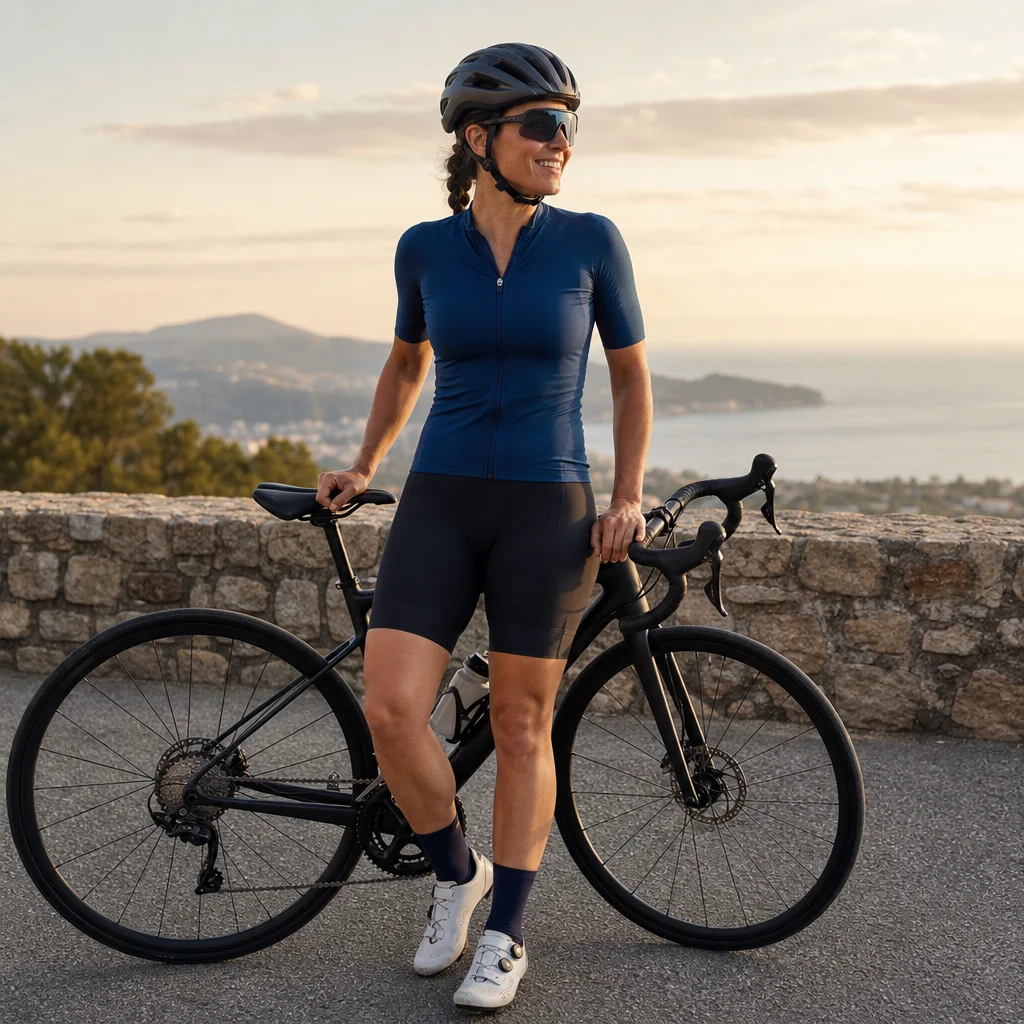
A ride longer than two hours can expose a weak fueling plan quickly. You may start feeling fine, then lose power, become unusually irritable, or struggle to finish even though your legs seemed ready earlier. The solution isn’t to eat constantly without a plan; it’s to match your intake to the ride and practice tolerating it.
For most intermediate recreational riders, a useful starting point is 30–60 grams of carbohydrate per hour, beginning early and continuing throughout the ride. Longer, harder rides may justify more, but your personal target depends on intensity, duration, weather, body size, training, and how well your stomach handles food.
Start with a carbohydrate target
Carbohydrate is the main nutrient to plan during a long ride because it supports the higher-intensity work involved in climbing, rolling into a headwind, and maintaining speed. Your body stores some carbohydrate as glycogen, but those stores are limited.
Use these ranges as starting points rather than strict rules:
- 30–45 grams per hour: An easy-to-moderate ride, especially if you’ve eaten a substantial meal beforehand.
- 45–60 grams per hour: A steady endurance ride, a hilly route, or a ride lasting several hours.
- 60–90 grams per hour: A long or demanding ride, particularly when intensity stays high. This range usually requires practice and a deliberate combination of carbohydrate sources.
A two-and-a-half-hour ride at a relaxed pace doesn’t necessarily require the same intake as a four-hour ride with repeated climbs. Duration matters, but effort matters too.
Avoid treating these numbers as a calorie competition. More fuel isn’t automatically better if it causes nausea, bloating, or an uncomfortable amount of food in your pockets. The best plan is one that supports the ride and remains manageable.
Eat before you feel hungry
Your first on-bike food should usually arrive within the first 30–45 minutes, even if you feel fresh. Waiting until hunger appears often means you’re already trying to correct a shortfall.
After that, divide your hourly target into small portions. For example, a target of 45 grams per hour could come from:
- A small snack providing about 20–25 grams of carbohydrate every 30 minutes
- One bottle with carbohydrate plus a small solid snack
- A gel, half an energy bar, or other familiar food at regular intervals
Small, frequent amounts are often easier to tolerate than a large serving eaten after several hours. Set a timer if you tend to forget while riding, or use landmarks such as the start of each hour.
You don’t need to follow a rigid schedule down to the minute. The goal is to make eating routine enough that you don’t depend on appetite, which can fade during hard efforts or hot weather.
Build a plan from foods you can actually eat
Commercial products are convenient, but they aren’t the only option. Choose foods that are portable, easy to open, and familiar to your stomach.
Carbohydrate-rich ride foods
Depending on your preferences and route, options include:
- Energy gels or chews
- Sports drink
- Bananas
- Jam or honey sandwiches
- Rice cakes
- Pretzels
- Dried fruit
- Oat or cereal bars
- Small portions of cookies or other low-fibre snacks
Check the nutrition label on packaged foods rather than guessing. A bar that looks substantial may provide only a modest amount of carbohydrate, while a bottle of sports drink may contribute more than expected.
Solid foods can feel satisfying during easier riding, while gels and drinks are often easier to consume during climbs or harder efforts. Many riders do best with a combination: some solid food for variety, plus liquid or quick carbohydrate for convenience.
Fat and protein aren’t forbidden, but large amounts can slow digestion. A small amount of peanut butter, nuts, cheese, or protein in a snack may work well on a relaxed endurance ride. During intense sections, simpler, lower-fibre foods are generally easier to manage.
Adjust intake to the ride
Duration
For a ride just over two hours, you may not need an elaborate nutrition system. Eat a normal pre-ride meal, carry enough for roughly 30–60 grams per hour, and keep a little extra in reserve.
As the ride approaches three, four, or more hours, consistency becomes more important. You’ll have more time for a small hourly deficit to accumulate, and you may need to carry additional food or plan a reliable resupply stop.
Intensity
Easy social riding usually allows more flexibility. A sustained tempo, long climb, or event-paced ride increases the value of starting early and staying near the higher end of your comfortable range.
If you’re doing intervals during a long ride, fuel before the demanding section instead of waiting until afterward. Carbohydrate consumed shortly before hard work may be more useful than the same food eaten once you’re already depleted.
Heat and humidity
Hot conditions can reduce appetite and increase fluid losses. Don’t respond by forcing down large amounts of concentrated food. Use smaller portions, dilute drinks according to their directions, and choose foods that remain palatable in the heat.
Fueling and hydration are related but separate decisions. Drinking more water doesn’t replace carbohydrate, and eating more doesn’t replace fluids. Your fluid needs vary with temperature, clothing, pace, and sweat rate, so avoid copying another rider’s exact bottle plan.
Hills and altitude
A hilly route can raise energy demand even when the average speed is modest. Eat during easier sections before a major climb, when breathing is controlled and handling a wrapper is less distracting.
At altitude, appetite and exertion can change, and weather may be less predictable. Keep the plan simple, carry a dependable reserve, and avoid relying on a single shop or water stop unless you know it will be available.
Check your ride-day conditions: Before setting your final food and drink plan, confirm the route’s resupply points, expected temperature, distance, and any event-specific support rules. Treat those details as changeable rather than assuming last season’s information still applies.
Decide whether you can tolerate 60–90 grams per hour
Higher carbohydrate intake can be useful for very long or demanding rides, but it isn’t a target you should suddenly adopt on event day. Some riders can comfortably absorb higher amounts when products contain different types of carbohydrate, while others develop cramping or diarrhoea well below that level.
If you want to increase intake, train your gut gradually:
- Start with an amount you can tolerate reliably, such as 30–45 grams per hour.
- Use that target on several ordinary long rides.
- Increase by a small amount on later rides.
- Keep the food, drink concentration, and effort noted so you can identify what caused a problem.
- Stop increasing if symptoms persist, and simplify the plan before trying again.
Avoid testing a new gel, unusual food, or concentrated drink during a goal ride. The combination of heat, high intensity, anxiety, and unfamiliar products can create stomach trouble even when each factor seemed harmless by itself.
Plan the meal before the ride
A ride longer than two hours is easier to fuel when you don’t begin underfed. A meal containing carbohydrate a few hours beforehand can provide a useful base. Include foods you already know you digest well, and keep fibre, fat, and unusually large portions moderate if they tend to upset your stomach.
If you ride early, a smaller snack may be more realistic than a full meal. The important point isn't to force a particular breakfast; it’s to find a repeatable option that leaves you comfortable and gives you some carbohydrate before departure.
For a demanding ride, consider carrying more than the exact calculated minimum. A delayed start, unexpected headwind, closed shop, or slower group can extend the time you’re out. A reserve snack is inexpensive insurance, particularly on remote routes.
Recognize when the plan needs changing
Poor fueling can look like sudden weakness, difficulty concentrating, irritability, or a sharp drop in pace. These signs can also result from dehydration, overheating, illness, inadequate sleep, or pacing too hard, so don’t assume food is the only explanation.
Stomach distress is a different signal. Bloating, sloshing, reflux, cramps, or diarrhoea may mean you’re eating too much at once, drinking a beverage that’s too concentrated, taking in too much fibre or fat, or increasing carbohydrate faster than you can tolerate.
Record a few simple details after long rides:
- Planned and actual grams of carbohydrate per hour
- Foods and drinks used
- Ride duration and intensity
- Temperature and route difficulty
- Hunger, energy, and stomach comfort
Patterns will usually be more useful than one isolated ride. You may discover that your ideal intake is lower on easy days, higher on hard days, and best delivered through a different mix of solid food and drink.
If you have diabetes, a gastrointestinal condition, a history of disordered eating, or another medical concern affecting food or exercise, get individualized guidance from a qualified healthcare professional before making major changes to your ride-fueling plan.
A simple starting plan
For your next ride longer than two hours, try this approach:
- Eat a familiar carbohydrate-containing meal or snack before leaving.
- Carry enough food and drink to provide about 30–60 grams of carbohydrate per hour.
- Begin eating during the first 30–45 minutes.
- Take small portions regularly instead of waiting for hunger.
- Use easier-to-digest foods during hard efforts and save more substantial snacks for relaxed sections.
- Carry a reserve portion if the route is remote or the schedule is uncertain.
- Review your energy and stomach comfort afterward, then adjust one factor at a time.
Start with consistency, not perfection. A moderate plan that you can follow every hour will usually serve you better than an ambitious target that leaves your pockets full and your stomach unhappy.