How to Hydrate on a Short Ride Without Carrying Too Much
Short rides don’t always require a fully loaded bike: duration, heat, route access, and your own fluid needs determine the sensible setup. I’ll show you how one bottle, a refill stop, or extra capacity can fit together without guesswork.
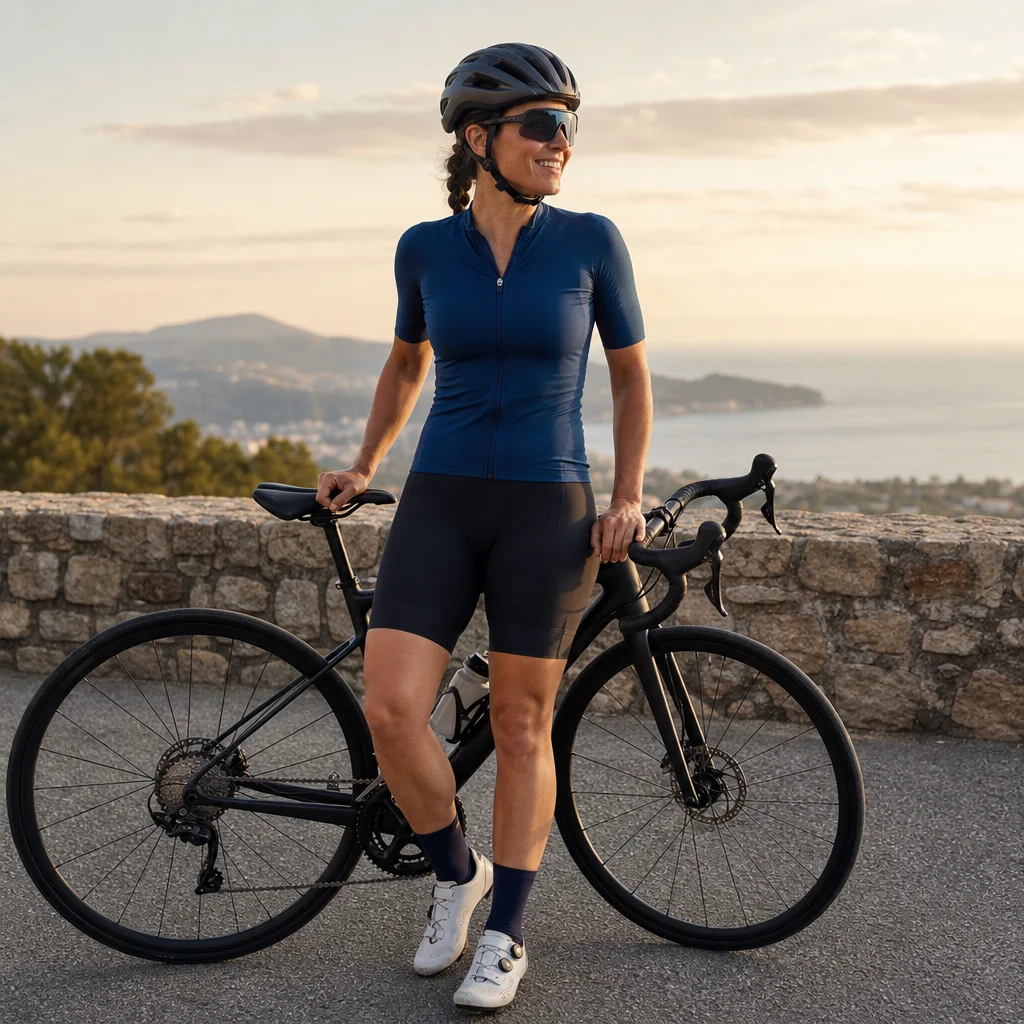
A short ride can still leave you thirsty, especially when the route is hot, hilly, exposed, or harder than expected. The challenge is finding enough fluid for the conditions without turning a relaxed outing into a bike-loading exercise.
The right setup depends on more than mileage. Ride duration, temperature, humidity, intensity, access to safe refills, and your personal sweat rate all matter. For many beginner rides, one bottle is enough. For others, the better choice is planning a refill stop or carrying a small amount of extra fluid.
Start with the ride, not the bottle
Before deciding what to carry, estimate how the ride will actually unfold. A 45-minute spin on a familiar flat route is different from a 60-minute ride into a headwind with several climbs and no services.
Consider these factors:
- Expected duration: Include stops, navigation errors, and the possibility of riding more slowly than planned.
- Weather: Heat, humidity, sun exposure, and wind can all increase fluid needs or make the ride feel harder.
- Effort: Easy riding generally creates less fluid loss than sustained climbing, fast group riding, or repeated hard efforts.
- Route access: A store, café, public fountain, or other reliable source can reduce how much you need to carry.
- Personal needs: Some riders sweat heavily, use medication that affects hydration, or have a medical condition requiring individual advice.
Distance is a weak hydration shortcut. Ten miles can take 35 minutes on a flat route or well over an hour on a hilly one. Plan around time and conditions first, then use distance as a secondary reference.
When one bottle is the sensible choice
One standard cycling bottle is often a good starting point for a short, uncomplicated ride. It keeps the bike light, avoids unnecessary gear, and gives you a useful reserve if you become thirsty before returning home.
One bottle makes particular sense when:
- The ride should take about an hour or less.
- The weather is mild or only moderately warm.
- You’ll be riding at an easy or conversational pace.
- You know the route and can return easily if conditions change.
- You’re starting normally hydrated and aren’t combining the ride with another demanding activity.
A bottle in the roughly 20- to 28-ounce range may be adequate for this type of outing, but capacity alone doesn’t determine whether the plan works. A smaller bottle might be enough for a cool, easy ride, while a larger one may be useful in warm weather or on a route with no refill options.
Drink according to thirst rather than forcing yourself to empty the bottle on a schedule. Thirst isn't the only signal to consider, but deliberately drinking far beyond what you want can also create problems. Your goal is to support the ride, not to prove that you can finish a certain volume.
When a refill stop beats a second bottle
A planned refill stop is often the best compromise between carrying too little and carrying everything from home. You can begin with one bottle, top it up partway through, and avoid mounting extra cages or filling a backpack.
This approach works well when:
- The route has a dependable water source at a known point.
- You’re riding long enough that one bottle may not last, but not so remotely that you need a large reserve.
- The weather is warm and carrying all your fluid from the start would add unnecessary weight.
- You’re comfortable stopping briefly rather than treating the ride as completely uninterrupted.
Treat a refill stop as part of the route plan, not as an assumption. A business may be closed, a fountain may be out of service, or a detour may place the stop farther away than expected. If the ride is hot or remote, carry enough to reach the next reliable option rather than relying on a single possible source.
If you buy a drink, choose something you already tolerate well. A short ride usually doesn’t require a complicated sports product, and trying an unfamiliar drink in hot weather can be an avoidable experiment.
Check your refill plan: Before leaving, confirm the day’s forecast, heat advisories, opening hours, and water access along the route. Have a fallback point or enough fluid to return safely if the planned stop isn’t available.
When carrying extra fluid is justified
Extra capacity is reasonable when the consequences of running out are significant. That doesn’t mean you need to fill every available mount. It means the route and conditions deserve a larger margin.
Carry more from the start when:
- The ride may extend well beyond your original estimate.
- The route is exposed, remote, or difficult to leave quickly.
- Temperatures are high or humidity is making cooling difficult.
- You’ll be climbing, riding hard, or spending several hours outside.
- There are no reliable refill points.
- You tend to sweat heavily or have previously run short on similar rides.
Your options include a second bottle, larger bottles, or a hydration pack. Each has trade-offs.
Two bottles
Two bottles are simple and balanced if your bike has the capacity. You can carry water in one and an electrolyte drink in the other, or keep both identical for convenience. The main disadvantages are added weight and the need for suitable frame space.
Larger bottles
Larger bottles increase capacity without requiring a backpack. They can be a good fit for warm routes with limited access, although they may be harder to fit in some frames and can be less convenient to remove while riding.
Hydration packs
A pack can add substantial capacity and make drinking easy on rough roads. It also places weight on your back, which some riders find hot or distracting. For a short road ride, it may be unnecessary unless you need the capacity or are carrying other equipment as well.
The lightest option isn’t automatically the best option. A slightly heavier bike is usually a minor inconvenience compared with becoming overheated far from help.
Match the drink to the ride
For an easy short ride, plain water may be sufficient. If you’re riding in substantial heat, sweating heavily, or extending the ride beyond your usual duration, an electrolyte drink may be useful, particularly if it helps you drink enough and replaces some of the sodium lost in sweat.
Electrolytes don’t make excessive drinking safe, and they don’t replace food when you need energy. They’re one tool, not a reason to consume a large volume automatically.
For rides that last longer or include significant effort, consider whether you’ll need a small snack as well. A drink can help with fluid intake, but it may not provide enough carbohydrate to sustain harder riding. Keep the plan simple and use products you’ve tested during ordinary training rather than introducing several new items at once.
If you have kidney, heart, or other health conditions, take medication that affects fluid balance, or have been given specific hydration instructions, follow advice from a qualified healthcare professional instead of general cycling guidance.
Avoid these common short-ride mistakes
Leaving already dehydrated
Starting thirsty after a hot day, a long work shift, or poor sleep gives you less margin. Drink normally during the day and have a reasonable amount with your meal or before the ride. There’s no benefit to forcing down a large volume immediately before rolling out.
Treating the weather forecast as the whole story
A forecast temperature doesn’t capture direct sun, humidity, wind, shade, or the heat stored by pavement. A calm, humid route can feel very different from a breezy ride at the same temperature.
Assuming a shop or fountain will be available
Access changes. A familiar stop may be closed, crowded, broken, or outside your route after a detour. For warm-weather rides, build in enough reserve to handle one failed assumption.
Waiting until you feel unwell
Thirst, dry mouth, unusual fatigue, headache, dizziness, chills, confusion, and a sudden drop in performance deserve attention. Stop in a safe place, cool down, and seek help if symptoms are severe, worsening, or include confusion, fainting, or loss of coordination. Don’t try to push through signs of possible heat illness.
A simple decision process
Use this sequence before a short ride:
- Estimate the real duration, including likely stops and route uncertainty.
- Assess the conditions, especially heat, humidity, sun, wind, and climbing.
- Identify reliable refill points and decide what you’ll do if one is unavailable.
- Choose the smallest setup with a useful margin: usually one bottle, a bottle plus refill, or extra capacity for remote and hot routes.
- Pack for your personal needs, including an appropriate drink and any required supplies.
- Reassess during the ride. Turn back, stop, or refill before discomfort becomes a serious problem.
For a mild, familiar ride of around an hour or less, one bottle is often the sensible default. Add a planned refill when access is reliable and the route is longer or warmer. Carry extra when heat, effort, remoteness, or personal experience makes running short a meaningful risk. The aim isn't maximum capacity—it’s enough fluid to keep your options open without carrying more than the ride requires.