How Much Water Do You Need for a Moderate-Length Ride?
On a moderate ride, one bottle may be enough—or leave you searching for water halfway through. I’ll show you how to estimate fluid needs from time, conditions, effort, refill options, and your own response without relying on a rigid number.
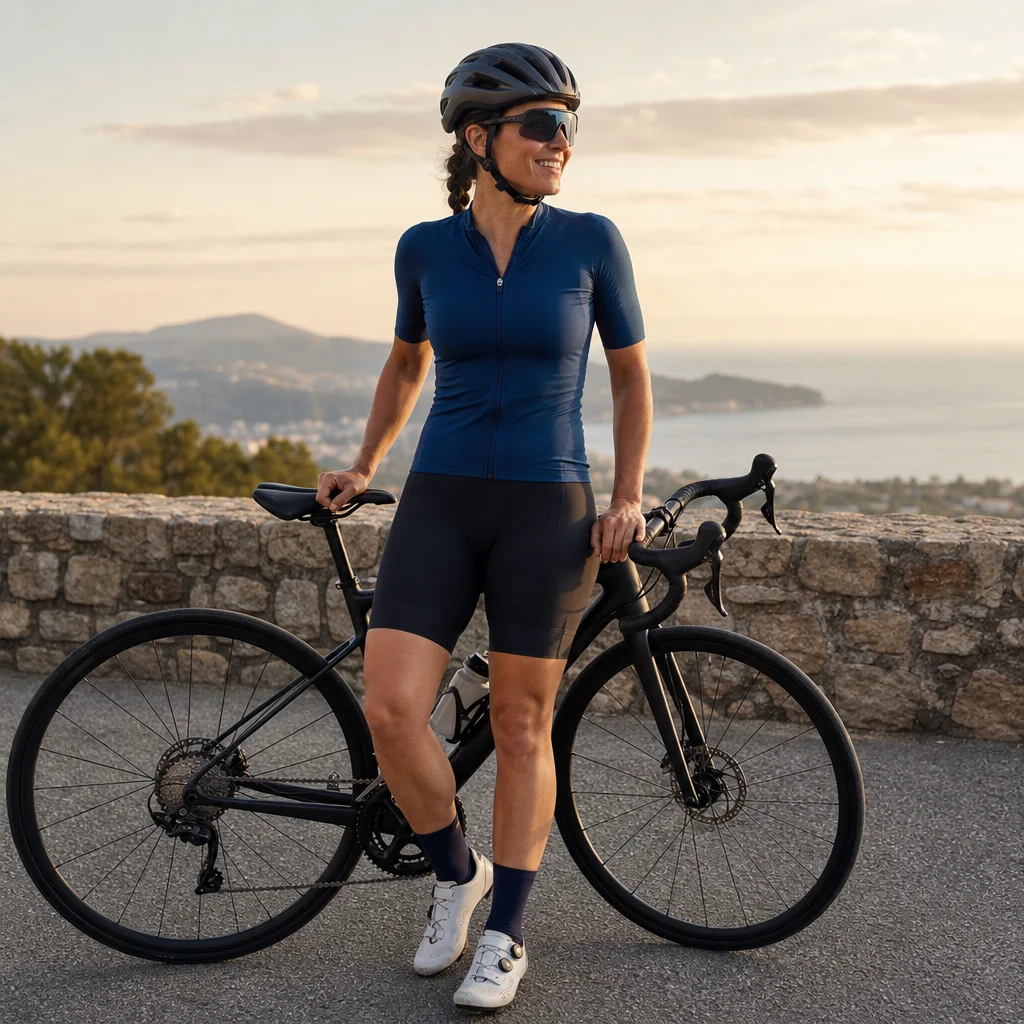
A moderate-length ride can be deceptively difficult to plan for. A two-hour outing in cool weather may require much less water than a shorter ride into heat, wind, or sustained climbing. Your pace, clothing, sweat rate, and access to refills all matter.
The goal isn’t to drink as much as possible. It’s to start hydrated, replace a sensible portion of what you lose, and build a repeatable system that keeps you comfortable without carrying unnecessary weight or running dry.
Start with ride time, not distance
Distance can be misleading. A 25-mile ride on flat roads may take less time than a 15-mile route with long climbs, traffic, or rough pavement. Estimate your likely time moving and include stops if they affect how long you’ll be away from reliable water.
As a starting point, many recreational riders can plan around one 20- to 24-ounce bottle per hour in mild conditions. That is a planning range, not a prescription. Some riders need less, while others may need more during hot, humid, or demanding rides.
For a moderate ride, a rough starting plan might look like this:
- About one hour: One bottle is usually a reasonable precaution, even if you don’t expect to finish it.
- Ninety minutes to two hours: Carry one large bottle or two smaller bottles, depending on temperature, effort, and refill access.
- Two to three hours: Plan your initial bottles and at least one dependable refill option, especially in warm conditions.
Treat these estimates as logistics rather than a target you must finish. If you return with a large amount left, your next plan can be lighter. If you finish completely dry or feel unusually thirsty, increase your supply or add a refill stop.
Adjust the estimate for conditions
Your water requirement changes with how quickly your body loses fluid. Four factors deserve particular attention.
Temperature and humidity
Heat increases sweat loss, but humidity matters too. In humid weather, sweat may evaporate less effectively, so you can feel hot and uncomfortable even when your clothing looks only slightly damp. Direct sun and a lack of shade can also increase your needs.
In cool, dry weather, you may sweat less but still lose fluid steadily. Cold air can reduce your sense of thirst, and breathing dry air adds to fluid loss. Don’t assume a cool ride requires no water.
Intensity and climbing
A relaxed spin usually produces less sweat than repeated hard efforts. Long climbs, fast group riding, headwinds, and frequent accelerations can turn a moderate-distance ride into a high-fluid-loss session.
If you’re working hard enough that conversation becomes difficult, use the higher end of your normal range and pay closer attention to thirst and dry mouth. A route with sustained climbing may need more water than a longer but easy ride.
Clothing and exposure
Dark or heavy clothing, extra layers, and poor ventilation can make you sweat more. A helmet, gloves, and tight-fitting kit are useful riding equipment, but they don’t eliminate the need to account for heat buildup.
If conditions are changing, such as a cool start followed by a sunny afternoon, carry enough for the warmest part of the ride rather than the temperature at departure.
Refill access
A water fountain, convenience store, café, public facility, or a planned stop can change how much you need to carry. But don’t count on an unconfirmed source, especially on weekends, holidays, rural routes, or during seasonal closures.
A refill plan should include both the location and the approximate time you’ll reach it. Knowing that water exists somewhere along the route is less useful if it’s still 10 miles away when your bottles are empty.
Confirm your refill plan: Before you leave, check the route’s open water sources, store hours, and any access restrictions. If the next dependable refill is uncertain, carry enough to reach a confirmed option rather than treating a possible fountain as part of your supply.
Use your own sweat rate for a better estimate
A simple sweat-rate test gives you a more personal starting point than a generic bottle rule. You don’t need laboratory equipment; a bathroom scale, measured bottles, and a repeatable route are enough.
Try this on a ride that resembles the conditions you want to plan for:
- Weigh yourself without wet clothing immediately before riding.
- Record how much fluid you carry and how much you drink.
- Ride for a known period, noting the temperature, humidity, intensity, clothing, and route profile.
- Weigh yourself again after drying off and removing sweaty clothing.
- Compare the change in body weight with the fluid you drank.
A useful approximation is:
Sweat loss = body-weight loss + fluid consumed − urine produced
When using pounds and fluid ounces, one pound of body-weight change is roughly equivalent to 16 fluid ounces of water. For example, if you lose one pound during a two-hour ride and drink 24 ounces, your estimated sweat loss is about 40 ounces, or approximately 20 ounces per hour, assuming you didn’t urinate during the ride.
The result is an estimate, not a command to replace every ounce. The test helps you understand your likely losses and choose a reasonable carrying amount. Repeat it in different conditions because sweat rates can change substantially between a cool spring ride and a hot summer outing.
Avoid weighing yourself while dehydrated or turning the test into a performance challenge. Large changes in body weight, dizziness, confusion, vomiting, severe headache, or other concerning symptoms call for stopping, cooling down, and seeking appropriate medical help rather than simply drinking more.
Don’t confuse thirst with a failure
Thirst is useful information, but it isn’t a perfect measurement. You may not notice it quickly during a focused ride, particularly in cool weather. On the other hand, forcing fluid continuously when you aren’t thirsty can leave you carrying extra weight and, in extreme cases, contribute to dangerously low blood sodium.
For most moderate rides, a sensible approach is to drink small amounts regularly and respond to thirst, heat, and effort. You don’t need to maintain a completely full feeling or make every bottle disappear because the ride plan says so.
A practical rhythm is a few sips every 10 to 20 minutes, adjusted to your conditions and comfort. Smaller, regular drinks are often easier than waiting until you’re very thirsty and then trying to consume a large amount at once.
When water alone may not be enough
For a short, easy ride, plain water is often adequate, particularly if you’ve eaten normally beforehand. As duration, heat, and sweat loss increase, sodium and carbohydrates may become useful as part of your overall fueling plan.
Electrolyte drinks can help some riders replace sodium lost in sweat and make drinking more appealing. They don’t automatically solve every hydration problem, and their formulas vary widely. Read the label so you know how much fluid, sodium, sugar, and other ingredients you’re actually carrying.
If you’re riding for several hours, sweating heavily, or eating very little, consider your fluid and fueling plans together. Water replaces fluid; food or a sports drink can provide energy; electrolytes may be relevant when sweat losses are substantial. These functions overlap, but they aren’t interchangeable.
If you have a medical condition, take medication that affects fluid balance, or have been given specific drinking advice by a clinician, use that advice instead of a general cycling estimate.
Make the system reliable
Good hydration planning is partly a maintenance habit. A bottle that smells bad, leaks into your frame bag, or is difficult to remove at speed is less useful than its capacity suggests.
Before each ride, check that:
- Bottles are clean, odor-free, and securely capped.
- Bottle cages hold the bottles firmly without making them difficult to remove.
- The planned amount fits your frame, clothing, and other essential gear.
- Any water filter, soft flask, or collapsible bottle you rely on is working.
- You have a backup option if the main refill point is closed.
Wash bottles promptly after rides, particularly when they contain sports drink. Follow the manufacturer’s cleaning instructions, and replace bottles or caps when they remain cracked, difficult to clean, or persistently odorous. Reliable equipment makes it easier to drink consistently and reduces the temptation to skip water because the setup is inconvenient.
A simple planning example
Suppose you’re planning a two-hour ride in mild weather with moderate effort and a confirmed refill near the halfway point. Starting with two 20-ounce bottles may be more than enough for many riders, with the refill serving as a backup or allowing you to leave with less water.
Now change the conditions: the same route is exposed, warmer than expected, and includes a long climb before the refill. You might start with two larger bottles, move the refill earlier if possible, or choose a route with more dependable access. The distance hasn’t changed, but the risk of running short has.
Finally, if your sweat-rate test suggests you lose close to 25 ounces per hour in those conditions, a single 20-ounce bottle for the entire ride is clearly a poor plan. The test doesn’t require you to replace all 50 ounces exactly, but it tells you that additional water, a refill, or a cooler route is sensible.
Your next-ride checklist
Before setting out, answer four questions:
- How long will I realistically be away from home?
- How hot, humid, exposed, and intense will the ride be?
- Where are the confirmed refill points, and when will I reach them?
- What has my own sweat response shown me in similar conditions?
Start with a conservative amount, drink steadily without forcing it, and note what remains when you return. Over several rides, those observations will give you a more dependable plan than a universal bottle count. The result is less guesswork, fewer unnecessary stops, and a hydration setup you can trust as your routes and conditions change.