Cycling Hydration Bottles: One Large Bottle or Two Small Ones
When your frame, route, or weather makes bottle capacity a real choice, I’ll help you compare one large bottle with two small ones using practical factors such as refills, weight, and ride length.
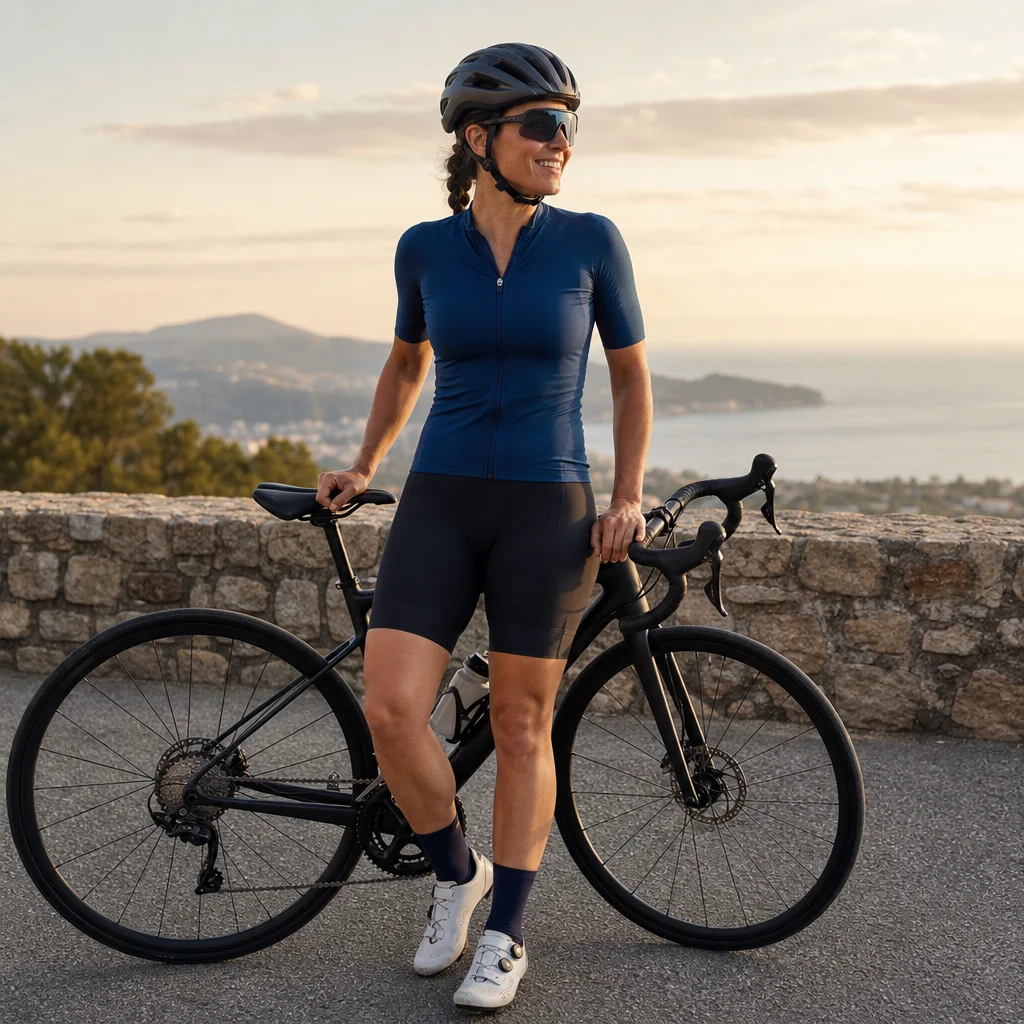
Choosing between one large cycling bottle and two small ones seems simple until your route, frame, and weather change the calculation. The larger bottle may give you more water with less equipment, while two smaller bottles can make carrying, drinking, and refilling easier.
There isn’t one correct setup for every ride. The sensible choice depends on how long you’ll be away from a refill, how much fluid you expect to need, how much space your frame allows, and whether you value simplicity or flexibility.
Start with the refill question
The most important question isn't how many bottles fit on your bike. It’s how long you’ll go between reliable opportunities to refill them.
For a short ride through an area with open stores, public fountains, or known water stops, a single bottle may be enough. You can leave with less weight and top up during the ride. If you’re riding a rural route, heading into hot weather, or using a route with uncertain services, carrying more capacity gives you a larger margin.
A large bottle is useful when you need maximum capacity without adding another cage and bottle. Two smaller bottles are useful when you want to divide that capacity between two containers and keep one available if the other develops a problem or becomes contaminated.
Think in terms of the longest gap between refills, not just the total ride distance. A 30-mile ride with regular access to water may require less starting capacity than a shorter route through an isolated area.
Check the route before you fill up: Confirm that stores, fountains, and other refill points will be accessible when you pass them. Opening hours, seasonal closures, and event restrictions can change, so don’t treat a map marker as a guaranteed water source.
One large bottle: simple and efficient
A single large bottle gives you a straightforward setup. You fill one container, place it in one cage, and have fewer parts to clean, carry, and remember.
This option works particularly well when:
- Your bike has room for only one bottle and cage
- Your route has a predictable refill point
- You prefer a clean, minimal setup
- You want to carry a larger volume without using two bottles
- Your frame has enough clearance for the bottle and cage
A large bottle can also be convenient for steady riding. There’s no need to decide which bottle to grab, and you can keep your only bottle in the most accessible position on the frame.
The trade-off is reduced flexibility. If you use the bottle for a sports drink, you can’t also carry plain water unless you bring another container. If the bottle falls out, leaks, or becomes difficult to use, you’ve lost your entire supply rather than part of it.
A large bottle may also be harder to fit on some smaller frames. The bottle itself can interfere with the top tube, seat tube, or frame-mounted accessories. A cage that works with a smaller bottle may not provide enough clearance for a taller or wider one.
Two small bottles: more flexibility
Two smaller bottles let you spread your water or drink mix across separate containers. That makes the setup adaptable without necessarily increasing total capacity.
Two bottles are often the better choice when:
- Your frame has two bottle-cage mounts
- You want plain water in one bottle and a carbohydrate or electrolyte drink in the other
- You prefer to alternate bottles while riding
- You want a backup if one bottle is lost or damaged
- You expect to refill one bottle while keeping the other available
They can also be easier to remove and replace, especially on a compact frame where a large bottle is difficult to clear. If your bike has limited space around the top tube or seat tube, two shorter bottles may fit where one tall bottle doesn't.
The main disadvantage is extra equipment. You’ll need two cages, two bottles, and more cleaning time. Two bottles can also add a small amount of weight compared with one bottle of similar total capacity, although the difference depends on the bottle and cage designs.
Two bottles don’t automatically mean more water. If each small bottle holds 20 ounces, the combined capacity is 40 ounces. A single large bottle holding 28 ounces would still carry less total fluid. Compare actual capacity rather than the number of bottles.
Compare total capacity, not bottle count
Bottle sizes vary, so use the volume printed on the bottle or listed by the manufacturer. Common cycling bottles are often sold in sizes around 20 to 28 ounces, but you should confirm the capacity of the specific bottles you’re considering.
For example:
- One 28-ounce bottle provides 28 ounces of capacity
- Two 20-ounce bottles provide 40 ounces in total
- Two 24-ounce bottles provide 48 ounces in total
- One 24-ounce bottle plus a refill can exceed either setup if water is readily available
The right amount depends on effort, temperature, clothing, route difficulty, and your individual needs. Avoid treating a fixed volume-per-hour rule as universal. Some riders need more fluid than others, and excessive drinking can also create problems.
For everyday recreational riding, use your thirst, the conditions, and the ride plan as practical signals. On longer or hotter rides, plan where you can refill rather than trying to solve every possibility with an increasingly heavy load.
Consider how the weight is distributed
Water is heavy, so a full bottle affects the bike more than an empty one. Two bottles divide that load between two locations, while one large bottle concentrates it in one cage.
In normal recreational riding, either setup should feel stable when the bottles are secured properly. The difference is more noticeable when riding rough roads, carrying a full load, or using a small frame with limited mounting options.
A large bottle mounted low on the down tube may keep its weight in a useful position, but the best location depends on your frame and cage. Two bottles can balance the load between the down tube and seat tube. On some bikes, however, a seat-tube bottle may be harder to reach or may conflict with a frame bag.
Try the setup with full bottles before a longer ride. Check whether the bottles rattle, strike the frame, interfere with your knees, or are difficult to remove while moving. A bottle that fits on the bike but can’t be reached safely isn't a successful setup.
Match the setup to your frame
Frame size and accessory placement often decide the issue for you.
Small frames may not have enough clearance for a large bottle on the seat tube. The bottle can hit the top tube when you pull it upward, or the cage may need to sit lower than the available mounts allow. A side-entry cage can help, but it may not solve every clearance problem.
Frame bags, pumps, tool containers, and top-tube storage can also occupy the space around a bottle cage. Two smaller bottles may provide more options, but adding a second cage can reduce room for other equipment.
Before buying bottles, measure the available space and check the cage-mount positions. Look at both the bottle height and the amount of room needed to remove it. If you already own a cage, confirm that it grips the new bottle securely; bottle diameters aren't always identical.
Decide whether you need separate drinks
Two bottles are especially useful if you want different contents. You might carry plain water in one and a prepared drink in the other, allowing you to choose based on the part of the ride or your preference.
This arrangement requires more attention to cleaning. Drinks containing sugar or other ingredients can leave residue, particularly around the cap and valve. Rinse bottles promptly after the ride and wash them according to the manufacturer’s instructions. Replace bottles or caps when they develop persistent odors, cracks, or damage.
If you only drink plain water and can refill regularly, the extra bottle may not provide much benefit. One large bottle can be easier to manage and may leave more room for a pump, tools, or a frame bag.
A simple decision guide
Choose one large bottle if you:
- Usually ride for a short or moderate duration
- Have dependable refill access
- Want the simplest possible setup
- Have one cage or limited frame space
- Prefer maximum capacity in one container
Choose two small bottles if you:
- Need more total capacity than one bottle provides
- Want to carry two different drinks
- Have two suitable cage mounts
- Ride routes with long gaps between refills
- Want to keep some water available if one bottle is lost or damaged
If you’re unsure, start with the setup that fits your current routes rather than your most demanding possible ride. You can add capacity for hot, remote, or unusually long outings instead of carrying extra weight every day.
Practical next steps
First, measure your frame and identify where a bottle cage can fit. Then note the longest refill-free section on your usual routes. Compare that distance with the total capacity of the bottles you already own.
Test the bottles full, not empty. Ride over a rough section, remove and replace each bottle, and check whether the cages hold them securely. Finally, clean the setup after the ride and pay attention to whether one large bottle or two small ones makes your routine easier.
For most riders, the best choice is the smallest, simplest setup that covers the route with a reasonable refill plan. Choose one large bottle for straightforward capacity; choose two small ones when flexibility, separate drinks, or extra total volume matters more.