Recovery After a Morning Ride When You Still Have Work to Do
I’ll help you build a simple post-ride routine that cools you down, replaces fluids and energy, and reduces stiffness without taking over your morning. The focus is on the small decisions that make getting through a workday easier after riding.
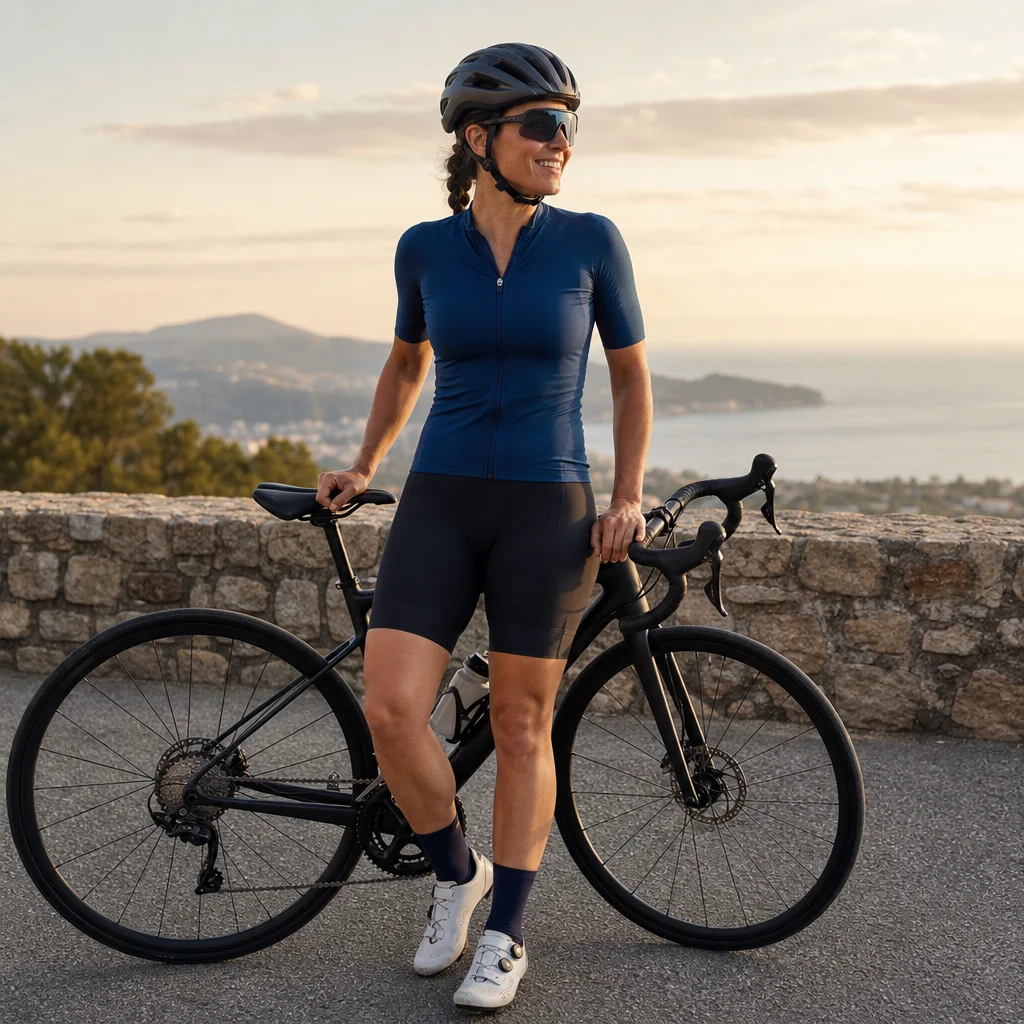
The ride may be finished, but your morning still has a second event: getting ready for work. If you rush from the bike to your desk, skip breakfast, or stay in damp clothing, the first few hours of the day can feel harder than the ride itself.
A useful recovery routine doesn’t need to be elaborate. You need to lower your effort gradually, drink and eat enough for the ride you completed, change into dry clothes, and keep your body moving gently rather than going straight from exertion to a chair.
Start recovery before you stop pedaling
Use the final five to 10 minutes of the ride as a transition. Shift into an easy gear, reduce your pace, and let your breathing settle. This is especially helpful after hills, intervals, or a hard commute, when stopping suddenly can leave you feeling lightheaded or unusually uncomfortable.
Keep your upper body relaxed as you finish. Unclench your hands, drop your shoulders, and avoid sprinting to the final corner simply because you’re nearly home. A calm finish gives you a better chance of arriving ready to eat, shower, and start work rather than needing several minutes to recover first.
If your route ends at the office, ride easily for the last section and allow a few minutes to change before work begins. If you ride at home, walk around briefly after parking instead of sitting down immediately.
Replace fluids without guessing too much
Drink soon after the ride, but let the amount match the conditions and your effort. A short, easy ride in cool weather may only require a normal glass of water with breakfast. A longer or harder ride, particularly in heat or humidity, will usually create a greater need to replace fluids.
Thirst, the weather, how heavily you sweat, and the color of your urine can all provide useful clues, although none is a perfect measurement. Sip steadily rather than forcing down a large amount at once. Drinking far beyond thirst can also make you uncomfortable and may leave you spending the morning looking for the nearest restroom.
For most ordinary morning rides, food and water are enough. An electrolyte drink can be useful when you’ve been sweating heavily or riding for a long time, but it isn’t automatically necessary after every trip around the neighborhood. Check the sugar and caffeine content if you’re trying to keep the drink from replacing breakfast or disrupting your normal routine.
Check your hydration plan: Before repeating the same drink and quantity each morning, consider the ride length, weather, sweat loss, and how you feel during the next few hours. Adjust gradually rather than treating a label’s serving suggestion as a personal requirement.
Eat for the ride you actually did
Your post-ride meal should reflect the work completed, not an imagined training session. After a short, easy ride, a regular breakfast may be all you need. After a longer ride or a harder effort, include both carbohydrates and protein so the meal replaces energy and keeps hunger from arriving halfway through your first meeting.
Convenient combinations include:
- Oatmeal with milk or yogurt and fruit
- Eggs on toast with a piece of fruit
- Greek yogurt with granola and berries
- A peanut butter and banana sandwich
- A breakfast burrito with eggs, beans, and a tortilla
- A smoothie made with fruit, yogurt or milk, and oats
You don’t need a special recovery product unless it solves a real logistical problem. A ready-to-drink shake or packaged snack can be useful when you have only a few minutes, but ordinary foods are often cheaper and easier to fit into a normal breakfast.
If solid food feels difficult immediately after a hard ride, start with something small and easy to consume, then eat more once you’ve showered and settled. Waiting too long because you’re not hungry can backfire, particularly when a busy morning makes your next meal uncertain.
Change out of riding clothes promptly
Damp clothing can make the transition to work feel colder, stickier, and less comfortable. Change as soon as it’s practical, especially if you’ve been sweating heavily. If you can’t shower at the office, use a washcloth or body wipes for your face, neck, underarms, and feet, then put on clean clothes.
Pack the details that make this possible:
- A clean shirt and underwear
- Deodorant and basic toiletries
- A small towel
- A plastic or waterproof bag for damp clothing
- A comb or hair product if needed
- Any work shoes, belt, or accessories you don’t want to ride in
Keep a backup set of clothes at work if your schedule and storage allow it. One forgotten bag or unexpected change in weather is less disruptive when you have a fallback.
Don’t wear tight cycling clothing for the rest of the morning just because changing feels inconvenient. It may be fine for a short errand, but loose, dry clothing usually makes sitting, walking, and concentrating more comfortable.
Reduce stiffness with gentle movement
The most useful post-ride movement is usually easy movement. Walk while you drink your coffee, take the longer route to the restroom, or stand for a few minutes while reading messages. These small breaks keep you from spending the first half of the day in the exact position you held on the bike.
You can also try a few gentle motions without forcing a stretch:
- Roll your shoulders slowly in both directions
- Turn your neck comfortably from side to side
- Extend and flex your ankles
- Stand and bend your knees through a small range of motion
- Take several relaxed breaths while letting your hands and jaw loosen
Stretching isn’t a requirement for recovery, and an aggressive stretch immediately after a demanding ride can leave you feeling worse. Avoid bouncing, forcing a painful range, or trying to “fix” a specific sore spot with intensity. The goal is to restore comfortable movement, not add another workout.
Set up your workday around your body
Your first work block can either help recovery or make stiffness more noticeable. If possible, alternate sitting and standing, keep both feet supported, and avoid hunching over a laptop for hours. A brief movement break every so often is more realistic than promising yourself one long stretch session later.
If you rode with a backpack, pay attention to your shoulders and lower back once you’re at your desk. Adjust the load for future rides if the bag leaves pressure points or changes your posture. A lighter load, better adjustment, or pannier may make more difference than adding recovery products.
Plan your lunch before the morning gets busy. A satisfying meal with carbohydrates, protein, and produce can prevent the familiar cycle of feeling fine at 9 a.m. and then becoming ravenous by noon. Keep a simple snack available if meetings or commute delays regularly separate breakfast from lunch.
Avoid the mistakes that make recovery harder
Treating every ride like a race
If you need to function at work, not every morning ride should be hard. Save some rides for a conversational pace, and finish demanding sessions with enough time to cool down, eat, and change without rushing. The fastest route isn’t always the most sustainable one.
Underestimating an easy ride in hot weather
Duration and intensity matter, but weather matters too. A relaxed ride in heat can leave you more depleted than a brisk ride on a cool morning. Carry enough water for the route and leave yourself time to cool down before dressing for work.
Relying on coffee instead of breakfast and fluids
Coffee can be part of your morning, but it shouldn’t be the only thing you consume after riding. Have water and food as well, particularly if you notice a headache, irritability, or a late-morning energy drop.
Sitting down while still overheated
A desk, car seat, or couch can be tempting when you arrive home. First give yourself a few minutes to cool down, drink, and change. You’ll usually be more comfortable once your body temperature and breathing have settled.
Ignoring pain because the schedule is busy
Normal post-ride fatigue should gradually improve as you eat, drink, and move through the morning. Sharp pain, worsening pain, significant swelling, fainting, unusual shortness of breath, chest discomfort, or symptoms that concern you aren't problems to push through for the sake of work. Stop and seek appropriate medical advice; urgent symptoms warrant urgent care.
A morning recovery routine you can repeat
For a typical ride, use this sequence:
- Ride the final minutes easily.
- Walk around briefly after stopping and let your breathing settle.
- Drink according to the ride, weather, and your thirst.
- Eat a normal breakfast with extra carbohydrates and protein when the ride was longer or harder.
- Shower or clean up and change into dry clothes.
- Move gently during the first part of the workday.
- Eat lunch on schedule and note how you felt during the morning.
After a few rides, you’ll learn which breakfast portions, clothing choices, and fluid amounts work best for your schedule. The aim isn’t to create a perfect routine. It’s to remove the preventable problems—rushing, staying wet, skipping food, and sitting still too soon—so your ride supports the rest of your day instead of competing with it.