What to Do the Day After Your First Very Long Ride
The day after a first very long ride can bring heavy legs, unusual soreness, poor appetite, and a bike that needs attention. I’ll help you sort normal recovery from warning signs while protecting your energy, sleep, and equipment for the next ride.
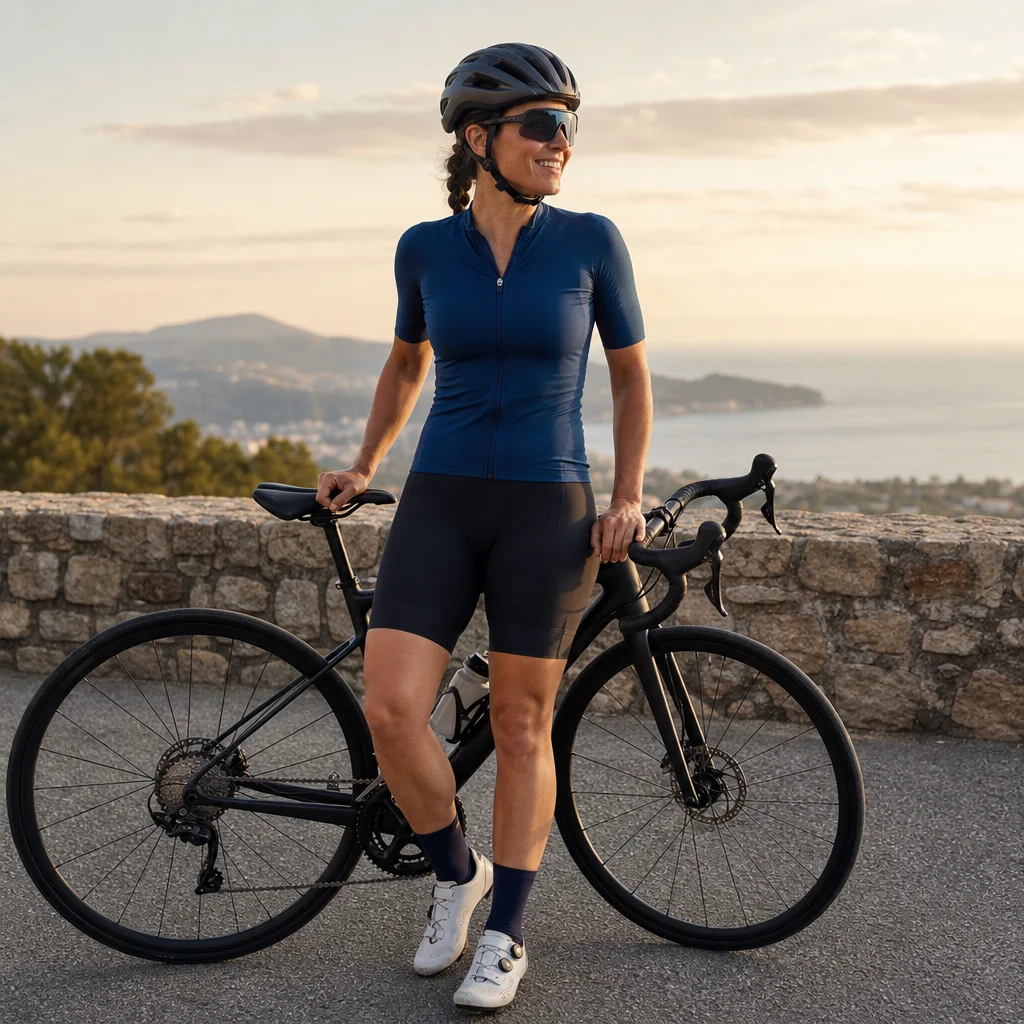
Your first very long ride may feel like an achievement when you finish and a small logistics problem the next morning. You might be hungry but dehydrated, stiff when you stand up, tired despite sleeping, or unsure whether a sore knee is ordinary fatigue or a sign that something went wrong.
The day after isn't the time to prove your toughness. It’s a chance to restore what you used, identify problems while they’re easy to address, and let your body and bike recover properly.
Start with a simple recovery check
Before making plans, take a few minutes to assess how you feel. Notice your energy, appetite, thirst, urine color, muscle soreness, joint pain, and any changes in your hands, feet, or skin.
General muscle heaviness and stiffness in the muscles you used most are common after an unfamiliar effort. Soreness that develops gradually and is most noticeable when you move can fit ordinary post-exercise soreness. Pain that is sharp, localized, worsening, or associated with swelling deserves more caution.
Also consider what happened during the ride. A long day in heat, strong wind, poor fueling, repeated climbs, or an uncomfortable position can change what recovery requires. Your body’s response is useful information for planning the next event, not a test you’ve passed or failed.
Eat normally, with enough carbohydrate and protein
Your first priority is to resume regular meals rather than chase a complicated recovery formula. Include carbohydrate-rich foods to replenish energy and a source of protein to support normal muscle repair. For example, you might choose oatmeal with yogurt, eggs with toast and fruit, rice with beans or chicken, or a sandwich with a side of fruit.
If your appetite is low, smaller meals and snacks may be easier than one large plate. A smoothie, yogurt, soup, cereal, or a simple sandwich can help you eat without making recovery another endurance event.
You don’t need to compensate for the ride by restricting food the next day. You also don’t need to force-feed yourself. Let hunger, your normal routine, and the size of the effort guide your intake, while remembering that appetite can lag behind the energy you used.
Replace fluids without overdoing it
Drink regularly with meals and throughout the day. Water is often enough for routine recovery, but a meal or drink containing sodium can be useful after heavy sweating, especially if the ride was hot or lasted many hours. Your needs depend on weather, sweat rate, body size, pace, and what you consumed during the ride.
Avoid treating urine color as a perfect measurement: supplements, medications, and certain foods can affect it. Very dark urine, persistent dizziness, confusion, vomiting, or an inability to keep fluids down aren't symptoms to ignore.
There is no advantage in rapidly forcing large amounts of plain water. Sip steadily, eat normally, and pay attention to how you feel.
Use gentle movement, not another workout
A short, easy walk can reduce the feeling of being locked up and gives you a chance to notice how your legs respond. Light mobility work may also help: ankle circles, gentle hip movement, easy range-of-motion exercises, and relaxed walking around the house are reasonable places to start.
Keep the effort easy enough that you could hold a normal conversation. A very gentle spin can be appropriate if you feel generally well, but it should be optional. Use a low gear, avoid hard climbs and intervals, and stop if pain changes your pedaling or becomes more intense.
The day after a long ride is usually a poor time for a hard strength session, fast group ride, or attempt to “ride the soreness out.” Movement should make you feel the same or slightly better afterward, not noticeably worse later that day or the following morning.
Separate muscle soreness from possible injury
Muscle soreness is often broad and affects both sides in a similar way. It may be uncomfortable when you sit down, climb stairs, or first get moving, then ease gradually.
Joint pain, tendon pain, numbness, tingling, bruising, instability, or a one-sided problem deserves closer attention. So does pain that appeared during the ride and caused you to alter your position or pedal stroke. Don’t use a recovery ride to test whether a significant injury has disappeared.
Know when recovery needs medical attention: Seek prompt medical advice for chest pain, trouble breathing, fainting, confusion, severe or worsening pain, major swelling, new weakness or numbness, repeated vomiting, or urine that is unusually dark or cola-colored after strenuous exercise. Emergency symptoms should be handled through your local emergency service. If you’re unsure whether a symptom is routine soreness, contact a qualified healthcare professional rather than relying on a cycling checklist.
Make sleep the main recovery tool
You may not sleep perfectly after a long ride. Heat, dehydration, late meals, soreness, or an unusually high level of fatigue can all interfere. Still, giving yourself enough time in bed is one of the most useful things you can do.
Keep the evening simple. Eat a normal meal, drink to thirst, address obvious discomfort, and reduce unnecessary stimulation before bed. If you’re stiff, try a warm shower or a few minutes of gentle movement rather than an aggressive stretching session.
A single poor night doesn’t necessarily indicate a problem, but persistent exhaustion is a reason to delay hard training. Recovery isn't complete just because your legs feel acceptable while walking around the house.
Inspect the bike while problems are easy to find
Your bike also completed the long ride. A short inspection the next day can prevent a small issue from becoming an inconvenient or unsafe one on your next outing.
Check the contact points and wheels
Look over both tires for cuts, embedded glass, exposed casing, or a slow leak. Check that the wheels spin without obvious rubbing or wobble, and confirm that quick-release levers or thru-axles are properly secured according to your bike’s design.
Inspect the brake pads and rims or rotors for unusual wear, contamination, or damage. Squeeze the brakes and confirm that the levers feel normal. If braking feels soft, inconsistent, or significantly different from usual, have the system checked before riding in traffic or on descents.
Clean and inspect the drivetrain
Wipe away road grit and dried sweat, particularly around the chain, cassette, derailleurs, bolts, and handlebar area. Sweat can contribute to corrosion over time, so drying the bike after a hot or humid ride is worthwhile.
Check that shifting is normal, the chain isn't stiff or damaged, and the pedals and crank turn smoothly. Lubricate the chain only after cleaning and drying it, using a lubricant suited to your riding conditions. Excess lubricant attracts grit.
Look for loose accessories, damaged bottle cages, frayed cables, and lights or computers that need charging. If you noticed a new creak, rubbing sound, slipping saddle, or shifting problem during the ride, record it while you still remember when and where it occurred.
Don’t guess about critical fasteners
A loose bottle cage is irritating; a loose stem, handlebar, saddle, wheel, or brake component can be dangerous. Use the manufacturer’s torque guidance when you have the correct tool, and ask a qualified bicycle mechanic if you’re uncertain. Avoid tightening carbon components by feel alone.
Turn the ride into useful information
Write down a few details while they’re fresh: total time, weather, what you ate and drank, where soreness developed, and whether any equipment caused discomfort. You don’t need a perfect training log. A few observations can reveal patterns.
If your hands went numb, your saddle caused persistent pain, or your feet felt compressed, check your position and contact points before repeating the same distance. If you ran out of energy, review your meal before the ride and how regularly you ate during it. If the bike developed a mechanical issue, fix it before increasing distance again.
Long rides expose weaknesses in preparation. Addressing one or two at a time is more useful than changing everything at once.
Decide whether you’re ready to ride again
Wait until normal walking and daily movement feel manageable, your energy is returning, and you can pedal smoothly without compensating for pain. Your next ride should be shorter and easier if the long ride was a major increase from your usual distance.
Start with a conservative route where you can turn back, carry enough basic supplies, and avoid committing to a demanding group pace. Treat any returning pain, unusual fatigue, or worsening symptoms as a reason to stop and reassess.
A good day-after plan is straightforward: eat regular food, replace fluids sensibly, move gently, sleep, inspect the bike, and pay attention to symptoms that don’t fit ordinary soreness. Then use what you learned to make the next long ride more comfortable—and more reliable for both you and your equipment.