How to Use Recovery Days Without Losing Momentum
When your legs feel heavy after a hard ride, the right recovery choice may be rest, walking, mobility, or an easy spin—not another test of willpower. I’ll explain how to recover productively while keeping your training moving forward.
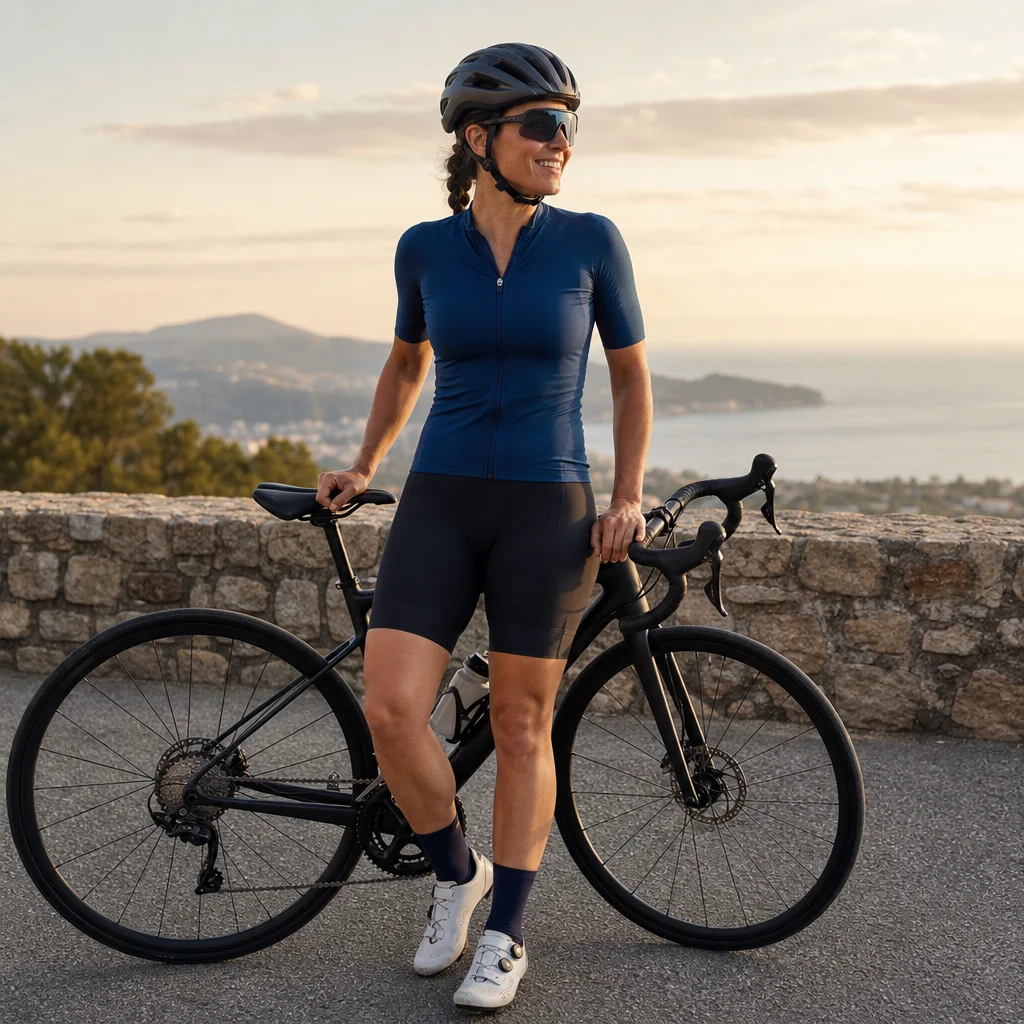
You finish a demanding ride with tired legs, a busy week ahead, and uncertainty about what to do next. Rest completely, and you may worry about losing fitness; ride again, and you may turn ordinary fatigue into a longer setback.
Recovery days aren’t missed training. They’re where your body absorbs training stress and where you decide how much movement will help rather than hinder. The useful question isn't “Can I do something?” but “What will leave me better prepared for my next important ride?”
What a recovery day is meant to do
A productive recovery day reduces accumulated fatigue without adding meaningful training stress. It gives your muscles, connective tissues, nervous system, and energy stores time to return toward normal.
That doesn’t always mean complete inactivity. Some riders feel better after gentle movement, while others need a quiet day with extra food and sleep. Both can be sensible choices.
The goal is to protect the quality of your next key session or ride. If an easy spin helps you arrive fresher, it supports momentum. If it becomes a disguised workout, it works against it.
Fitness doesn’t disappear because you take one or two easier days. In contrast, repeatedly training hard while under-recovered can reduce the quality of your riding and make minor aches harder to settle.
Start with a quick fatigue check
Before choosing an activity, consider four signals:
- Legs: Do they feel generally tired, or is there a specific sharp, worsening, or one-sided pain?
- Energy: Are you merely a little flat, or unusually drained even after eating and sleeping?
- Mood and motivation: Are you reluctant because the weather is poor, or because the thought of riding feels deeply unappealing?
- Whole-body symptoms: Do you have signs of illness, dizziness, unusual shortness of breath, or a headache that exercise could aggravate?
Normal training fatigue is usually broad and predictable. Your legs may feel heavy, stairs may seem harder than usual, and your enthusiasm may be lower after a demanding effort. Those signs generally call for reduced load, not a test of toughness.
A new, localized, or escalating symptom deserves more caution. Don’t use an easy ride as a way to diagnose an injury or illness.
Check today’s safety advice: If fatigue comes with chest pain, fainting, severe breathing difficulty, confusion, significant weakness, or concerning illness symptoms, stop exercising and seek prompt medical advice. For less urgent but persistent pain or unexplained fatigue, use current guidance from a qualified healthcare professional before resuming normal training.
Choose the least stressful option that helps
Recovery choices sit on a spectrum. Start with the option that matches your condition, then avoid adding intensity simply because you feel capable of it.
Complete rest
Choose complete rest when you’re unusually tired, sick, sleep-deprived, sore in a way that changes your movement, or carrying a specific pain that cycling may irritate.
Rest can include normal low-effort daily activities. You don’t need to remain in bed unless a healthcare professional has advised it. Keep the day simple: eat regular meals, drink normally, handle essential tasks, and prioritize sleep.
Complete rest is also appropriate after an unusually long ride, a hard event, or several consecutive training days. The more stress you accumulated, the less useful it is to force movement for the sake of maintaining a routine.
An easy walk
Walking is a good middle ground when you want to move but don’t feel ready to ride. It can break up a sedentary day without requiring cycling equipment, traffic awareness, or a commitment to stay out once you’ve started.
Keep the pace conversational and the route manageable. A short, flat walk is enough. If your legs feel worse as you continue, turn back rather than treating distance as a target.
Walking may be preferable to an easy spin when your cycling position aggravates your back, hands, neck, or hips. It’s also convenient when poor weather or a mechanical problem would make riding unnecessarily complicated.
Gentle mobility work
Mobility work can help you move comfortably, but it shouldn’t feel like a demanding flexibility session. Use slow, controlled movements through a comfortable range, such as gentle hip, ankle, thoracic, and shoulder mobility.
Avoid forcing a stretch into pain or bouncing at the end of a range. Recovery mobility isn't the time to prove how flexible you are. Five to fifteen easy minutes is plenty for most riders.
If a movement reliably reproduces a sharp or localized symptom, leave it out. A mobility routine shouldn’t be used to push through an injury.
An easy spin
An easy spin can suit you when you’re generally tired but not ill or injured, your energy is reasonable, and light movement tends to make your legs feel better. Keep it short and deliberately uncomplicated.
Use an easy gear, a relaxed cadence, and a route without steep climbs or competitive traffic. You should be able to speak in complete sentences. Avoid chasing speed, power, heart-rate numbers, or segment times.
If you use a cycling computer, consider hiding performance data for the ride. Numbers can turn a recovery outing into an unplanned evaluation. The useful result is that you finish feeling the same or better—not that you prove you could have gone harder.
Set boundaries before you begin
The easiest way for a recovery ride to become training is to make the decision after you’re already riding. Set limits in advance:
- Choose a maximum duration, such as 20 to 45 minutes, based on your normal training and fatigue.
- Select a flat or familiar route where you can return easily.
- Keep the effort below your usual endurance pace.
- Skip intervals, sprints, hard climbs, and “just one fast segment.”
- Stop if your legs feel progressively worse, your form changes, or a pain becomes more noticeable.
These boundaries matter most for riders who enjoy structure or competition. Discipline on a recovery day means following the purpose of the day, not squeezing extra work from it.
Adjust for the edge cases
After a very long or intense ride
The next day may not be enough for full recovery. You might choose complete rest first, then walking or a short easy spin when your appetite, sleep, and general energy improve. Don’t assume that because your legs feel loose after ten minutes, they’re ready for normal training.
After poor sleep
One bad night doesn’t automatically cancel a planned ride. But poor sleep combined with high fatigue, low motivation, or unusual irritability is a reason to reduce the session or rest. If short sleep becomes frequent, address the schedule, stress, food intake, or other factors rather than relying on more discipline.
When you’re sore
General muscle soreness after unfamiliar or demanding exercise is different from pain that is sharp, localized, worsening, or associated with swelling or altered movement. Gentle movement may suit ordinary soreness; pain with those other characteristics calls for caution and, when appropriate, professional assessment.
When you’re getting sick
Exercise isn't a useful way to “sweat out” an illness. If you feel unwell, rest and monitor how you’re doing. Returning to riding should be gradual once your symptoms and energy have improved, with current medical guidance taking priority when symptoms are significant or persistent.
When your schedule is tight
A recovery day doesn’t need to be a perfect block of free time. Ten minutes of gentle mobility, a short walk, or an earlier bedtime may be more realistic than forcing a full ride. Protecting recovery is still worthwhile even when you can’t make the day look ideal.
Don’t forget the basics
Recovery is influenced by more than the activity you choose. Eat enough to replace energy used in training, include regular sources of carbohydrate and protein, and drink according to thirst and conditions. You don’t need an elaborate recovery product for an ordinary easy day.
Sleep is often the highest-value recovery tool. Keep your usual sleep routine where possible, and avoid treating late-night planning, scrolling, or work as harmless because you didn’t train that day.
Also check your bike and equipment. Cleaning a muddy drivetrain, charging lights, replacing a missing tube, or preparing bottles can keep your next ride smooth without placing stress on your body.
Use the next ride as feedback
Recovery decisions should be adjustable. If you feel noticeably better after a short walk or easy spin, that’s useful information—but it doesn’t guarantee complete recovery. Likewise, feeling flat at the start of a rest day doesn’t mean you’ve lost fitness.
Before your next planned session, reassess your energy, movement, and any symptoms. If you’re still unusually tired, reduce the duration or intensity again. If the pattern repeats across several rides, review your total training load, sleep, nutrition, and life stress instead of adding more recovery hacks.
A simple recovery-day checklist
- Identify whether your fatigue is general or connected to a specific symptom.
- Choose complete rest, walking, mobility, or an easy spin based on that check.
- Set a time, route, and effort limit before you start.
- Stop if symptoms worsen or your movement changes.
- Eat regularly, drink normally, and prioritize sleep.
- Reassess before the next hard ride rather than following the calendar automatically.
The best recovery day is the one that helps you return ready for useful training. Sometimes that means turning the pedals gently; sometimes it means doing nothing more ambitious than preparing tomorrow’s bottles and going to bed on time.