How to Plan Breakfast Before a Mid-Morning Road Ride
I’ll clarify how to choose, time, and portion breakfast before a mid-morning road ride, including what to do when caffeine, nerves, or a missed meal disrupts your plan. You’ll also get simple backup options for recovering from an under-fueled start.
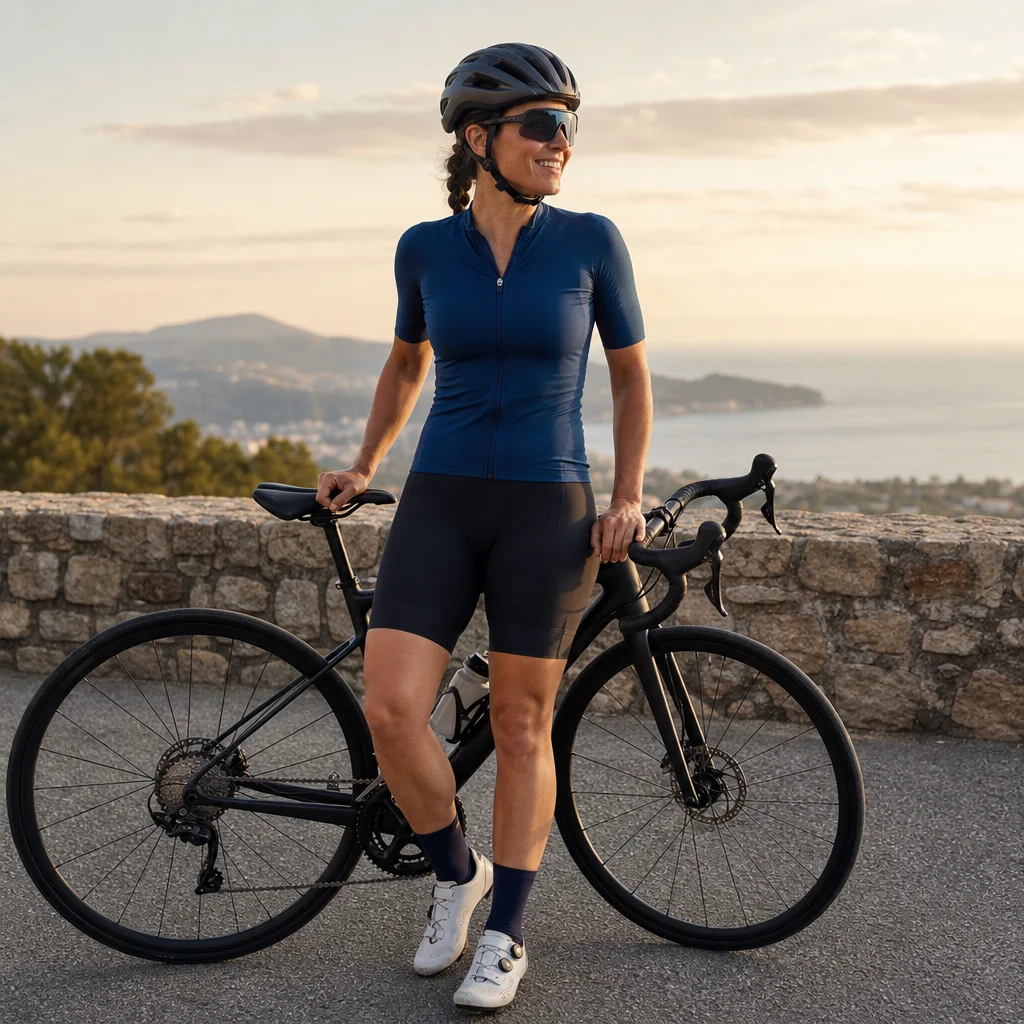
A mid-morning ride leaves you in an awkward breakfast window: eat too much and you may feel heavy, but eat too little and the first climb can expose the gap. The best choice depends less on finding a “perfect” cycling breakfast and more on matching familiar food, portion size, and timing to the ride ahead.
If breakfast planning goes wrong, you can usually recover. The key is to recognize whether you’re dealing with ordinary hunger, an overloaded stomach, dehydration, or a genuine lack of energy, then adjust before the problem becomes harder to manage.
Start with the ride, not the recipe
Breakfast needs vary with the ride’s length, intensity, and access to food along the route.
- Short, easy ride: A normal light breakfast may be enough, especially if you ate a substantial dinner and the ride will last about an hour.
- Longer endurance ride: You’ll generally benefit from a more deliberate breakfast and snacks packed for the road.
- Hard intervals, hills, or racing pace: Carbohydrate becomes more important because higher intensity uses fuel quickly.
- Uncertain or remote route: Eat a little more before leaving and carry a reliable backup, even if you expect the ride to be easy.
You don’t need to calculate every gram for a casual ride. Use the plan to answer three practical questions: How long will you be riding? How hard will you ride? When can you eat again?
A two-hour relaxed ride with a café stop has different breakfast needs from a ninety-minute effort with repeated climbs and no services. Treating them the same is a common reason riders either start uncomfortable or run short of energy.
Choose familiar food with useful carbohydrate
Carbohydrate is usually the most useful part of breakfast before a moderate or demanding ride. It’s readily used during exercise and is easy to include in ordinary foods.
Good starting choices include:
- Oatmeal with a banana, honey, or dried fruit
- Toast with jam, honey, or a small amount of nut butter
- Cereal with milk or a milk alternative you already tolerate
- A bagel with jam or a modest spread
- Yogurt with fruit and cereal, if dairy sits well with you
- Rice, potatoes, or other leftovers when a savory breakfast is more appealing
- A smoothie made from familiar ingredients
Protein can help make breakfast satisfying, particularly when you have several hours before lunch. Eggs, yogurt, milk, tofu, or a small amount of nut butter can fit well. However, a very large serving of protein isn’t automatically better before a ride, and heavy portions may digest slowly.
Fat and fiber aren’t forbidden, but large amounts immediately before riding can cause stomach trouble for some people. A breakfast built around fried food, substantial sausage, lots of cheese, or a very high-fiber cereal may be perfectly reasonable at another time and less comfortable on the bike.
The right test isn't whether a food appears on a list of “clean” or “bad” cycling foods. It’s whether you can eat a sensible portion, digest it comfortably, and ride without needing an emergency change of plan.
Match portion size to the time available
Timing matters as much as the food itself. A full breakfast eaten shortly before rolling out gives your stomach less time to settle than the same breakfast eaten two or three hours earlier.
Two to three hours before the ride
You have room for a normal breakfast, adjusted to the expected workload. Include a substantial carbohydrate source, add a moderate amount of protein if you like, and drink enough to start hydrated without forcing a large volume at once.
For example, oatmeal with fruit and yogurt, or toast with eggs and a piece of fruit, may work well. Keep the portion familiar rather than using the extra time as an excuse to eat far more than usual.
One to two hours before the ride
Choose a smaller, easier-to-digest meal or snack. Toast with jam, a banana and yogurt, cereal, or a simple bagel may be more comfortable than a large cooked breakfast.
If you’re hungry after eating, carry a snack rather than adding another full meal. This lets you top up gradually once you’ve started moving.
Less than an hour before the ride
Think of this as a snack window. Use a modest portion of food that you already know causes no problems: a banana, applesauce, toast, a small bar, or a few crackers. Avoid experimenting with rich, spicy, or unusually high-fiber foods.
If you can’t tolerate solid food early in the morning, a familiar liquid option may be easier. Sip it rather than consuming a large amount immediately before departure.
Caffeine can help—or make breakfast harder
Coffee and tea are part of many people’s normal morning routine. If caffeine already agrees with you, keeping your usual amount may be more predictable than suddenly eliminating it or taking much more for a ride.
Caffeine can also increase jitters, urgency, heart awareness, or stomach discomfort. Those effects may be amplified by nerves, dehydration, poor sleep, or a harder-than-planned ride. An extra-large coffee before a challenging route isn't a reliable substitute for food or rest.
If you want to assess caffeine’s effect, test one change at a time on an ordinary training ride. Note the serving, timing, and how your stomach and effort feel. Don’t make your first experiment before a long event or a remote ride.
Check your caffeine and medical limits: Caffeine guidance varies with serving size, medications, pregnancy, heart conditions, anxiety, and individual sensitivity. Use current advice from a qualified health professional or a trusted public-health source when those factors apply, rather than copying an athlete’s routine.
Pack a backup before you need it
A backup snack is especially useful when breakfast was small, rushed, or interrupted. It also protects you from the simple possibility that the ride becomes longer or harder than planned.
Choose something compact and familiar, such as:
- A banana or applesauce pouch
- A soft cereal or energy bar
- A jam sandwich cut into pieces
- Dried fruit
- Crackers or pretzels
- A sports drink or other carbohydrate drink you’ve tested
For rides lasting well beyond an hour, don’t wait until you feel completely empty before considering the snack. Early, small amounts are often easier to manage than a large catch-up feed after your energy has already fallen.
Carry water as well. Thirst, heat, and exertion can all make breakfast feel less effective, and drinking too aggressively can create its own stomach problem. Your bottle plan should reflect the weather, route, and opportunities to refill.
Troubleshoot the common breakfast failures
You feel heavy during the first hour
The portion may have been too large, the meal too close to departure, or the food unusually rich. Slow the pace, take small sips, and avoid adding more solid food until your stomach settles. On the next ride, reduce the portion or move breakfast earlier.
You’re hungry before the ride begins
That may simply mean breakfast was too small for the gap between eating and riding. Add a simple carbohydrate snack rather than jumping to a large, fatty meal. If this happens repeatedly, make the earlier breakfast slightly larger or plan a mid-ride snack.
You feel shaky or suddenly weak
Stop treating it as a pacing challenge. Ease off, find a safe place, and take a quick source of carbohydrate if you can swallow comfortably. Drink as needed and reassess before continuing. If symptoms are severe, unusual, persistent, or accompanied by confusion, chest pain, fainting, or difficulty breathing, seek urgent medical help rather than trying to ride through them.
Coffee causes an urgent bathroom stop
Reduce the amount, allow more time before departure, or use a familiar lower-caffeine routine. Also consider whether the problem came from the coffee itself, a large breakfast, stress, or drinking a lot at once.
You missed breakfast entirely
Don’t turn the situation into an all-or-nothing decision. For an easy, short ride, you may be able to delay the start and eat a small familiar snack first. For a longer or harder ride, eat something practical, carry extra food, lower your planned intensity, and choose a route with an easy exit or food stop.
Build a repeatable morning routine
A reliable breakfast plan can be simple:
- Check the ride duration, intensity, weather, and food access.
- Decide when you’ll eat and choose familiar food that fits that window.
- Keep the portion moderate rather than compensating for uncertainty with a huge meal.
- Fill bottles and pack one backup snack.
- Start easier than planned for the first few minutes and assess your stomach and energy.
- Adjust the next ride based on what actually happened, not on what you expected to happen.
Keep brief notes if you’re troubleshooting: breakfast time, foods, caffeine, ride duration, intensity, weather, and when discomfort or hunger appeared. Patterns become easier to see after several ordinary rides.
Practical next steps
For your next mid-morning ride, use a breakfast you already tolerate, eat it at least an hour before departure if possible, and carry a small carbohydrate snack. If the ride is longer or harder, give yourself more breakfast time and a clearer on-bike fueling plan.
The goal isn’t to create a complicated menu. It’s to arrive with enough energy, a settled stomach, and a recovery option if the morning doesn’t go exactly as planned.