What to Drink After a Sweaty Road Ride
Water may be enough after a short ride, while heat and heavy sweating can demand more. I’ll help you choose fluids and food based on ride length, sweat loss, appetite, sodium needs, and the risks of overdoing recovery drinks.
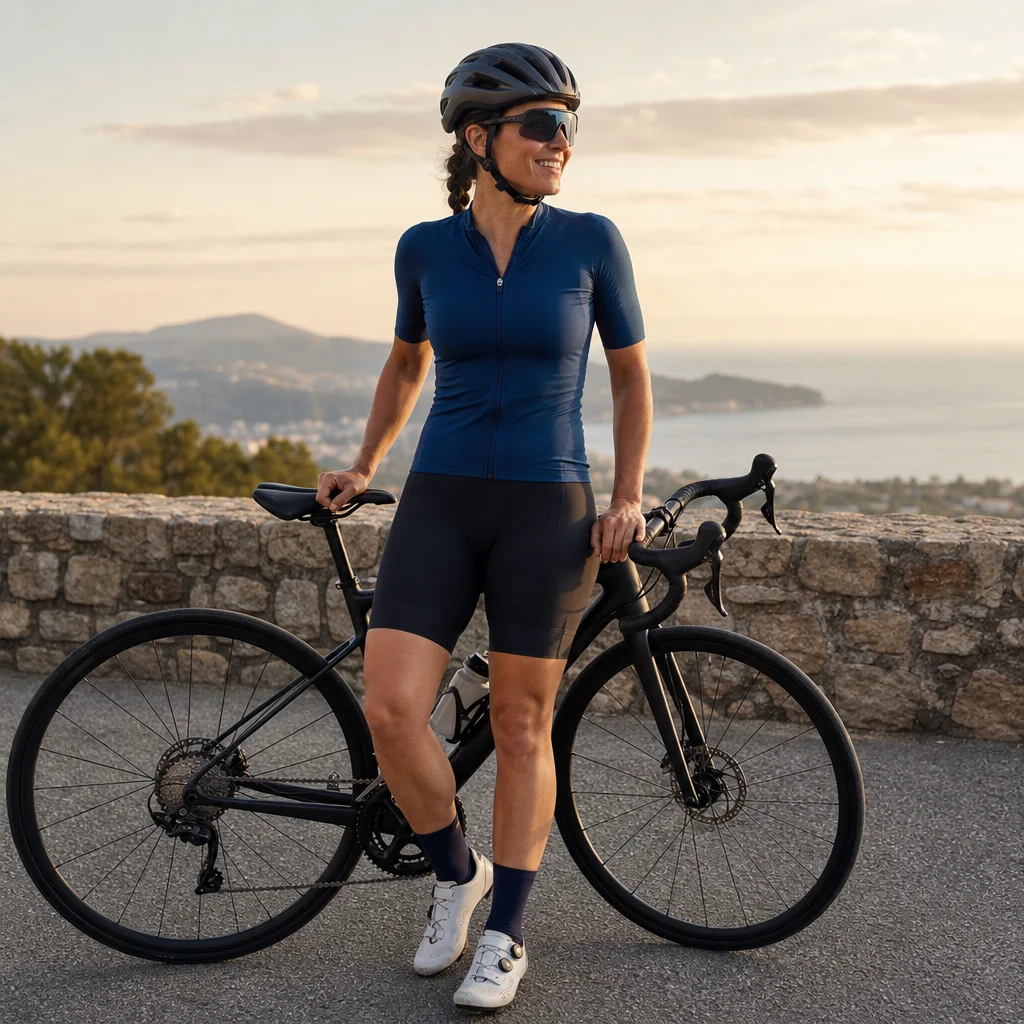
A sweaty ride can leave you thirsty without making the right drink obvious. Plain water is often suitable, but a long, hot ride may also leave you needing sodium, carbohydrates, and a meal that your appetite doesn’t immediately want.
The best post-ride choice depends on how much you sweated, how long you rode, and when you need to perform again. You don’t need an elaborate recovery routine after every ride, but you do need to replace enough fluid to feel and function normally again.
Start with thirst, symptoms, and the ride you just finished
After an easy ride in mild conditions, drink to thirst and eat your next normal meal. A bottle of water with food may be all you need.
The calculation changes when the ride was long, intense, or unusually hot and humid. You may have lost substantial fluid and sodium through sweat, especially if your jersey, helmet straps, or gloves were visibly soaked or salt-stained.
Consider these questions before choosing a drink:
- How long did you ride?
- Was the pace easy, steady, or demanding?
- Was the weather hot, humid, or both?
- Did you drink during the ride?
- Did you finish with a headache, unusual fatigue, dizziness, nausea, or muscle cramps?
- Do you need to ride or train again later today or tomorrow?
These questions are more useful than treating every sweaty ride the same way.
Know when recovery needs medical attention: If you’re confused, faint, unable to keep fluids down, unusually drowsy, or getting worse instead of recovering, stop trying to manage the problem with more drinks and seek urgent medical care. Severe heat illness and significant dehydration can require prompt treatment.
Choose the drink that matches the fluid loss
Plain water for ordinary recovery
Water is a sensible starting point after a short or moderate ride, particularly if you ate and drank during the ride and don’t have obvious symptoms of dehydration.
Drink steadily rather than forcing a large amount at once. A glass or bottle with your meal is usually easier on the stomach than rapidly consuming several bottles. Thirst should gradually settle, and your urine should return toward its usual pale-yellow color over time. Urine color is only a rough clue, though; supplements, medications, and some foods can change it.
Water also works well when your next meal contains sodium and carbohydrates. Soup, a sandwich, rice with a savory topping, or another balanced meal can provide more useful recovery nutrition than a sweet drink alone.
An electrolyte drink for longer or hotter rides
An electrolyte drink can be useful when you’ve ridden for a long time, sweated heavily, or have another demanding session soon. These drinks generally provide fluid plus sodium, and many also contain carbohydrate.
The trade-off is that electrolyte products vary widely. Some are mostly flavored water with a small amount of sodium. Others are concentrated, sugary, or designed for use during exercise rather than afterward. Read the label instead of assuming that every “electrolyte” product does the same job.
Sodium can help retain consumed fluid and replace some of what you lose in sweat, but you don’t need to chase a precise number after every ride. Sweat concentration varies between people, and your loss also depends on duration, temperature, clothing, pace, and access to fluids.
If you regularly finish long rides with salt marks on your clothing, substantial thirst, or a large drop in body weight, discuss a personalized hydration approach with a qualified clinician or sports dietitian. This is especially important if you have kidney, heart, or blood-pressure conditions or take medication that affects fluid balance.
Milk or a smoothie when food is unappealing
A glass of milk, yogurt drink, or smoothie can combine fluid, carbohydrate, and protein when solid food feels difficult. This may be a practical option after a hard ride, provided dairy or the ingredients suit you.
Keep the portion moderate. A very thick smoothie, high-fat shake, or large amount of fiber can feel uncomfortable when you’re hot or nauseated. Start with something easy to tolerate, then eat a regular meal when your appetite returns.
Avoid using alcohol as your recovery drink
A beer or other alcoholic drink may be part of a social occasion, but it isn’t a good substitute for rehydration or recovery nutrition. Alcohol can make it easier to ignore thirst, disrupt sleep, and encourage choices that leave you less prepared for the next ride.
If you choose to drink alcohol, first have water and food, and keep the amount modest. Don’t use alcohol to replace an electrolyte drink or a meal after a particularly hot, exhausting ride.
Replace sodium without turning recovery into a chemistry project
Sweat contains sodium, but the amount differs considerably from rider to rider. Warm, humid conditions can increase the amount you sweat because humidity makes evaporation less effective, even when the temperature doesn’t seem extreme.
For many recreational rides, ordinary food is enough to replace sodium. Useful choices include:
- soup or broth
- eggs with toast
- a sandwich
- rice, potatoes, or noodles with a savory topping
- yogurt with fruit and a salted snack
- a normal meal seasoned to taste
Avoid taking salt tablets casually. More sodium isn't automatically better, and concentrated products can be inappropriate for some people. If you’re experimenting with a specific sodium plan for long events, review the product directions and get individualized advice when you have a medical condition or take relevant medication.
Eat even if your appetite is delayed
Sweat loss is only part of recovery. A long or intense ride can also reduce your carbohydrate stores and leave your muscles needing protein for repair. You don’t need a special recovery meal, but you’ll generally benefit from combining carbohydrates and protein across the next meal or snack.
Easy options include:
- a turkey or bean sandwich with fruit
- oatmeal with milk and banana
- rice with eggs, tofu, chicken, or beans
- yogurt with cereal and berries
- a baked potato with cottage cheese or another protein source
- a smoothie followed by toast or a small meal
If your stomach feels unsettled, begin with small portions. A banana, crackers, toast, yogurt, or a lightly flavored drink may be easier than a large greasy meal. Then try a fuller meal later rather than forcing food immediately.
You’ll usually recover more comfortably by eating gradually than by waiting several hours and then overeating. If you’re riding again soon, prioritize carbohydrates and fluid sooner. If your next ride is tomorrow or later, a normal balanced meal and regular drinking through the day are usually sufficient.
How much should you drink?
There isn’t one useful post-ride volume for every rider. Drinking to thirst is a reasonable approach for many ordinary sessions, while substantial sweat loss may require a more deliberate plan.
If you weigh yourself before and after an occasional ride under similar conditions, the change can show whether you’re consistently finishing much lighter. Weigh without wet clothing and remember that any drink or food consumed during the ride affects the estimate. This doesn’t need to become a daily ritual; it’s simply a way to identify a pattern.
Don’t try to rapidly replace every lost ounce by drinking far beyond thirst. Excessive water intake can dilute blood sodium and become dangerous. Spread fluids over time, include food when appropriate, and pay attention to how you feel rather than competing with a target that doesn’t fit the ride.
Also remember that thirst may not be a reliable guide if you’re nauseated, distracted, taking certain medications, or already feeling unwell. Persistent symptoms deserve medical advice rather than an increasingly complicated drink strategy.
Check labels and local heat guidance: Electrolyte formulas, serving sizes, and caffeine or sugar content differ by product, while heat-safety recommendations can change with local conditions. Check the label for sodium and carbohydrate, follow current local heat advisories, and ask a clinician about a personalized plan if you have a condition affecting fluid or sodium balance.
A simple decision process
Use the least complicated option that matches the ride:
- Short, easy ride and normal appetite: Drink water to thirst and eat your next regular meal.
- Longer ride or noticeable sweating: Add a meal or snack containing carbohydrates, protein, and some sodium; use an electrolyte drink if it helps you replace fluids.
- Hot, humid, or very demanding ride: Rehydrate steadily, include sodium through a labeled drink or food, and eat in small portions if your appetite is low.
- Another hard session soon: Start fluids and carbohydrates earlier, and plan more deliberately rather than waiting until you feel depleted.
- Concerning symptoms: Stop exercising and seek medical help instead of trying to fix severe symptoms with more water or sports drink.
Practical next steps
After your next sweaty ride, note the weather, ride duration, what you drank, and how you felt during the following few hours. You’ll soon see whether water and a meal are enough or whether a labeled electrolyte drink is useful for particular conditions.
Keep one simple recovery option available at home, such as milk and fruit, yogurt and cereal, or a prepared meal. Drink steadily, eat when you can, avoid treating alcohol as hydration, and reserve more detailed sodium planning for rides where the heat, duration, or repeat training genuinely justifies it.