How to Recover After a Ride in Hot, Humid Weather
Hot, humid rides demand more than a quick shower: cooling, rehydration, food, and dry clothing all help prevent a rough recovery. I’ll show you what to prioritize first and which symptoms mean recovery at home is no longer enough.
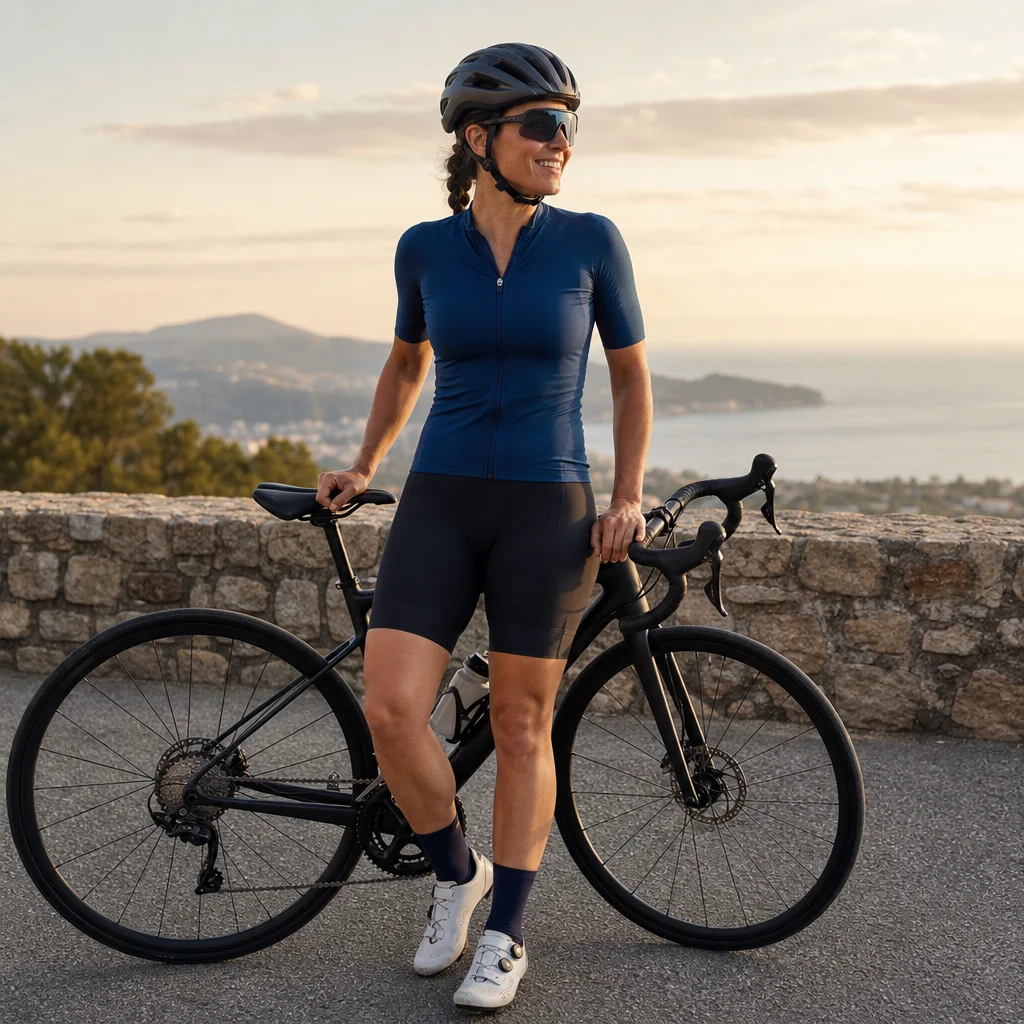
A hot, humid ride can leave you sweaty, chilled, headachy, or unusually tired long after you stop pedaling. The common mistake is treating recovery as a single task—drink some water, take a shower, and move on—when your body may still be struggling to cool itself and replace what it lost.
Your first priorities are to lower your body temperature, replace fluids gradually, eat something useful, and get out of wet clothing. You also need to recognize symptoms that could signal heat illness rather than ordinary post-ride fatigue.
Cool down before you settle in
Move to a cool, shaded, or air-conditioned place as soon as you finish. Stop riding, loosen tight clothing, and let your breathing return toward normal. If you’re still hot, flushed, dizzy, or uncomfortable, cooling should come before errands, stretching, or a long drive home.
A cool shower can help, but it doesn’t need to be painfully cold. Lukewarm-to-cool water is often more comfortable and makes it easier to stay in the shower long enough to lower your temperature. You can also use cool, damp cloths on your neck, armpits, and groin while sitting near a fan or in air conditioning.
Avoid wrapping yourself in a towel or extra clothing while you’re still overheated. Humidity makes sweat evaporate less effectively, so your body may need help shedding heat even after you’ve stopped exercising.
If you feel faint, sit or lie down somewhere safe. Don’t try to “walk it off,” and don’t get behind the wheel until you’re alert, steady, and feeling substantially better.
Replace fluids gradually
You lose water through sweat, but you also lose sodium and other electrolytes. The exact amount varies with temperature, pace, body size, clothing, and how heavily you sweat, so there isn’t one correct post-ride volume for everyone.
Start drinking soon after the ride, but take steady sips rather than forcing down a large amount at once. Water may be enough after a shorter, easier ride if you ate and drank normally beforehand. After a long or very sweaty ride, an electrolyte drink or a meal containing sodium can help replace more of what you lost.
Useful options include:
- Water alongside a normal meal
- An electrolyte drink prepared according to its label
- Milk or a recovery drink if you tolerate it
- Broth, fruit, yogurt, or other foods that provide fluid and sodium
Your thirst, urine color, and how you feel can provide rough clues, but they aren’t precise hydration measurements. Pale-yellow urine later in the day is generally reassuring; completely clear urine after repeatedly forcing fluids may be a sign that you’re drinking more than you need.
Don’t make a habit of chugging large amounts of plain water to compensate for a sweaty ride. Excessive water intake can dilute blood sodium, which can be dangerous. If you’re confused about how much to drink for long rides, especially if you have kidney, heart, or other medical conditions, ask a qualified clinician for individualized advice.
Check today’s heat-risk guidance: For rides during an active heat advisory or extreme heat event, review local weather-service and public-health guidance before deciding whether to exercise, and follow any medical advice that applies to your health conditions or medications.
Eat when your stomach is ready
A hard ride in humid weather can suppress your appetite, but delaying food for hours can make fatigue and irritability worse. You don’t need a special recovery product. Begin with something easy to tolerate, then eat a normal meal when your appetite returns.
Aim to include carbohydrates to restore energy and protein to support muscle repair. Practical combinations include:
- A banana with yogurt
- A turkey sandwich and fruit
- Oatmeal with milk and nuts
- Rice with eggs or beans
- Chocolate milk plus a simple snack
If you feel nauseated, start with small portions and bland foods. Cold fruit, toast, rice, crackers, or a smoothie may be easier than a large, greasy meal. Keep sipping fluids, but don’t force food while you’re actively vomiting or becoming more unwell.
For routine recreational rides, precise recovery calculations usually aren’t necessary. The bigger prevention mistake is finishing depleted, then waiting until dinner to eat and drink because you don’t feel hungry.
Change out of wet clothing promptly
Wet cycling clothing can keep you uncomfortable and make chafing more likely. In air conditioning, it may also leave you shivering once your body temperature starts to drop. Change into dry, loose clothing after cooling down, and remove sweaty socks and shoes if you can.
Rinse or wash bib shorts, jerseys, sports bras, and socks according to their care instructions rather than leaving them damp in a bag or car. A quick rinse can reduce salt and sweat residue, but laundering is still needed to remove oils and bacteria that contribute to odor and skin irritation.
Check your skin while changing. Persistent redness, burning, raw areas, or a rash in skin folds may need a break from riding and gentle care. Keep the area clean and dry, and avoid applying products that sting or trap heat on broken skin.
Separate normal fatigue from warning signs
Heavy legs, thirst, mild soreness, and a desire to rest can be normal after a demanding ride. Symptoms that are worsening, unusually intense, or not improving with rest deserve more attention.
Heat exhaustion can involve heavy sweating, weakness, dizziness, headache, nausea, a fast pulse, muscle cramps, and cool or clammy skin. Stop activity, move to a cool place, loosen clothing, and begin cooling and sipping fluids if the person is awake and able to swallow.
Heat stroke is an emergency. Warning signs can include confusion, unusual behavior, loss of coordination, fainting, seizures, or a very high body temperature. Don't wait for every symptom to appear, and don’t assume sweating rules out a serious problem.
Call emergency services for suspected heat stroke or if someone is unconscious, confused, having a seizure, unable to drink, repeatedly vomiting, or getting worse. While help is coming, move the person to a cooler place and cool them with air conditioning, wet cloths, or cool water if possible. Don’t give fluids to someone who is confused, unconscious, or unable to swallow safely.
The same caution applies if symptoms don’t improve after cooling and rest. When in doubt, seek medical help rather than attempting to diagnose the problem at home.
Prevent the next difficult recovery
Recovery starts before the ride ends. On hot, humid days, plan a route with shade, water access, and options to shorten the ride. Carry enough fluid for the route you’ve chosen, and bring food for rides long enough that you’re likely to run low on energy.
Wear breathable clothing, use sunscreen as directed, and avoid treating pace as the main measure of a successful ride. Humidity can make a familiar speed feel much harder because sweat evaporates less efficiently. Ride by effort, take breaks earlier, and be willing to turn around.
After the ride, make a simple routine:
- Get into shade or air conditioning.
- Loosen clothing and cool your body.
- Drink steadily, using electrolytes when the ride was long or very sweaty.
- Eat carbohydrates and protein when your stomach allows.
- Change into dry clothes and clean your riding kit.
- Reassess how you feel before driving, stretching hard, or making plans.
If you repeatedly finish rides with severe headaches, vomiting, confusion, or exhaustion that lasts into the next day, stop trying to solve the pattern with more discipline or more supplements. Reduce the heat exposure and discuss it with a healthcare professional.
A good recovery in humid weather is deliberately unglamorous: cool down, drink sensibly, eat something, get dry, and pay attention to changes that don’t fit ordinary fatigue. Those habits make it easier to enjoy the next ride without turning every hot-weather finish into a test of endurance.