What to Eat After a Hard Ride When You Don’t Feel Hungry
A hard ride can suppress appetite just when your body needs fluids and fuel. I explain how to combine gentle hydration, small carbohydrate portions, and practical protein options until a normal meal sounds appealing.
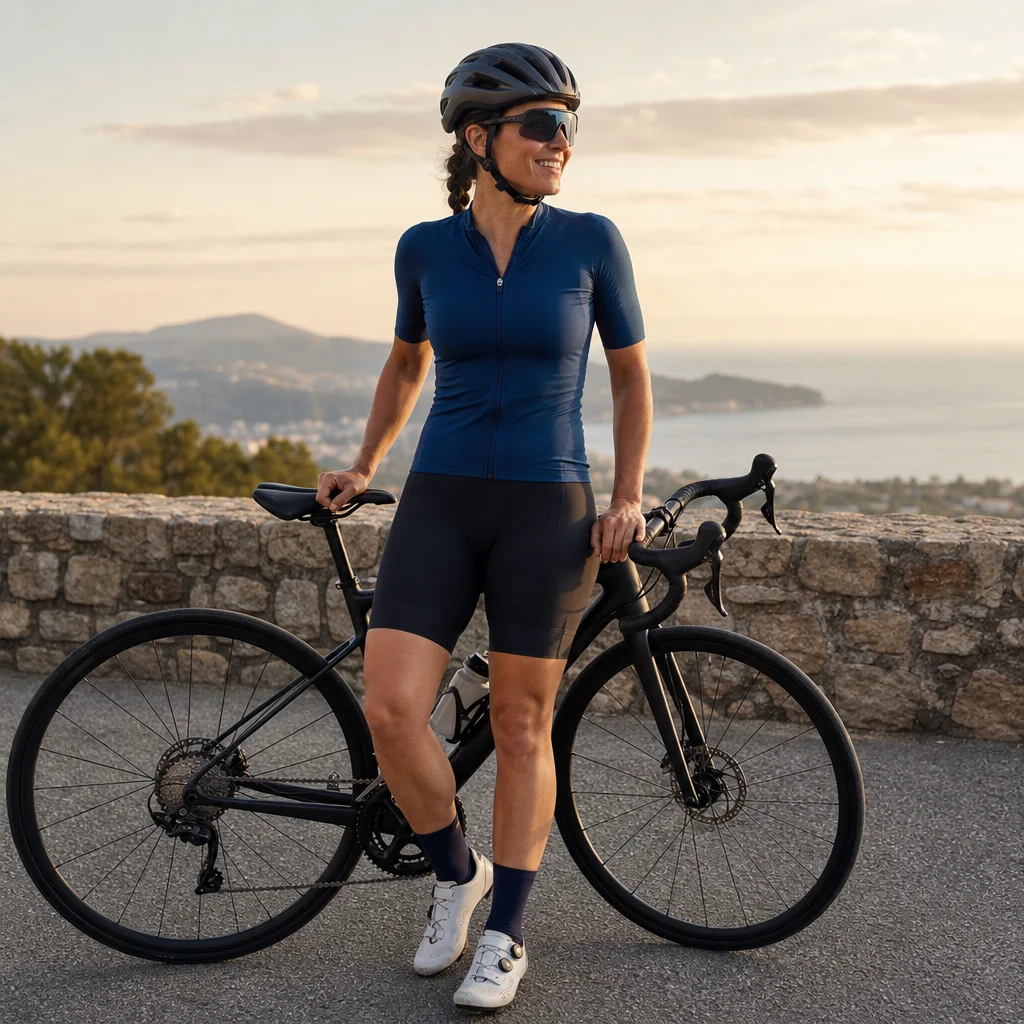
After a demanding ride, you may know you need to refuel but feel unable to face a full meal. Heat, dehydration, high effort, and the temporary effects of intense exercise can all reduce your appetite. Trying to force a large plate often makes the problem worse.
The useful approach is to separate recovery into manageable jobs: replace fluids, add carbohydrates, include some protein, and gradually return to ordinary food. You don’t need to solve everything with one meal.
Start with fluids, but don’t overcorrect
Drink in small, regular amounts rather than chugging a large bottle immediately. Water may be enough after a shorter ride in mild conditions, but a long or sweaty ride can also leave you short of sodium and other electrolytes.
A practical first choice is a drink you already tolerate, such as:
- Water alongside a salty snack
- A low- or moderate-carbohydrate sports drink
- Milk or a dairy-free recovery drink
- Diluted fruit juice with water
- Broth, if something warm and savory sounds better
Your urine color, thirst, body-weight change, and the conditions of the ride can offer clues, but none is a perfect measurement on its own. Avoid treating hydration as a contest. Drinking far beyond thirst without replacing appropriate electrolytes can also create problems, especially after very long events.
If you’re nauseated, take a few sips every several minutes. Cool fluids may be easier than very sweet or very hot drinks. Once your stomach settles, you can increase the amount gradually.
Check your hydration plan: For rides in high heat, unusually long efforts, or events with heavy sweating, confirm your fluid and sodium strategy with a qualified clinician or sports dietitian rather than copying another rider’s amounts.
Choose small portions that do more than one job
When appetite is low, prioritize foods that provide useful nutrition without requiring much chewing or stomach space. A small serving of carbohydrate can begin replacing the fuel used during the ride, while a modest amount of protein supports muscle repair and helps make the snack more satisfying.
Good combinations include:
- A banana with yogurt
- Chocolate milk or a similar fortified drink
- A smoothie made with fruit, milk or soy milk, and yogurt
- Toast with a thin layer of nut butter
- Applesauce with cottage cheese or a small yogurt
- Cereal with milk
- Rice, a soft-boiled egg, and a little soy sauce
- A recovery bar with water, if bars sit well with you
- A small bagel with turkey, hummus, or a mild spread
You don’t need every item on the list. Pick the option that seems least unappealing and start with half a portion. The best recovery food is one you can comfortably consume and keep down.
Liquid and semi-liquid foods are often easier immediately after exercise, but they aren’t automatically better. Some commercial recovery drinks contain more sugar, caffeine, or artificial sweeteners than you want. Check the label if you’re managing diabetes, food allergies, kidney disease, or another medical condition.
Build recovery in stages
A simple sequence can keep the decision from feeling overwhelming.
Stage 1: The first few minutes
Take small sips of water or an electrolyte drink. Sit somewhere cool and allow your breathing and body temperature to settle. If you feel queasy, avoid gulping and wait a few minutes between sips.
Stage 2: The first tolerable bite
Try a small carbohydrate-focused item: fruit, a few crackers, toast, applesauce, or a sports drink. The goal isn't a complete meal. You’re testing what your stomach can handle.
Stage 3: Add protein when possible
Once fluids and a little carbohydrate are staying down, add a protein source. Yogurt, milk, soy milk, eggs, cottage cheese, tofu, or a small amount of chicken can work. A large protein serving isn’t necessary if you’ll eat a balanced meal later.
Stage 4: Eat a normal meal when appetite returns
Within the next few hours, aim for a regular meal containing carbohydrate, protein, and foods you enjoy. Add vegetables and fats according to your usual diet and tolerance. If the ride was short or easy, your ordinary meals may be all the recovery strategy you need.
Match the amount to the next day’s demands
The right recovery choice depends partly on what comes next.
If you have another hard ride, race, or physically demanding day soon, replacing carbohydrate becomes more important. You may need several small snacks rather than waiting for one substantial meal. Carbohydrate-rich choices such as rice, potatoes, oats, bread, fruit, or pasta can be spread across the evening.
If tomorrow is an easy day, you can usually take a less urgent approach. Drink normally, eat when your appetite returns, and include a balanced meal without forcing extra food simply because the ride was difficult.
Protein is useful in either case, but more isn't always better. A normal serving distributed through your meals is generally more practical than trying to consume a very large amount immediately after finishing.
Make low-appetite recovery easier before the ride
Preparation helps because decision-making is harder when you’re hot, tired, and slightly nauseated. Keep one or two familiar options ready at home or in your car:
- Shelf-stable recovery drink or milk alternative
- Bananas, applesauce pouches, or soft fruit
- Yogurt or a prepared smoothie
- Bread, bagels, or simple crackers
- A mild sandwich prepared in advance
- Soup or broth for a savory option
Test these foods on ordinary training days. A product that sounds efficient may be too sweet, too thick, or difficult to digest after intense exercise. Keep a backup that requires little preparation, but don’t assume a special supplement is necessary.
It also helps to finish the ride with a short, easy cooldown instead of stopping abruptly after your hardest effort. Cooling down won’t guarantee an appetite, but it may give your breathing, temperature, and stomach a more gradual transition.
Troubleshoot the common reasons food feels impossible
You’re still overheated
Move into shade or air conditioning, loosen restrictive clothing, and sip cool fluid. Heat can make both food and thick drinks unappealing. Don’t force a meal until you feel more comfortable.
You drank too much during the ride
A very full stomach can make post-ride food nauseating. Pause, avoid adding more liquid immediately, and resume with small sips once the discomfort eases. Repeated problems may mean your on-bike drinking plan needs adjustment.
Your ride intensity was too high
Hard surges and maximal efforts can provoke nausea more readily than steady riding. Give yourself time to recover, then choose bland, low-fat foods in small portions. Consider a less aggressive pacing or fueling strategy on future rides.
The food is too rich
Large amounts of fat, fiber, spice, or concentrated sugar may be difficult right after exercise. Choose simpler foods first, then return to your preferred meal later.
You waited until you were depleted
If you regularly finish ravenous one day and unable to eat the next, review what you consume during the ride. Eating small amounts of carbohydrate while riding can reduce the temptation to make up a large deficit afterward. Practice this during training rather than introducing unfamiliar products on an important event day.
Know when low appetite is more than a fueling issue
Occasional appetite loss after a hard effort is common, but persistent or severe symptoms deserve attention. Stop exercising and seek prompt medical advice if nausea or vomiting continues, you can’t keep fluids down, you become confused or faint, you have chest pain, severe weakness, an unusually severe headache, or signs of heat illness.
Also speak with a healthcare professional if poor appetite happens after most rides, is accompanied by unexplained weight change, or leads to repeated under-fueling. Riders with diabetes, kidney or heart conditions, gastrointestinal disorders, or a history of disordered eating should get individualized guidance rather than relying on a generic recovery formula.
A simple decision checklist
When you finish a hard ride without an appetite:
- Cool down and take small sips of a suitable drink.
- Start with a small, familiar carbohydrate source.
- Add a modest protein serving when your stomach allows it.
- Eat a normal balanced meal later instead of forcing one immediately.
- Adjust the next ride’s pacing, on-bike fueling, or hydration if this keeps happening.
- Get medical help for severe, persistent, or unusual symptoms.
Recovery doesn’t have to begin with a full plate. Fluids first, then small amounts of easy-to-tolerate carbohydrate and protein, give you a flexible way to support your body while your appetite catches up.