How to Recover From a Cramp During a Ride
When a cycling cramp strikes, easing the effort and reducing immediate strain matter more than pushing through. I’ll explain what to do in the moment and how to review pacing, fueling, hydration, and fatigue afterward.
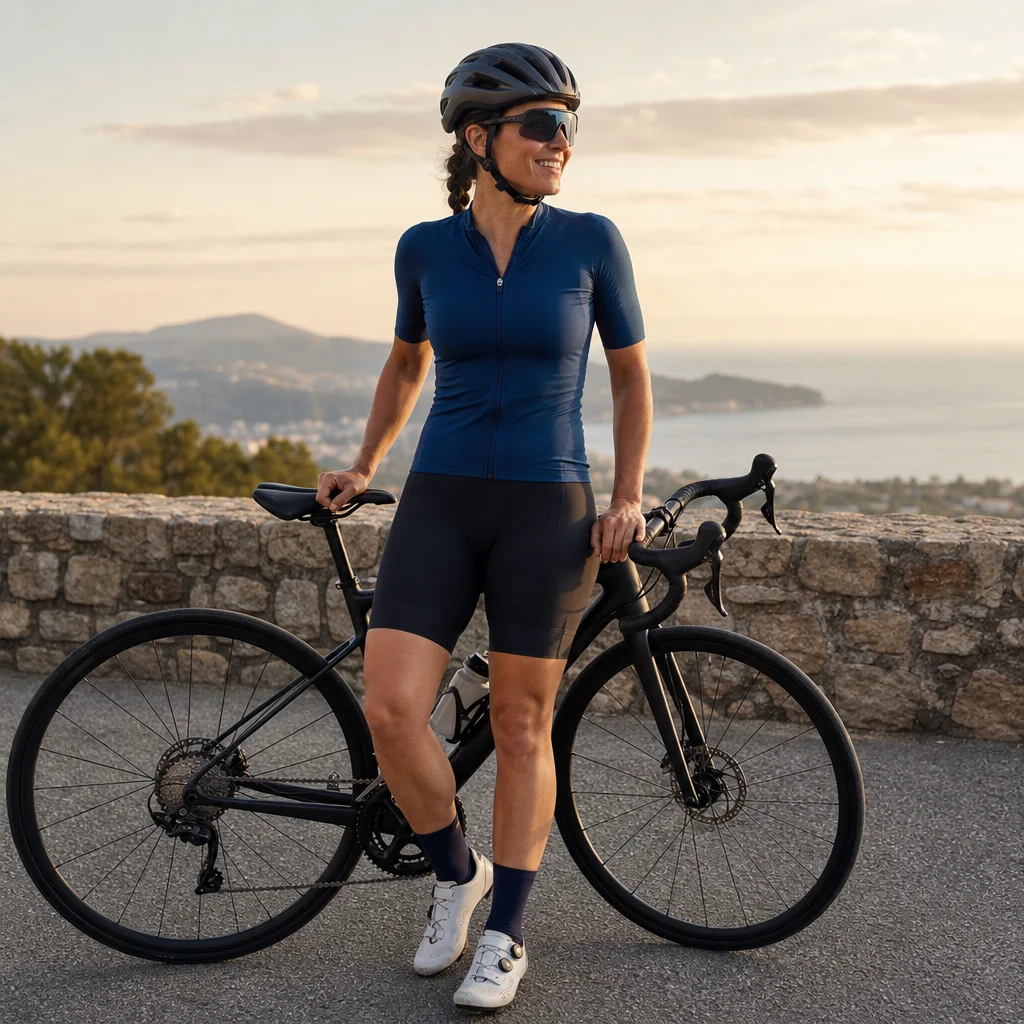
A cramp can turn a manageable ride into a difficult decision within seconds. Your first priority isn’t to finish the interval, climb, or route exactly as planned; it’s to reduce the muscle’s workload and regain control without creating a second problem.
The right response depends on where the cramp is, how severe it feels, and whether other symptoms are present. Use the steps below as a practical framework rather than trying to force a single remedy every time.
Reduce the strain immediately
As soon as you feel a muscle tightening or beginning to seize:
- Stop accelerating. Ease off the pedals and shift to an easier gear if you can do so smoothly.
- Move somewhere safe. If you’re on a busy road, near a blind corner, or descending, prioritize getting out of traffic before stopping.
- Sit up and relax your upper body. Avoid gripping the bars tightly or holding your breath.
- Stop if the cramp is worsening. Continuing to push can make the contraction more intense and may change a manageable problem into an injury.
If the cramp is mild, a short period of very easy spinning may help you avoid an abrupt stop. Keep the resistance low and your pedal stroke relaxed. If the muscle is repeatedly locking or you can’t pedal normally, stop and dismount instead.
Gently stretch the affected muscle
Once you’re safely stopped, use a slow, controlled stretch. Don’t bounce, yank, or try to overpower the contraction.
Calf cramp
Stand facing the bike and place your hands on it for support. Put the affected leg behind you, keep the heel down if comfortable, and gently shift your weight forward. You should feel a gradual stretch in the calf, not sharp pain.
Front-of-thigh cramp
Hold the bike for balance and bend the affected knee slowly, bringing your heel toward your seat. Keep your knees close together and stop if the stretch becomes painful.
Back-of-thigh cramp
Place the affected leg slightly forward with the heel down and the knee relaxed. Hinge forward from your hips without rounding aggressively through your back.
Foot cramp
Take your shoe off if practical and gently move your toes and ankle through a comfortable range. A light massage under the foot may help the muscle relax, but don’t dig hard into a painful area.
Hold a gentle stretch for around 15 to 30 seconds, then release and reassess. You can repeat it once or twice. If the muscle remains hard, painful, or prone to repeated spasms, give yourself more recovery time instead of immediately returning to full effort.
Decide whether to continue
After the cramp eases, make a deliberate decision rather than treating relief as proof that the problem is solved.
You may be able to continue if:
- the muscle has relaxed fully;
- you can walk and pedal normally;
- there’s no significant swelling, weakness, numbness, or sharp pain; and
- the route ahead allows you to get help or return easily if symptoms come back.
Restart with several minutes of easy riding. Use a low gear, keep the cadence comfortable, and avoid standing on the pedals at first. If the same muscle begins tightening again, stop the hard riding for the day. You might continue gently toward home if movement remains comfortable, but don’t treat a repeated cramp as something to pedal through.
If you can’t walk normally, the pain feels like an injury rather than a spasm, or the cramp doesn’t settle with rest, arrange a safer way home. A ride-ending decision is frustrating, but it’s usually more sensible than turning a warning sign into a longer recovery.
Know when the ride is no longer safe: Stop riding and seek urgent medical help for confusion, fainting, trouble breathing, chest pain, severe weakness, signs of serious overheating, or rapidly worsening symptoms. For less dramatic but persistent or recurrent cramps, consult a qualified health professional, especially if they also occur away from cycling.
Don’t assume water is the whole answer
Drinking may be appropriate, particularly on a hot ride or after substantial fluid loss, but cramps aren’t explained by dehydration alone. They can also reflect local muscle fatigue, an abrupt increase in effort, prolonged positioning, insufficient recovery, or a combination of factors.
Drink according to thirst and the conditions rather than forcing large amounts quickly. If you’ve been sweating for a long time, a drink containing electrolytes may be useful, but it isn’t an instant cure for an already contracted muscle. Avoid treating salt or electrolyte products as a substitute for reducing effort and resting.
Overdrinking can create its own health risk. Don’t use a cramp as a reason to consume repeated bottles of fluid in a short period, especially if you aren’t thirsty. Product instructions and individual needs vary, so check the label and consider professional advice if you have a medical condition or take medication affecting fluid balance.
Review the likely pattern afterward
A useful post-ride review looks for what changed before the cramp, not just what you consumed after it started.
Pacing and intensity
Ask whether the cramp appeared after a hard climb, sprint, headwind, or long stretch above your usual effort. A pace that feels manageable early in a ride can become excessive as fatigue accumulates.
On your next similar ride, start more conservatively. Keep some reserve for the final third, and use easier gears before your legs are already overloaded. If you’re training with intervals, follow the planned recovery periods instead of adding extra efforts because you feel good early on.
Cadence and gearing
Grinding a large gear at low cadence can place high force on the working muscles. That doesn’t make low cadence inherently wrong, but an unfamiliar combination of steep terrain, low cadence, and fatigue can increase local strain.
Shift earlier on climbs and aim for a smooth pedal stroke. You don’t need to chase one perfect cadence number; the practical goal is to avoid prolonged, forceful pedaling that your legs aren’t prepared to sustain.
Fueling
A long or hard ride requires more than a good breakfast several hours earlier. If the cramp followed a period of rising fatigue, review whether you ate consistently and whether your plan matched the ride’s duration and intensity.
Use familiar carbohydrate sources during training and begin before you feel completely depleted. Increase intake gradually if you’re not used to eating on the bike, because a sudden change can cause stomach trouble. The aim is steady energy, not a last-minute rescue.
Heat, clothing, and recovery
Heat can increase sweat loss and perceived effort, while excessive clothing can make the same pace feel harder. Check the forecast, choose breathable layers, and plan shade or refill opportunities for longer rides.
Also review the less exciting basics: sleep, recent training load, rest days, and whether you started with already-tired muscles. A cramp may be the most noticeable sign of accumulated fatigue rather than a problem created during that particular hour.
Build a simple response plan
Before your next long ride, decide what you’ll do if a cramp begins:
- reduce effort immediately;
- move safely off the road if needed;
- carry enough fluid and familiar fuel for the planned route;
- know where you can refill or shorten the ride; and
- tell a riding partner what symptoms would make you stop.
Afterward, record the location of the cramp, when it appeared, the terrain, approximate effort, weather, food and fluid intake, and what helped. One episode rarely identifies a single cause, but several rides can reveal a pattern.
The practical decision is simple: treat the cramp as a signal to reduce demand, not a challenge to overpower. Relax the muscle, reassess honestly, and return to harder riding only when normal movement has returned. If it keeps happening, adjust one factor at a time and get qualified medical guidance when the pattern is severe, persistent, or unusual.