What to Eat When You Start a Ride Before Breakfast
When your wheels are ready before your appetite, the right choice depends on ride length, intensity, and how your stomach handles early food. I’ll compare a small snack, a normal breakfast, and riding without food so you can leave prepared without overcomplicating fueling.
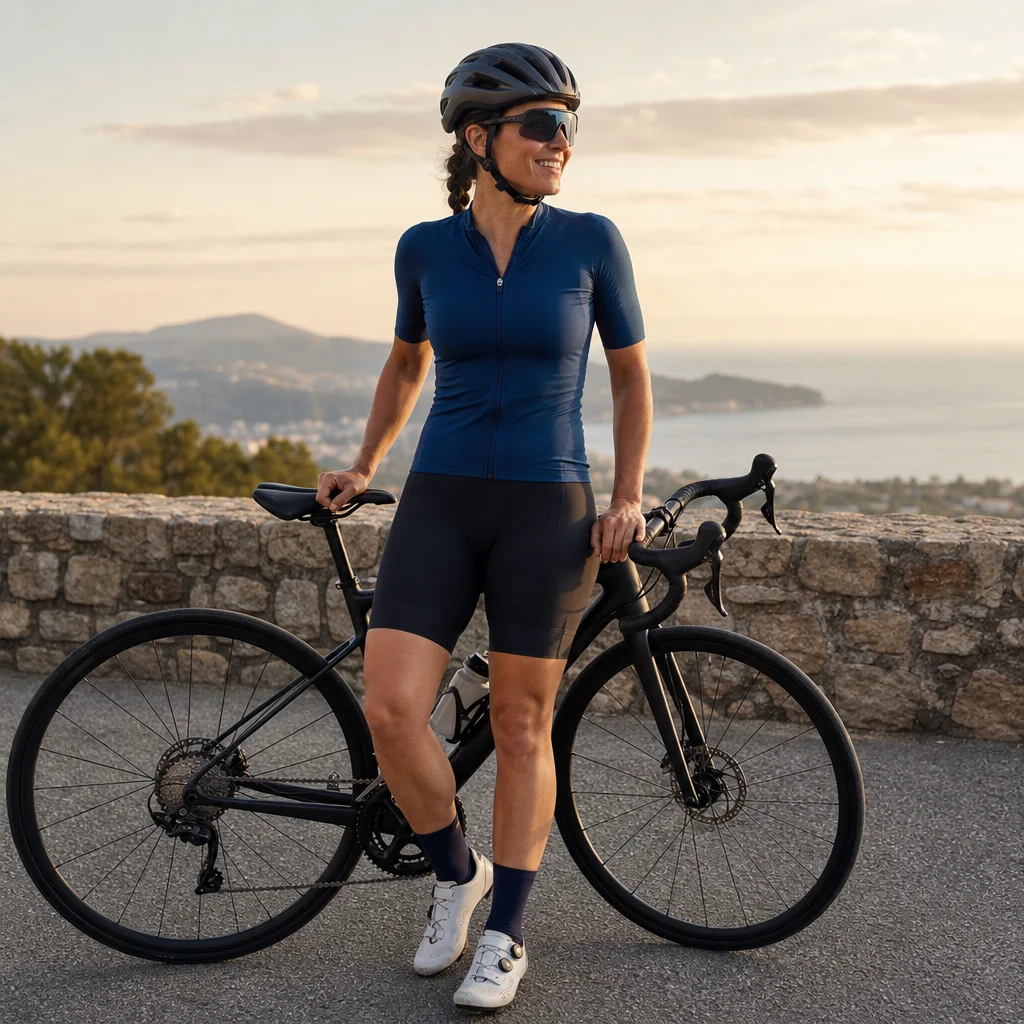
An early ride creates a simple but important choice: eat something, have a full breakfast, or roll out without food. There isn’t one correct answer for every cyclist. Your best option depends on how long you’ll be riding, how hard you’ll push, how much time you have, and whether your stomach tolerates food soon after waking.
For most recreational rides, you don’t need a complicated meal plan. You need enough energy to ride comfortably, a way to respond if the ride takes longer than expected, and an approach you can repeat.
Start with the ride, not the clock
The phrase “before breakfast” can describe very different rides. A relaxed 30-minute spin around town places different demands on your body than a two-hour group ride with hills.
Use these questions to narrow your choice:
- How long will you ride? Short rides are easier to complete with little or no food. Longer rides give you more reason to eat beforehand and carry fuel.
- How hard will you ride? Easy endurance riding generally feels more manageable on an empty stomach than repeated climbs, fast group riding, or intervals.
- When did you last eat? A dinner with carbohydrates the night before may leave you better prepared than a light evening meal or an unusually early start.
- How does your stomach respond? Some riders can eat shortly after waking. Others need time, a very small snack, or no solid food at all.
- Can you stop or turn back? A familiar route near home allows more flexibility than a remote ride with limited options.
These factors matter more than whether the ride begins at 6:00 or 9:00 a.m.
Option one: have a small snack
A small snack is often the most useful middle ground. It gives you some readily available carbohydrate without the heaviness of a full meal.
Good choices include:
- A banana
- Applesauce
- Toast with jam or honey
- A small bowl of cereal
- A simple granola or oat bar
- A few crackers
- A small sports drink if solid food is unappealing
Choose something familiar and relatively low in fat and fiber if you’ll start riding soon. Those nutrients aren’t bad, but larger amounts can slow digestion or cause discomfort when you’re exercising.
A snack works well when you’re riding for roughly 45 to 90 minutes, especially if the pace will be moderate or variable. It’s also a sensible choice when you woke up hungry but don’t have enough time to prepare and digest a full breakfast.
You don’t need to force a large portion. The goal is to take the edge off hunger and give yourself a little usable energy, not to feel full. If you have 30 to 60 minutes before departure, a small snack paired with water is usually easier to manage than eating a full plate immediately before rolling out.
Option two: eat a normal breakfast
A normal breakfast makes more sense when the ride will be long, hard, or difficult to interrupt. It can also help if you know that hunger distracts you or makes the final part of a ride unpleasant.
A practical pre-ride breakfast might include carbohydrate-rich food with a modest amount of protein, such as:
- Oatmeal with fruit and yogurt
- Toast with eggs and fruit
- Cereal with milk and a banana
- A bagel with a small amount of peanut butter
- Rice, fruit, and yogurt if you prefer a less traditional breakfast
The earlier you eat, the more time you have to digest. A larger meal immediately before a hard ride is more likely to feel uncomfortable, particularly if it contains a lot of fat, fiber, or unfamiliar ingredients.
For a ride starting soon after waking, reduce the size rather than trying to copy a full weekend breakfast. You might eat half a bagel, a banana, or a smaller bowl of oatmeal before leaving, then carry additional fuel for later.
A full breakfast is particularly useful before rides lasting more than about 90 minutes, demanding climbing, or organized events where you won’t want to experiment with food once you’re underway. You’ll still need to carry fluids and possibly additional carbohydrates for the ride; breakfast isn’t a substitute for on-bike fueling.
Option three: ride without food
Riding without breakfast can be reasonable for a short, easy outing if you feel well and have no medical reason to avoid eating. Some cyclists prefer the simplicity, especially when the ride is mainly a relaxed spin or a commute.
This approach has limits. An empty stomach is less forgiving when the route becomes longer, the pace rises, or weather and hills add unexpected work. Hunger, weakness, shakiness, irritability, and difficulty concentrating are signs that the plan isn’t serving the ride.
If you choose to leave without food, carry an easy-to-eat option anyway. A banana, gel, chews, or bar can turn a deteriorating ride into a manageable one. You don’t have to wait until you feel terrible to use it.
Riding without food also shouldn’t become a test of discipline. It doesn’t automatically make a ride more productive, and it isn’t required for improving fitness. If eating before exercise helps you ride more comfortably or consistently, that is a valid reason to eat.
Check your personal fueling limits: If you have diabetes, take glucose-affecting medication, are pregnant, have a history of fainting or disordered eating, or regularly experience unusual weakness during exercise, ask a qualified healthcare professional how to fuel safely. Don’t use an empty-stomach ride to test a medical condition.
A quick comparison
| Approach | Best fit | Main advantage | Main drawback |
|---|---|---|---|
| No food | Short, easy, familiar rides | Fastest and simplest departure | Hunger or low energy can appear if the ride changes |
| Small snack | Moderate rides or limited morning time | Balances comfort and energy | May not be enough for a long or hard ride |
| Normal breakfast | Long, hard, hilly, or organized rides | Gives you more time and energy before starting | Requires preparation and digestion time |
Treat this as a starting point rather than a set of rules. Your tolerance may change with sleep, stress, temperature, and what you ate the previous evening.
Don’t overlook fluids and on-bike food
Food is only one part of an early start. Drink some water when you wake up, then bring enough for the route and conditions. You may not need a large amount before a short ride, but starting dehydrated can make the effort feel harder.
For rides around an hour or less at an easy pace, water and an optional snack may be all you need. As duration and intensity increase, carry carbohydrate that you can eat during the ride. Many cyclists use a regular intake of roughly 30 to 60 grams of carbohydrate per hour for longer or harder rides, but your needs and tolerance vary. Start at the lower end while practicing and adjust gradually.
Pack more than the perfect forecast requires if you’ll be far from home. A spare snack is inexpensive insurance against a missed turn, mechanical problem, unexpected stop, or stronger-than-planned pace.
How to find your personal default
Test one variable at a time on low-risk rides. For example:
- Try a familiar 45-minute ride with no food, carrying a snack.
- Repeat the route on another day after a banana or slice of toast.
- Compare hunger, comfort, energy, and how you feel during the final 15 minutes.
- Use a larger breakfast before a longer ride and note how much digestion time you need.
- Keep the option that makes you feel steady without unnecessary preparation.
Avoid testing a new breakfast, a new supplement, and a demanding route on the same morning. If something goes wrong, you won’t know which change caused it.
Your evening meal can also affect the decision. If dinner was early or light, a morning snack may be more helpful. If you ate a balanced dinner and are riding gently for a short time, you may feel fine with only water and a backup snack.
A simple decision checklist
- Short and easy: Ride without food if you feel comfortable, but carry a snack.
- Moderate or about an hour: Have a small, familiar carbohydrate snack if you’re hungry or starting to feel under-fueled.
- Long, hard, or hilly: Eat a normal breakfast when possible and plan food for the bike.
- Leaving immediately: Choose a small, easy-to-digest snack rather than a heavy meal.
- Sensitive stomach: Use foods you’ve already tolerated and keep portions modest.
- Medical concern: Get individualized guidance instead of guessing.
The minimalist approach isn't always eating less. It’s choosing only what the ride requires. Start with the smallest option that keeps you comfortable, carry a backup, and let the length and effort of the ride determine when you need more.