How to Fuel Two Consecutive Long Weekend Rides Without Overeating
I’ll explain how to pace meals, ride fuel, and fluids across a Saturday–Sunday block so you start the second ride prepared without eating past comfort. You’ll get adaptable portion guides and clear signs that Sunday should be shorter or easier.
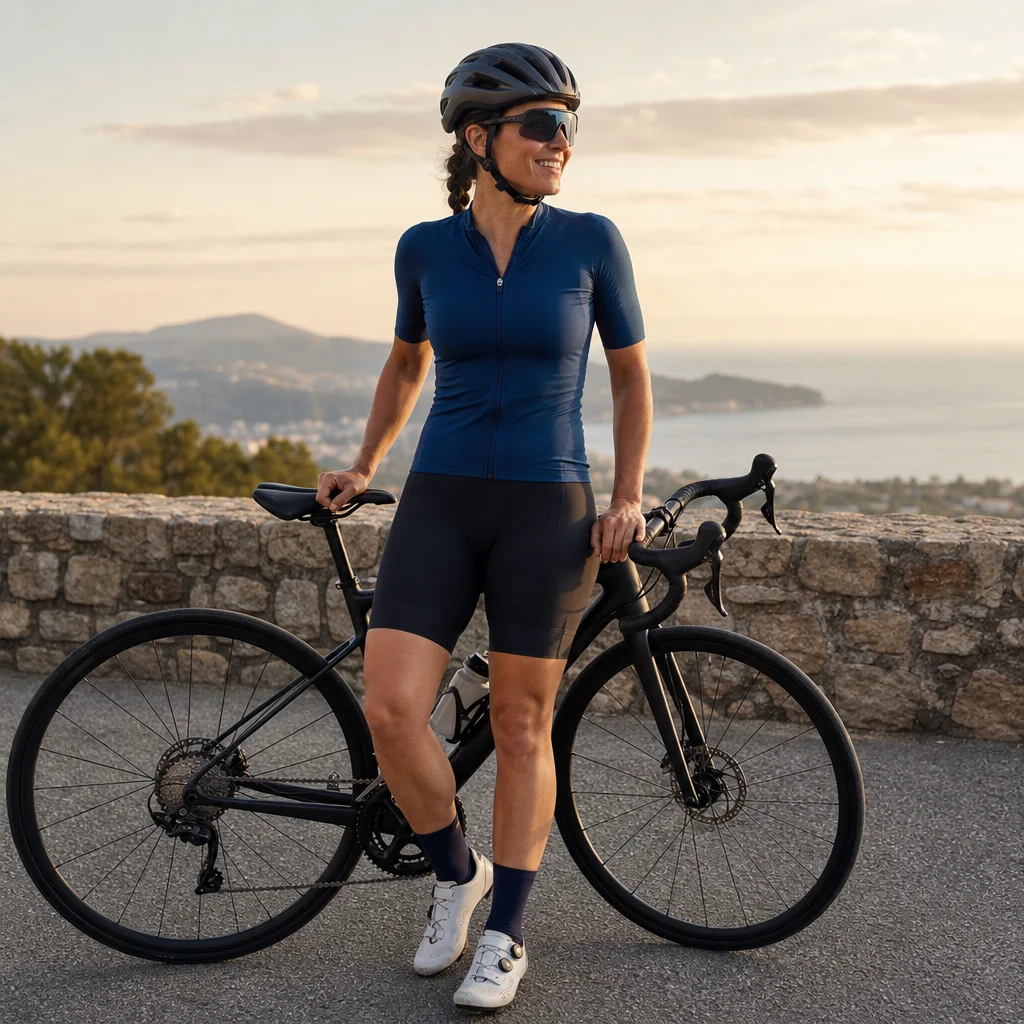
Two long rides on consecutive days create a balancing act: you need to replace enough carbohydrate and fluid to begin Sunday well, but not so much food that you spend Saturday evening uncomfortably full. The answer isn’t a rigid calorie target. It’s a repeatable pattern of sensible portions, regular riding fuel, and an honest check of how well you’ve recovered.
For most intermediate recreational riders, the main risk is under-fuelling the first ride, then trying to correct it with a huge dinner. That can leave you bloated, thirsty, or short on sleep. A better approach is to spread recovery across the hours between rides.
Start Saturday with a familiar meal
Your Saturday breakfast should be substantial enough for the planned ride, but it doesn’t need to be an eating challenge. Choose foods you already tolerate before cycling and include a useful source of carbohydrate, such as:
- Porridge with milk or yoghurt and fruit
- Toast with banana, honey, or jam
- Cereal with milk and a piece of fruit
- Rice, potatoes, or bread if you prefer a savoury meal
Add a moderate amount of protein if it suits you, such as yoghurt, eggs, milk, or a small portion of another familiar food. Fat and fibre can be part of breakfast, but very large amounts may sit heavily before a long ride.
If you’re riding early, a smaller snack before leaving and a proper meal after the first hour or two may feel better than forcing down a large breakfast. Your goal is to begin comfortable, not stuffed.
Fuel Saturday before you feel empty
Eating during the first ride helps protect the evening from becoming a recovery emergency. Waiting until you’re hungry, weak, or irritable usually makes it harder to eat and drink sensibly.
Pack food you can consume in small amounts at regular intervals. Depending on the route and intensity, that might include:
- Bananas or other easy-to-carry fruit
- Sandwiches or small rolls
- Oat bars or flapjacks that you know agree with you
- Energy gels or chews for convenience
- Sports drink when carrying food or water is difficult
A useful pattern is to take a few bites or a small serving regularly rather than saving everything for one stop. On a long, steady ride, ordinary food can work well. Faster or harder riding may make simpler, lower-fibre options easier to manage.
Drink in response to the conditions, your effort, and your own thirst. Warm weather, exposed roads, climbing, and a high-sweat rate all increase the need for fluids. Cold weather can reduce your sense of thirst without removing the need to drink. Avoid treating every empty bottle as proof that you should have consumed a fixed amount; overdrinking can also leave you uncomfortable.
If you use an electrolyte drink, follow the product’s instructions and consider how much fluid you’re also getting from plain water and food. You don’t need to turn every ride into a laboratory experiment.
Make the first meal after Saturday count
The first meal after the ride is important, but it doesn’t have to be enormous. Build a normal plate around three parts:
- Carbohydrate: rice, pasta, potatoes, bread, couscous, oats, or another familiar staple
- Protein: beans, lentils, eggs, fish, poultry, dairy, tofu, or another usual source
- Colour and fluids: vegetables or fruit, plus water or another drink that you tolerate well
A meal such as pasta with tomato sauce, vegetables, and chicken; a baked potato with beans and yoghurt; or rice with tofu and vegetables can all work. The right portion depends on your body size, the length and intensity of Saturday’s ride, what you ate during it, and how hungry you are.
Start with a normal serving rather than automatically doubling it. Eat slowly, then decide whether you need more. If you finished a particularly long or demanding ride, a second smaller meal or snack later may be more comfortable than one oversized dinner.
This is also a good time to replace foods you know you’ll want before Sunday. Set aside breakfast ingredients, pack ride snacks, and refill bottles while you still have energy. A little preparation reduces the chance of starting Sunday on coffee alone.
Check your Saturday recovery: Before bed, ask whether you’ve eaten a proper meal, had enough to drink to feel normally hydrated, and prepared Sunday’s food. If one of those is missing, make a modest correction rather than attempting to compensate with a very large meal.
Use an evening snack only when it solves a problem
An evening snack can be useful if dinner was early, Saturday was unusually demanding, or you’re genuinely hungry before bed. It isn’t compulsory just because another ride is scheduled.
Choose a small, familiar combination such as yoghurt and fruit, cereal with milk, toast with a topping, or a banana with a glass of milk. Keep it simple enough that it won’t disturb your sleep. If you’re already comfortably full, adding another snack won’t automatically improve Sunday’s ride.
Sleep is part of recovery. A meal plan that leaves you reflux-prone, thirsty, or uncomfortable may work against the next day’s ride, even if it looked generous on paper.
Keep Sunday breakfast familiar and adjustable
Sunday breakfast should reflect what your stomach and schedule can handle, not what you believe a “proper” cyclist’s breakfast looks like. Use the same general structure as Saturday, then adjust the portion based on how you feel.
If you’re hungry and slept well, a full familiar breakfast may be appropriate. If Saturday evening’s meal was later or larger than usual, you may prefer a smaller breakfast followed by an early ride snack. Neither option is automatically better.
Leave enough time to digest when possible. If the ride begins soon after waking, choose foods that have worked for you before and avoid introducing a new supplement, unusually rich meal, or unfamiliar high-fibre option on an important weekend.
Pack more than you expect to need if the route is remote or shops may be closed, but don’t assume you must eat everything. Extra food is a safety margin, not a target.
Fuel Sunday for the ride you actually have
The second ride may feel different even when it follows the same route. Residual fatigue, poor sleep, wind, heat, or a harder Saturday can all raise the cost of the effort. Start eating early and use small, regular portions, just as you did on Saturday.
If your legs feel normal, you can follow the planned route while monitoring your effort. If you feel flat, unusually irritable, light-headed, or unable to hold a comfortable pace, take in some food and fluid, then reassess. A brief stop can help you distinguish ordinary tiredness from a problem that is worsening.
Don’t use food to override every warning sign. More snacks may help if you simply ran low on fuel, but they won’t reliably fix illness, severe heat stress, a mechanical problem, or fatigue caused by pushing beyond your current training. Reduce the pace or shorten the ride when the situation calls for it.
Recognise when Sunday should be easier
A second long ride should be a training choice, not a test of character. Make Sunday shorter, flatter, or easier if you notice several of these signs:
- Your legs feel unusually heavy from the start and don’t improve after warming up
- You’re struggling to eat or drink normally
- Your effort feels much harder than the pace suggests
- You’re unusually clumsy, distracted, or unable to make sensible decisions
- You have persistent dizziness, nausea, chills, a severe headache, or signs of overheating
- A joint, tendon, or muscle pain is changing your pedalling or becoming sharper
- You slept poorly and feel distinctly worse rather than merely a little tired
Respond to warning signs early: Stop in a safe place if you feel faint, confused, severely overheated, or unable to continue normally. Cool down, take fluids if you can do so safely, and arrange help rather than trying to ride through serious symptoms. Seek medical advice for symptoms that are severe, persistent, or unusual for you.
Normal tiredness can be managed with an easier pace and a shorter route. Symptoms that affect alertness, coordination, or your ability to stay safe deserve more caution.
Avoid the most common overeating traps
Don’t “earn” a huge dinner
Ride duration doesn’t provide a precise permission slip for unlimited food. Hunger after a long ride is real, but eating quickly from exhaustion can overshoot what feels comfortable. Serve a normal meal, pause, and add more if you’re still hungry.
Don’t confuse thirst with hunger
After a warm ride, both sensations can be present. Have a drink, eat a balanced meal, and give yourself time before deciding you need a large amount of extra food. Avoid forcing water far beyond thirst simply because you’ve been cycling.
Don’t count every gram if it makes the plan harder
Numbers can be useful for riders with specific performance goals, medical needs, or professional support. For weekend riding, portion cues and regular habits are often easier to follow: include carbohydrate at meals, add a reasonable protein source, eat during long rides, and adjust to appetite and effort.
Don’t let convenience food become the whole weekend
Gels, bars, and sports drinks are useful tools, especially when space or digestion is limited. They can also make it easy to consume more than you intended without feeling like you’ve eaten a meal. Combine convenient ride fuel with ordinary food when practical.
A simple two-day plan
Use this as a framework rather than a menu to follow exactly:
- Before Saturday: Eat a familiar carbohydrate-based breakfast with an appropriate portion of protein.
- During Saturday: Carry enough food and drink for the route, and begin fuelling before you’re depleted.
- After Saturday: Have a normal mixed meal, then add a small snack later only if hunger, timing, or the ride justifies it.
- Before Sunday: Repeat a familiar breakfast, adjusting the size to your appetite and available digestion time.
- During Sunday: Fuel regularly, monitor how your effort feels, and keep enough reserve food for delays or route changes.
- After Sunday: Eat according to hunger and return to your normal meals rather than continuing a “recovery” routine you no longer need.
The most effective weekend plan is the one that leaves you adequately fuelled, comfortable, and able to make good decisions on the bike. Spread food across the two days, drink sensibly, and treat Sunday’s pace as adjustable. That approach supports the second ride without turning recovery into an overeating contest.