Road Cycling Etiquette for Shared Greenways and Multi-Use Paths
Shared paths work best when cyclists prioritize predictability, patience, and space over speed. I’ll explain how to choose a safe pace, pass responsibly, use bells effectively, and recognize when yielding is the better choice.
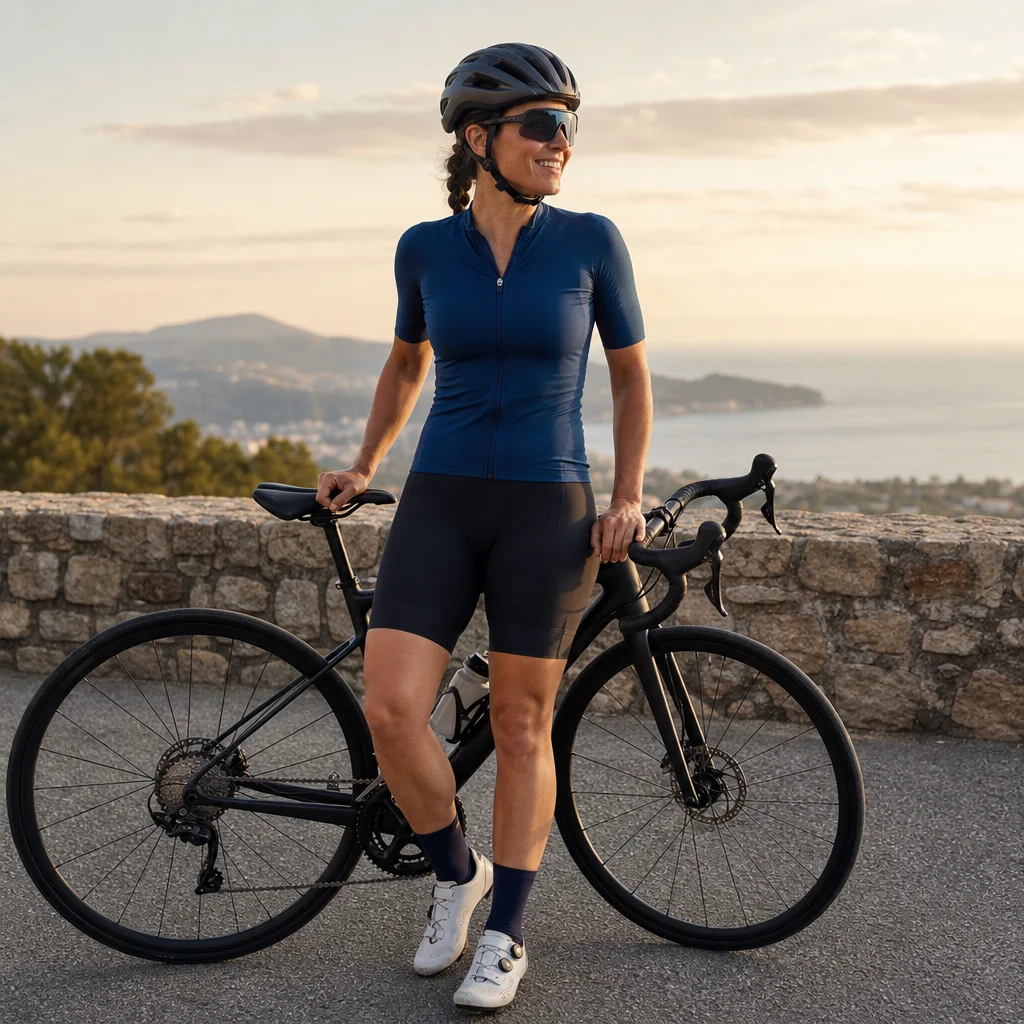
Shared greenways and multi-use paths can turn a simple ride into a negotiation between cyclists, walkers, runners, children, dog owners, wheelchair users, and other trail users. The challenge isn’t only knowing who has priority; it’s making your intentions clear early enough for everyone to react comfortably.
Good etiquette balances progress with predictability. You may be able to ride quickly on an open section, but a crowded path calls for a different approach. The safest choice is usually the one that gives others time, space, and a clear understanding of what you’re about to do.
Start by adapting to the path
Before settling into your pace, scan the path ahead and consider three things:
- Visibility: Can you see far enough ahead to react to a stopped walker, loose dog, child, or approaching cyclist?
- Width: Is there enough room for you to pass while leaving a comfortable margin?
- Activity level: Are users spread out and predictable, or are there groups, intersections, and frequent changes in direction?
An empty, straight section may allow a steady cruising pace. A narrow section with limited sightlines demands more restraint, even if the posted speed limit—or your own fitness—would permit faster riding.
Avoid treating a multi-use path like a private training course. If you need uninterrupted speed work, a road, cycling track, or other appropriate route may be a better fit. On a shared path, the goal is to move smoothly without making slower users feel pressured.
Check the local path rules: Before relying on a general etiquette rule, read the signs at the trail entrance and check the managing park or transportation agency’s current guidance. Speed limits, bell requirements, direction-of-travel rules, and yielding expectations can vary by location.
Choose a speed that leaves you options
Your speed should allow you to stop or change course within the distance you can see clearly. That matters because pedestrians may step sideways without looking, dogs may cross the path suddenly, and other riders may be approaching around a bend.
A useful test is whether you could respond calmly if someone moved into your line in the next few seconds. If the answer is no, reduce your speed before the situation becomes urgent.
Slow down especially near:
- Blind corners, bridges, and underpasses
- Trail entrances and road crossings
- Benches, playgrounds, and picnic areas
- Groups walking side by side
- Children, dogs, or mobility devices
- Wet leaves, gravel, ice, or other surface hazards
- Crowded sections where users may stop unexpectedly
Keep your hands ready on the controls and avoid riding so fast that a sudden stop requires an abrupt, destabilizing maneuver. A controlled reduction in speed is more courteous—and generally safer—than waiting until the last moment to brake hard.
Make passing predictable
Passing is where small communication mistakes create the most tension. The person ahead may not know you’re there, and you can’t assume they’ll hold a straight line once they hear you.
Use this sequence:
- Reduce your speed before approaching. Closing quickly can startle the person you’re passing.
- Give an audible signal from a reasonable distance. A bell or clear verbal announcement works better than silently appearing beside someone.
- Wait for acknowledgment when practical. If the person hasn’t noticed you, repeat the signal or slow further rather than squeezing through.
- Pass on the side expected by local custom or posted rules. In the United States, passing is commonly done on the left, but signs and local path conventions should take priority.
- Leave room. Don’t pass within inches when you have another option.
- Return to your line gradually. Move back only after you’ve cleared the person and won’t cut across their path.
A simple “passing on your left” is more useful when spoken early and calmly. Avoid shouting at close range. A bell can be effective because it’s distinct from general trail noise, but a bell isn’t a guarantee that someone understands where you are or what you want them to do.
If the path is too narrow for a comfortable pass, wait. A few seconds of patience is preferable to forcing another user toward the edge, grass, curb, or opposing traffic.
Use bells and voice signals thoughtfully
A bell should communicate presence, not demand obedience. Ringing repeatedly as you approach can feel aggressive and may cause a startled person to move unpredictably. One or two signals, followed by a slower approach, usually gives people a better chance to respond.
Some pedestrians may not hear a bell because of headphones, traffic noise, or hearing loss. Others may not know whether they should move left, right, or stay put. If there’s no response, create more space and be prepared to stop.
A verbal signal can help when the situation is complex. For example, “Passing on your left when it’s clear” tells a group what you intend without ordering them to scatter. If you’re approaching someone with a dog, a slower “Coming by with plenty of room” may be less startling than a loud warning.
Don’t use a bell or voice call when you’re already beside someone. By then, the signal has become a surprise rather than useful information.
Give pedestrians priority in uncertain situations
Path users don’t always fit neatly into categories. A person walking may suddenly stop to take a photo. A runner may drift across the path. A family may be spread across the full width. A person using a wheelchair, cane, or other mobility aid may need extra time and room.
When you’re unsure what another user will do, yield early. Reduce speed, move behind the person or group, and wait for a clear opportunity. Don’t expect someone to step onto a shoulder that is uneven, muddy, narrow, or inaccessible.
Groups deserve particular attention. Signal before reaching them, and don’t assume that one person’s movement means the entire group has seen you. If they’re occupying the full width, wait for them to create space rather than threading between people.
Dogs require extra caution. Even a leashed dog may cross the path, and a long leash can be difficult to see. Pass slowly, give the animal and handler room, and avoid ringing directly beside the dog. If the handler appears uncertain, stop and let them manage the leash before proceeding.
Handle oncoming traffic and narrow sections
On a two-way path, keep to the side indicated by local signs or established traffic patterns. Stay alert for riders approaching quickly from the opposite direction, especially where the path narrows.
If two cyclists meet while another user is walking nearby, everyone may need to slow down. Don’t assume the pedestrian should move off the path to make room for both bikes. Sometimes the correct choice is for one cyclist to stop or wait until the section is clear.
On a narrow bridge or similar pinch point, avoid entering if another user is already committed to the space. Let them pass, then continue when you have a clear line. This is particularly important when approaching a blind entrance where you can’t see whether someone is coming through.
Treat intersections as decision points
Many greenways cross driveways, streets, parking areas, and other trails. Slow before the crossing, look for vehicles and path users, and be ready for someone to enter from either side.
Even when you appear to have the right of way, make eye contact with drivers when possible and don’t rely on a driver seeing you. Local traffic rules and trail signage determine legal priority, while good etiquette means avoiding a confrontation over it.
At trail junctions, signal your direction clearly and avoid cutting across another rider’s line. If you need to stop, move fully off the travel path when you can. Stopping in the center of a bridge, at the bottom of a hill, or just beyond a blind corner creates a hazard for everyone behind you.
Balance courtesy with your own safety
Being courteous doesn’t mean making a maneuver that puts you at risk. Don’t pass into oncoming traffic, ride onto an unstable shoulder, or squeeze between a person and a fixed obstacle simply because someone behind you is impatient.
If another cyclist follows too closely, maintain a controlled pace and look for a safe place to let them pass. You don’t need to accelerate beyond your ability. A brief wave or verbal acknowledgment can communicate that you’re aware of them, but don’t let pressure force a poor decision.
Likewise, if you’re the faster rider, accept that a shared path may not support your preferred pace. The trade-off is simple: slowing down costs a little time, while an abrupt pass or collision can affect everyone on the trail.
A simple pre-ride etiquette checklist
Before entering a busy shared path, remind yourself to:
- Ride at a speed that matches visibility, width, and crowding.
- Keep enough distance to stop without panic braking.
- Signal early before passing and wait if the other person hasn’t noticed.
- Pass with room and return to your line gradually.
- Yield when a user, group, dog, or mobility device is unpredictable.
- Slow at intersections, blind corners, and narrow sections.
- Move off the path before stopping.
- Follow current local signs and path rules.
The smoothest shared-path ride isn’t the one with the fewest seconds lost. It’s the one where your movements are easy to understand and other people never feel rushed into making space. Choose predictability first, then take advantage of open sections when the path genuinely allows it.