How to Start Road Cycling When You Feel Out of Shape
Feeling winded after a short ride can make road cycling seem out of reach. I’ll help you choose manageable distances, control your effort, recover from setbacks, and build confidence without measuring yourself against faster cyclists.
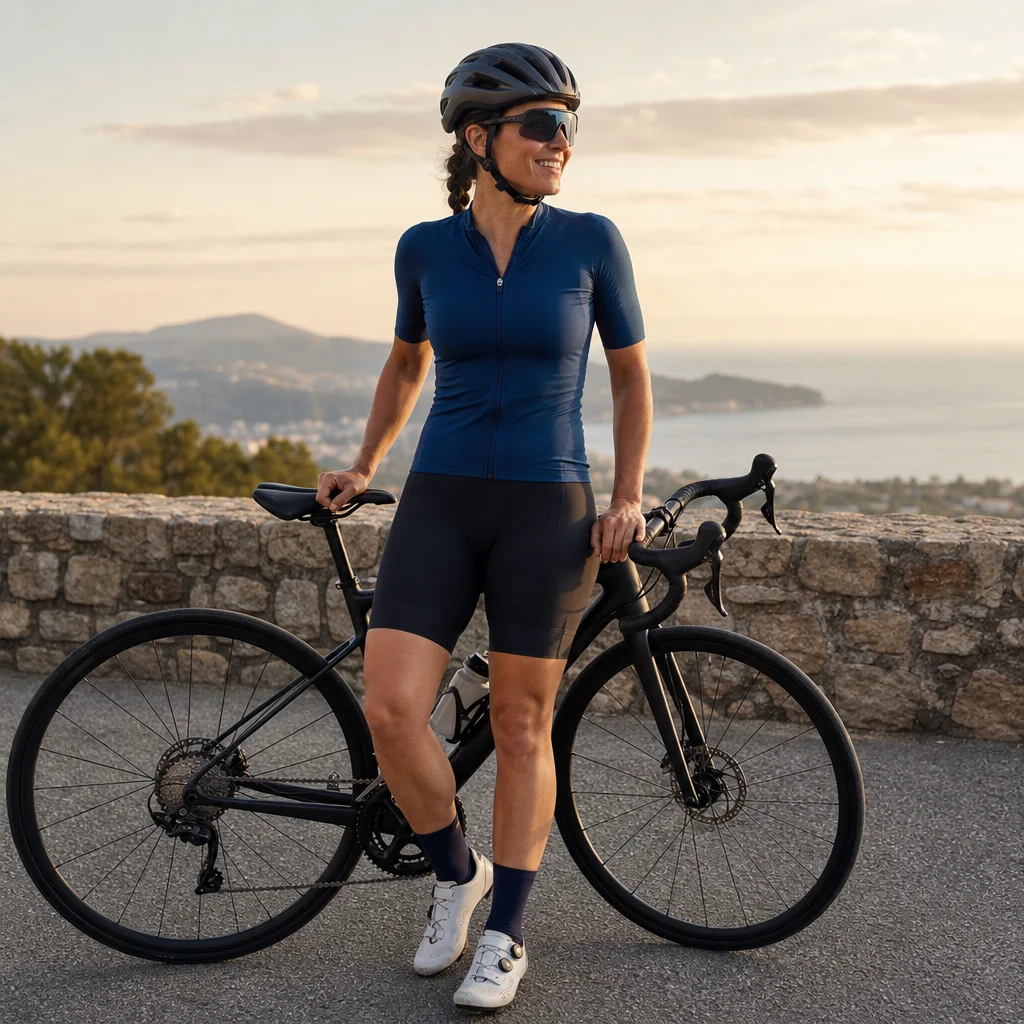
Feeling out of shape can make the first ride feel harder than it needs to. You may worry about holding up traffic, keeping pace with a group, or having enough fitness to get home. The solution isn’t to prove yourself with a demanding route. It’s to make the early rides easy enough that you can repeat them.
Start with a route you can finish comfortably
Your first goal isn't distance, speed, or climbing. It’s completing a ride while keeping enough energy to feel that another short ride would be possible after you recover.
Choose a route with:
- A straightforward way to turn back
- Low-traffic roads or a separated path where permitted
- Few major climbs
- Reliable places to stop for water or a rest
- A surface and route layout you already understand
A short loop is often better than an ambitious out-and-back. If you feel tired halfway around, you’re still close to your starting point. An out-and-back can work too, but set a turnaround point before you leave rather than deciding based on optimism in the first few miles.
For a new or returning rider, a 20- to 30-minute ride may be enough. That could mean only a few miles, depending on traffic, hills, and stops. The right starting distance is the one that lets you finish without turning the final section into a struggle.
Check your first route: Before riding, confirm current local rules for bicycles, path use, and required lighting or visibility equipment. Check the weather and road conditions as well, especially if you’re unfamiliar with the area.
Ride at an effort you can control
Out-of-shape riders often start too hard because the first few minutes feel easy. The body is fresh, the route may be flat, and you may want to make the ride count. That early effort can catch up with you quickly.
Instead, begin slower than you think you need to. Use an effort that allows you to speak in short sentences without gasping. You don’t need to maintain a precise heart rate or power number. You’re learning what sustainable effort feels like.
If talking is difficult, shift to an easier gear and slow down. If that isn’t enough, take a brief break. Stopping for a minute isn't a failure; it’s a way to prevent a manageable ride from becoming an unpleasant one.
Keep your pedaling light and steady. A gear that is too hard can make your legs feel heavy and strain your knees, while forcing an unusually fast cadence can leave you breathless. Shift before a hill becomes difficult rather than waiting until you’re already grinding.
Use a simple first-ride framework
A predictable structure removes some of the pressure from your first outings.
1. Warm up gradually
Ride easily for the first five to 10 minutes. Avoid testing your top speed or attacking the first incline. Your body and attention both benefit from a calm start.
2. Settle into an easy pace
Once you’re warm, maintain a relaxed effort. Keep your shoulders loose, your hands light on the bars, and your eyes far enough ahead to notice traffic, turns, and surface changes.
3. Take breaks before you need an emergency stop
If you know a route includes a safe stopping place, use it. A short pause to drink, adjust clothing, or catch your breath can help you finish in control.
4. Finish with energy in reserve
The last few minutes should be easy. If you have to push hard simply to reach home, the route or starting pace was too demanding for this stage. Make the next ride shorter, easier, or flatter.
Build fitness by repeating manageable rides
Fitness develops through consistent riding, not one heroic outing followed by a week of soreness. Start with two or three easy rides per week if your schedule and recovery allow it. Leave a rest day between harder-feeling efforts, particularly when you’re returning after a long break.
Change only one main variable at a time:
- Ride a little longer
- Add one additional easy ride
- Include a modest hill
- Spend slightly more time riding continuously
For example, you might repeat a 25-minute route until it feels controlled, then extend one ride to 30 or 35 minutes. If that goes well, keep the other rides short while you assess how your legs and energy respond.
There’s no need to increase every week. A repeat week can be useful when you’re adjusting to a new schedule, warmer weather, hills, or longer time in the saddle. If a ride leaves you unusually exhausted, reduce the next ride instead of treating fatigue as something to overcome.
Troubleshoot the most common early problems
“I’m out of breath almost immediately.”
You may be starting too fast, using too hard a gear, or riding into a hill before you’re warmed up. Slow down, shift earlier, and begin with five minutes of very easy pedaling. If you can’t control your breathing even at a gentle pace, stop and recover.
Persistent or concerning symptoms such as chest pain, faintness, unusual pressure, or severe shortness of breath call for stopping and seeking appropriate medical advice. If you have a health condition or you’re unsure whether exercise is appropriate, speak with a qualified healthcare professional before increasing your activity.
“My legs are exhausted before the ride is over.”
Check your gearing and cadence first. Grinding slowly in a high gear can make a small hill feel much harder than it is. Shift to an easier gear and accept a slower speed.
Your route may also be too long for your current conditioning. Turning around early is a sensible adjustment, not a wasted ride. The next outing should be short enough that your legs recover normally.
“My seat or hands hurt.”
Some discomfort can come from being unaccustomed to the riding position, but sharp pain, numbness, or pain that worsens during the ride shouldn’t be ignored. Check that your saddle is level and not obviously too high or low, and vary your hand position without locking your elbows.
A basic bike fit adjustment may help, especially if the same problem returns. Don’t compensate for a poor position by simply riding through the pain.
“I felt fine during the ride but terrible afterward.”
You may have started too hard, ridden too long, or skipped food and fluids. For short, easy rides, normal meals and water are often sufficient, but longer or hotter outings require more attention to drinking and fueling.
Afterward, eat a regular meal containing carbohydrates and protein, drink according to your thirst and conditions, and give yourself time to recover. If soreness is severe or lasts longer than expected, postpone the next increase in distance.
Don’t let faster cyclists set your pace
Road cycling makes comparison easy. You’ll see riders who climb faster, hold a more aerodynamic position, or complete distances that currently seem unrealistic. Their pace says nothing about what your body should do today.
If you join a group, choose one that clearly welcomes beginners and ask about the planned distance, speed, terrain, regrouping policy, and whether riders wait at turns. A group ride can provide motivation, but the wrong pace can turn your early experience into a stressful chase.
Solo riding is equally valid. It lets you stop when you need to, choose a forgiving route, and learn your effort without feeling watched. You can add group rides later, once you’re comfortable managing your bike and returning home with energy to spare.
Keep your early equipment simple and dependable
You don’t need an expensive bike or a full collection of cycling accessories to begin. Prioritize a bicycle that fits reasonably well, tires in good condition, a helmet that fits according to its manufacturer’s instructions, a way to carry water, and a charged phone.
For rides away from home, add a spare tube or tubeless repair supplies appropriate to your setup, tire levers, a pump or inflator, and a basic method of getting assistance if a mechanical problem exceeds your skills. Practice using the pump and checking your tires before the first longer ride.
Wear clothing that lets you move comfortably and helps you manage the weather. Specialized clothing can improve comfort, but it isn’t a requirement for a short local ride.
A low-pressure progression for your first month
Use this as a starting framework rather than a rigid program:
- Week 1: Take two or three short, easy rides. Focus on braking, shifting, route awareness, and finishing comfortably.
- Week 2: Repeat a familiar route and extend only one ride slightly if recovery has been straightforward.
- Week 3: Add a small amount of continuous riding or one gentle incline. Keep the other rides easy.
- Week 4: Repeat the previous week if needed, or add a modest amount of time to one ride.
If you miss a week, resume with the last level that felt comfortable. You haven’t lost everything; you’re simply giving your body another chance to adapt.
Your next steps
Choose a short route with an easy exit, check your bike and safety equipment, and ride slowly enough to speak in short sentences. Stop before the effort becomes a crisis. Repeat that manageable experience several times before adding distance, hills, or speed.
The most useful measure of progress isn't how you compare with another cyclist. It’s whether you can ride a little more comfortably, recover well, and look at your next outing without dread.