Road Cycling Rules You Should Understand Before Riding in Traffic
I’ll clarify the traffic rules and everyday decisions that matter when you move from quiet neighborhood streets onto busier roads, including lane position, hand signals, intersections, and right-of-way. You’ll also learn which details to verify under your state’s current cycling laws.
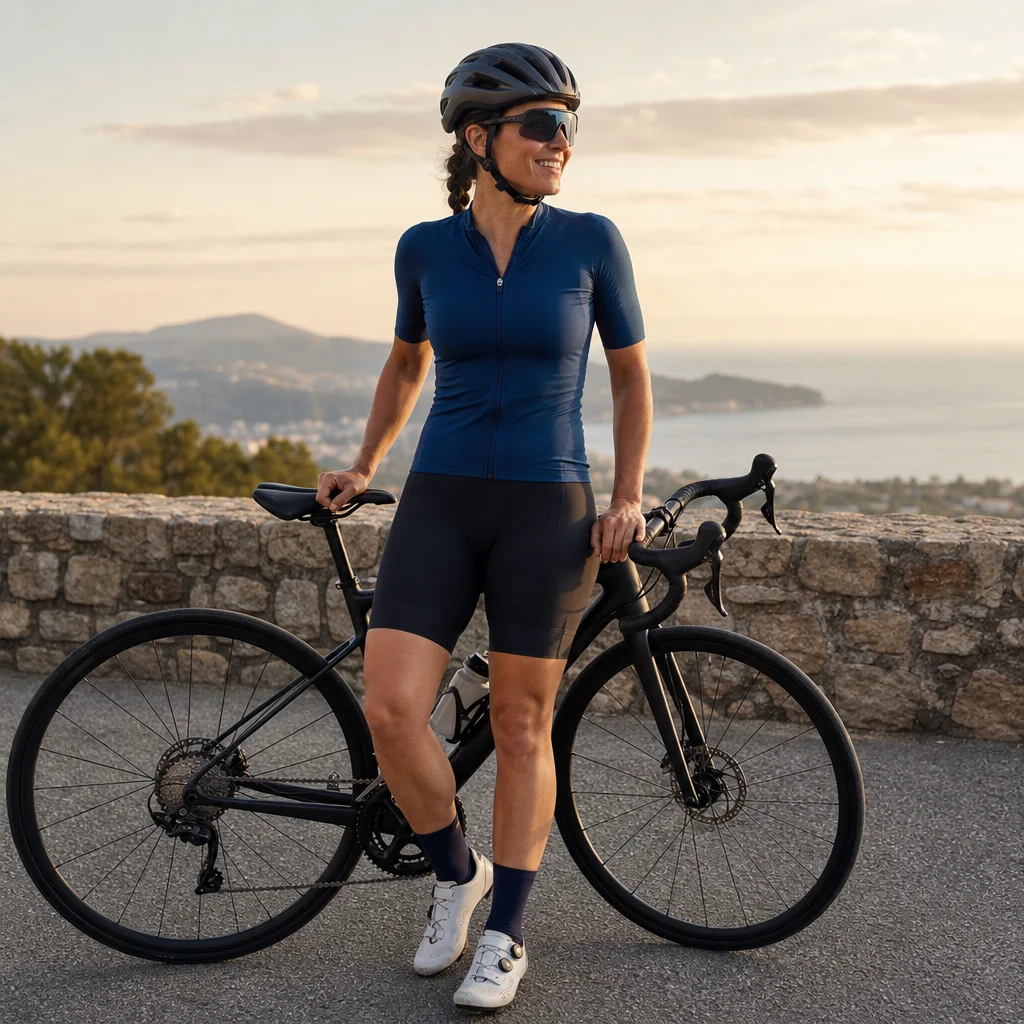
Moving from quiet neighborhood roads into traffic can feel less like a fitness challenge and more like a series of quick decisions. You need to know where to ride, how to communicate, when to yield, and what to do when traffic conditions change.
The broad principles are consistent across the United States, but cycling laws can differ by state and sometimes by city. Treat the guidance below as a foundation for riding predictably, then confirm the rules that apply where you ride.
Check your local riding rules
Before your first traffic ride, review your state’s current bicycle laws and any city-specific rules covering lane use, stop signs, traffic signals, lighting, helmets, and riding on sidewalks. A state department of transportation, highway patrol, or official legislative website is a better source than an old forum post.
Ride as a road user, not a moving obstacle
In most situations, a bicycle is treated as a vehicle. That means you generally follow the same traffic signals, signs, and right-of-way rules as drivers. You ride with traffic on the right side of the road, stop at red lights and stop signs where required, and use lanes in a way that helps others understand your intentions.
This doesn't mean you should imitate every behavior you see from motorists. A bicycle is smaller, slower, and more exposed. You need to leave yourself room to react, avoid hazards, and remain visible.
The most useful habit is predictability. Hold a steady line, signal before changing direction, look for turning vehicles, and avoid sudden movements. A driver may not respond perfectly, but a predictable rider gives everyone more time to make a safe decision.
Choose a lane position that gives you options
New riders often make one of two mistakes: hugging the curb so closely that they ride through debris and drainage grates, or moving into a lane without considering how quickly traffic is approaching. A better position is usually far enough right to leave a reasonable safety margin while still allowing you to avoid hazards and be seen.
Many states describe this as riding as far to the right as practicable, rather than as far right as physically possible. The distinction matters. You may need to move left to:
- Avoid potholes, broken glass, gravel, standing water, or storm drains
- Stay outside the opening zone of parked cars
- Prepare for a left turn
- Pass a slower road user or another cyclist
- Continue safely where the right edge is blocked or unusable
- Avoid a lane that ends or forces you into a dangerous merge
Don't ride so close to parked cars that a suddenly opened door could reach you. The door zone can extend several feet from the vehicle. If the road is too narrow to pass parked cars while leaving a safe gap, moving farther into the lane may be more sensible than squeezing along the edge.
On roads with a marked bicycle lane, use it when it is safe and appropriate, but don't treat the paint as a guarantee of protection. Check for debris, parked vehicles, turning cars, and places where the lane crosses driveways or intersections.
Signal clearly, then keep watching
Hand signals communicate your intended movement, but they don't give you priority. Signal early enough for others to understand what you plan to do, look for traffic, and continue checking as you move.
Common signals in the United States include:
- Left turn: Extend your left arm straight out.
- Right turn: Extend your left arm upward, or use your right arm straight out where permitted and practical.
- Slowing or stopping: Extend your left arm downward.
State laws and local instruction can vary, especially around the right-turn signal. Learn the convention used where you ride rather than assuming every driver will interpret an unusual signal correctly.
Signal before the decision point, not after you begin turning. At the same time, keep both hands ready when the road surface is rough, traffic is close, or you need maximum control. You can signal, return your hand to the bar, and then make the movement once the path is clear.
A quick glance over your shoulder can help you check for vehicles, but turning your head may affect your line. Practice looking behind you on a quiet road, or use a mirror if it helps you monitor approaching traffic without swerving.
Treat right-of-way as something you confirm
Right-of-way rules determine who should proceed first, but they can't remove the need to look. A driver who is technically required to yield may fail to see you. If there is doubt, slowing down is usually the safer choice.
At an intersection, check for:
- Vehicles approaching from every direction
- Drivers preparing to turn across your path
- Pedestrians in or near a crossing
- Vehicles pulling out of driveways or side streets
- A second vehicle hidden behind the first
Be especially cautious when a car is traveling alongside you near an intersection. The driver may turn right across your path without noticing that you are continuing straight. Watch the vehicle’s speed, front wheels, and turn signal, but don't rely on the signal alone.
When you have a stop sign or red light, stop where drivers can see you and where you can observe cross traffic. Avoid stopping in a vehicle’s blind spot. At a red light, follow the law that applies in your state; some places permit a cyclist to proceed after stopping under specific conditions, while others don't. Don't assume a rule from another state applies to your route.
Confirm stop-and-signal exceptions
Before treating a stop sign or red light differently on a bicycle, verify whether your state allows that maneuver, what conditions apply, and whether local rules add restrictions. If the wording is unclear, use the standard stop and yield procedure.
Make turns in a way drivers can read
For a left turn, check behind you, signal, and move toward the appropriate left-turn position when there is a safe gap. On a multi-lane road, that may mean moving into a left-turn lane. Don't cross several lanes at the last second; plan your position well before the intersection.
At a difficult or high-speed intersection, you can use a two-stage turn. Cross the first road, stop in a safe position, reorient yourself, and then cross when the next signal or gap allows. This can be a useful option for beginners, but make sure the location provides a legal and visible place to wait.
For a right turn, check for pedestrians, curbside traffic, and vehicles passing on your left. Signal, slow down, and turn from a position that doesn't invite a driver to pass you on the inside. Keep the turn controlled rather than cutting sharply toward the curb.
Roundabouts require the same basic approach: slow down, yield as required to traffic already circulating, watch for vehicles entering and exiting, and signal your exit when appropriate. A driver may focus on another vehicle and overlook a cyclist, so make eye contact when possible without assuming it guarantees awareness.
Pass and be passed without surprises
Before passing another cyclist, call out or use a bell where appropriate, check your path, and leave enough room. Don't pass immediately before a narrow section, intersection, or turn where you may force the other rider into a hazard.
When a motor vehicle approaches from behind, hold a steady line rather than weaving toward the curb. If the lane is narrow, parked cars or road conditions may require the driver to wait. You aren't required to create an unsafe gap for a pass, though local laws may describe passing and lane-use responsibilities in specific terms.
If you need to pass a slower vehicle or bicycle, look ahead first. A car coming toward you, a driveway, or a parked vehicle can turn a routine pass into a sudden squeeze.
Avoid the mistakes that create the most risk
Several beginner habits make traffic less predictable:
- Riding against traffic: It feels like it provides more time to see approaching cars, but drivers and intersections are designed around traffic moving in the expected direction.
- Staying on the sidewalk everywhere: Sidewalk rules vary, and drivers may not expect a fast-moving cyclist at crossings and driveways.
- Assuming a driver has seen you: A turn signal, eye contact, or a driver slowing down is useful information, not a promise.
- Changing lanes without looking: A hand signal doesn't replace a shoulder check.
- Stopping in a blind spot: Move where you are visible and leave an escape route when possible.
- Following another cyclist too closely: The rider ahead may brake for a hazard you can't yet see.
- Using headphones that reduce awareness: You need to hear approaching vehicles, horns, and other road users. Local laws may also restrict headphone use.
Prepare before you leave quiet streets
Start with a route that has manageable traffic, good sightlines, and few complicated intersections. Ride it at a quieter time if possible, but remember that traffic patterns can change during school hours, commuting periods, events, and road construction.
Before setting out, check your brakes, tire pressure, chain, and quick-release or thru-axle security. Carry a charged phone, identification, a way to repair a flat, and enough water for the route. Use required lighting and reflective equipment when riding in darkness or limited visibility, and verify the current local requirements rather than relying on a generic gear list.
Practice these skills away from traffic:
- Looking over your shoulder while holding a straight line
- Signaling and then returning your hand to the handlebar
- Starting and stopping smoothly
- Moving from the road edge toward the center of a lane
- Checking behind you before changing position
- Braking firmly without locking the wheels
The goal isn't to memorize every possible traffic situation. It is to build habits that make your intentions clear and give you time to respond.
Your first traffic-ride checklist
Before you join busier roads, make sure you can answer yes to these questions:
- Do you know which side of the road you should use?
- Can you signal, look behind you, and hold your line?
- Do you know where you will position yourself for turns and parked cars?
- Have you checked the stop, sidewalk, lighting, and helmet rules for your route?
- Can you identify turning vehicles and decide when to yield defensively?
- Do your brakes, tires, and required equipment work properly?
Choose a simple route, ride predictably, and treat every intersection as a fresh observation rather than an automatic right-of-way. Those habits will help you handle traffic with more confidence while leaving room for the one thing no rule can guarantee: other people making good decisions.