How to Plan a Summer Ride Around Heat Instead of Fighting It
An early start may feel easier than a late finish, but both can work when the route fits the heat. I’ll show you how to choose shade, water, traffic, timing, and turn-back points before you ride.
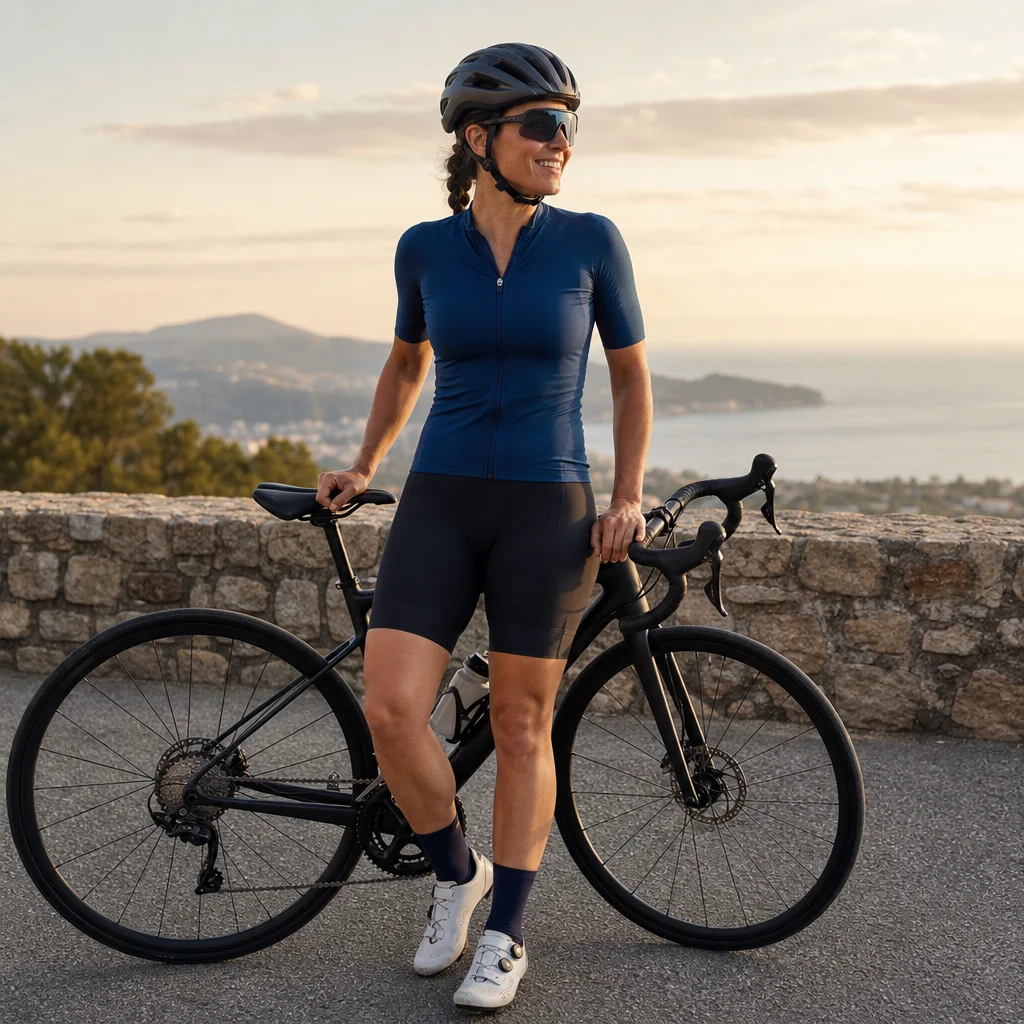
Heat changes the planning problem. Instead of asking how many miles you can usually ride, you need to ask when the route will be hottest, where you can refill, how much pavement is exposed, and what you’ll do if conditions become unsafe.
A successful summer ride in the Southern United States may be shorter than your usual route, start before sunrise, or finish near a reliable indoor stop. That isn’t a failed version of the ride. It’s a route designed around the conditions.
Choose the riding window before choosing the route
Start with the forecast for the entire time you expect to be outside, not just the temperature at departure. In warm, humid areas, the heat can build quickly after sunrise, while an evening ride may remain uncomfortable after sunset because the pavement and buildings release stored heat.
An early ride is often the simplest option when you can leave with enough light and preparation. It gives you cooler roads, less traffic in many areas, and a better chance of finishing before the afternoon peak. The trade-off is that visibility, opening hours, and road conditions may be different from what you see later in the day.
A late ride can work when you know the route and can finish before darkness or carry suitable lights. Build in extra time for the possibility that the air stays hot longer than expected. If the forecast shows unusually high heat, poor air quality, thunderstorms, or a heat advisory, consider shortening the ride or moving it to another day.
Check the day’s conditions: Before you leave, review the current forecast, heat-related alerts, air quality, sunrise or sunset time, and any local road or trail closures. Conditions and official guidance vary by location and can change during the day.
Design the route around recovery points
A heat-friendly route isn't merely the shortest route. It has regular opportunities to cool down, refill bottles, and change the plan without becoming stranded far from help.
Mark potential stops before you ride:
- Public parks with working water fountains
- Convenience stores or grocery stores along the route
- Libraries, community centers, or other places that may offer air conditioning during open hours
- Restrooms and shaded benches
- Familiar roads that lead directly back home
- Bike shops or other staffed locations, when available
Confirm that important stops are actually open when you plan to arrive. A water fountain shown on an old map may be broken, turned off, or unavailable outside a park’s operating hours. Carry enough water to reach the next dependable refill rather than counting every possible source.
Create a route with several exit points. A loop that takes you farther from home with every mile can become a poor choice when the heat rises. Out-and-back routes, connected neighborhood roads, and loops near services make it easier to turn around without improvising on a busy road.
Put shade and exposure on the map
Two routes with the same distance can feel very different. Tree cover, building shade, open fields, wide pavement, and wind exposure all affect how quickly you become overheated.
Use a map’s satellite view or ride the area at a cooler time to identify exposed sections. Pay particular attention to:
- Long bridges and overpasses
- Open farmland or undeveloped roads
- Multi-use paths with little tree cover
- Broad roads with dark pavement and few places to stop
- Climbs with no shade or nearby water
- Long stretches between intersections
You don’t need to eliminate every exposed section. Instead, group the hardest sections earlier in the ride or place them immediately before a dependable shaded stop. Avoid making a long, unbroken stretch of open pavement the final part of the route, when fatigue and rising heat may reduce your options.
Shade is useful, but it isn’t a guarantee of safety. A shaded bench beside a busy road may be hotter and less comfortable than a slightly longer route to an air-conditioned business. Think of shade as one part of the plan, alongside water, time, traffic, and a way home.
Keep traffic and heat decisions connected
Low-traffic roads are valuable in summer because they reduce stress and may offer more room to slow down or stop. They can also be more exposed, have rougher surfaces, or provide fewer services. A quiet rural road with no shade or water access may be a worse choice than a busier suburban route with frequent stores and safe places to pull over.
Look for roads that let you ride predictably and stop well off the travel lane. Avoid planning a rest on a narrow shoulder, at the bottom of a blind curve, or near a high-speed junction. If you need to stop, move completely out of the traffic path and keep your bicycle visible to others.
When possible, connect several lower-traffic roads rather than relying on one long road with limited escape options. Check the surface and intersection pattern as well as the traffic level. A route that is technically quiet but forces frequent crossings or rough detours may create more risk than it removes.
Match distance and pace to the conditions
Heat adds stress even when the mileage looks familiar. Plan the ride by time and exposure as well as distance. A shorter route with a long exposed climb can be more demanding than a longer route through shaded, flatter roads.
Start conservatively. Ride at a pace that lets you speak in complete sentences, especially during the first part of the outing. If you push early because the air feels pleasant, you may have fewer reserves when the temperature rises.
Reduce the day’s target when:
- The forecast is hotter or more humid than expected
- You slept poorly or feel unwell before leaving
- The route has more exposed pavement than you realized
- Water access is uncertain
- You’re riding alone and have limited options to call for help
- A mechanical problem has already delayed the ride
A useful rule is to decide your maximum distance before you start, then set a separate, earlier point at which you’ll turn toward home if the heat feels worse than expected. This prevents the familiar “just a few more miles” decision from taking over when you’re already tired.
Plan hydration without depending on guesswork
Bring enough fluid for the distance between reliable refill points, with some margin for delays. You may need more capacity for a longer, hotter, or more exposed ride than you would on a mild day. Bottles, a hydration pack, or a combination can all work; the important part is knowing when and where you’ll refill.
Drink regularly rather than waiting until you feel desperate for water. For longer or particularly sweaty rides, many cyclists also use an electrolyte drink or carry food containing electrolytes. Products differ, and your needs depend on duration, sweat rate, diet, and health conditions. Avoid treating one bottle or supplement as a substitute for a shorter route and sensible pacing.
Pack food that remains usable in heat. Soft bars, sandwiches, fruit, and drink mixes can be easier to consume than items that melt or become difficult to chew. Carry more than the exact amount you expect to need if the route has uncertain services.
Set clear criteria for ending the ride
Decide in advance what will make you stop, cool down, call for help, or head home. Worsening headache, dizziness, unusual weakness, confusion, nausea, faintness, or a sudden inability to maintain a normal pace shouldn't be treated as ordinary discomfort. Stop riding, get to a cooler place, and seek medical help when symptoms are severe, worsening, or don't improve promptly.
Don’t continue simply because you’re close to completing the loop. A planned bailout is successful route management. If you’re riding with someone else, agree that either person can call for a stop without debate.
Keep your phone charged, tell someone your route and expected return time, and carry identification and a payment method. In an unfamiliar area, a location-sharing feature can make it easier for someone to find you if the plan changes.
A simple summer route checklist
Before rolling, confirm that you have:
- A start or finish time suited to the forecast
- A route with shaded sections and limited long exposures
- At least two dependable refill or cooling options
- Lower-traffic roads with safe places to stop
- A shorter bailout route or clear way home
- Enough water, food, and basic repair equipment
- A charged phone, identification, and a way to pay
- A turn-back time and symptoms that mean the ride ends
Then make the first useful choice: reduce the distance, move the start time, or change the route. You don’t have to fight the hottest part of the day to get a worthwhile ride. Build around shade, water, traffic, and an easy exit, and the route will give you more room to enjoy the miles you do ride.