How to Plan a Ride Around Strong Crosswinds
A sheltered route may feel safer, while a direct line can offer simpler navigation and a stronger finish. I’ll show you how to weigh exposure, wind direction, fatigue, group spacing, and turnaround options before you commit.
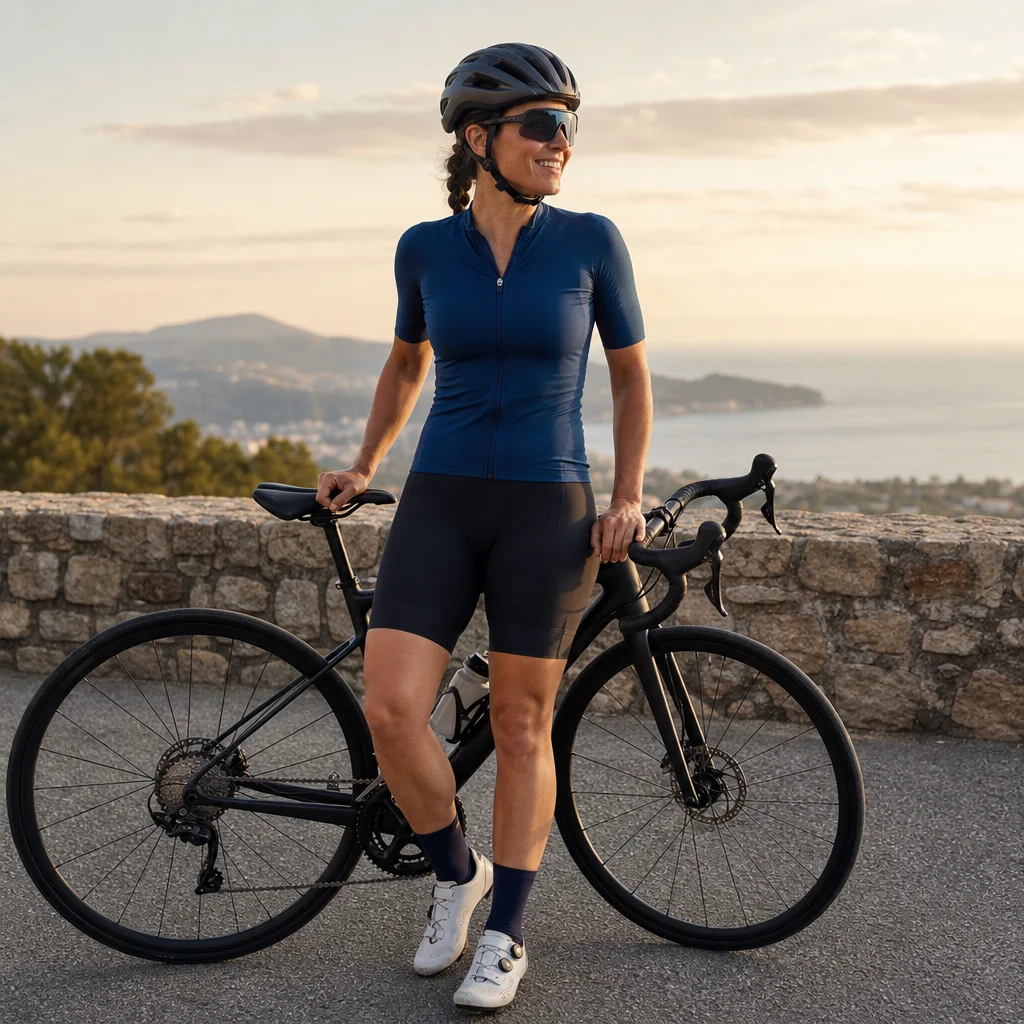
Strong crosswinds can turn a familiar road into a demanding ride. The challenge isn’t only staying upright: wind changes how much energy you spend, how close you can safely ride, and how difficult it may be to retreat when conditions worsen.
You don’t need to avoid every windy day. You do need a route that gives you useful options instead of forcing you to endure the most exposed section at the least convenient point in the ride.
Start with the wind, not the map
Look beyond the forecast’s headline wind speed. Direction, gusts, terrain, and the shape of the road matter just as much.
A steady wind from the side can be manageable on a broad, quiet road. Frequent gusts are more disruptive because they can arrive as you pass gaps in hedges, the ends of buildings, bridge approaches, or the tops of rises. A route that looks sheltered on a map may still have several sudden exposure points.
Before choosing a route, identify:
- The prevailing wind direction for the hours you’ll be riding
- The likely strength and size of gusts
- Open farmland, coastal edges, ridgelines, bridges, and large bodies of water
- Sections with hedges, trees, walls, or buildings that may provide shelter
- Narrow roads where avoiding a sudden sideways push would be difficult
- Safe places to stop, turn around, or shorten the ride
A useful planning habit is to mark exposed sections separately from the rest of the route. Ten miles of ordinary road followed by two miles beside an open field may be more important than the total distance.
Check the wind before rolling out: Compare the latest hourly forecast with the route’s exposed sections, and check local road or trail notices for closures, restrictions, or changing conditions. Wind forecasts can shift enough to affect your safest direction of travel.
Decide which trade-off matters most
There is no universally best direction for a windy ride. Your choice depends on whether you value a more comfortable return, a shorter escape route, or a less stressful first hour.
Start into the difficult conditions
Beginning with a headwind or the more awkward crosswind can make the opening miles feel slow. The advantage is that you face the demanding conditions while you’re fresh. If the wind remains similar, the return may be easier, and you’re less likely to finish exhausted while still exposed.
This approach works well when the route has a clear turnaround point and the wind is expected to remain steady. It is less attractive when the first exposed section is narrow, busy, or difficult to leave.
A headwind-first plan also has a psychological benefit: the ride may feel progressively easier after the turnaround. Don’t treat that as permission to spend all your energy early. A tailwind can encourage an unsustainable pace, and crosswinds can continue to require concentration even when your speed improves.
Take the easier direction first
Starting with shelter or a helpful wind can make the ride more relaxed. It can also let you reach a more interesting destination before fatigue accumulates.
The drawback is that the exposed return may arrive when you’re tired, low on food, or less attentive. If the wind strengthens, you may have fewer comfortable options. This direction makes more sense when the route home is short, sheltered, or easy to abandon through several alternative roads.
Choose a sheltered loop instead
A shorter loop through wooded, built-up, or rolling terrain may offer a better ride than a longer route across open country. You’ll give up distance or scenery, but you may gain more predictable handling and easier access to shelter.
For intermediate riders, this is often the most useful compromise. You can still complete a solid ride without making every exposed mile the central test of the day.
Build the route around escape points
A strong crosswind makes flexibility more valuable than a perfectly shaped route. Plan at least one way to shorten the ride after each major exposed section.
Look for:
- A side road that leads back toward your starting point
- A town with food, water, and a place to wait
- A rail station or other practical transport option, where carrying a bicycle is permitted
- A loop that can be cut short without retracing a dangerous road
- A protected road running parallel to the main route
Think of these as decision points, not signs of failure. At each one, ask whether the wind, your energy, and the road environment still justify continuing.
Avoid relying on a turnaround that exists only on paper. A narrow shoulder, private road, difficult junction, or busy multilane crossing may not be a realistic escape once you’re tired or being pushed sideways. Review the route at a useful scale and, if possible, inspect the relevant junctions before the ride.
Treat exposed roads as separate efforts
Crosswinds often feel manageable until you leave one sheltered section and enter another. Rather than planning only by distance, divide the ride into sheltered and exposed efforts.
On an exposed section:
- Reduce your pace before the road opens up.
- Keep both hands ready on the controls, with a relaxed grip.
- Look farther ahead for gaps in shelter, vehicles, road furniture, and changes in surface.
- Expect a push when passing a truck, leaving a hedge line, or entering open ground.
- Keep enough energy in reserve to slow down or stop if handling becomes uncertain.
A tense grip can make every gust feel sharper. Keep your shoulders relaxed, but don’t make your upper body rigid. Small, deliberate corrections are easier to control than sudden steering movements.
Wind can also alter your road position. A crosswind may push you toward traffic, a curb, a drainage edge, or loose gravel. Leave yourself room to correct, and don’t ride so close to the edge that one gust removes your margin.
Plan your food and fatigue around the wind
Strong winds raise the cost of maintaining speed, especially when the road is open and the wind is slightly ahead of you rather than directly across the road. If you pace by speed, you may work too hard without noticing.
Use effort and breathing as your main guide. On the hardest exposed section, settle into a pace you can hold without repeatedly surging. Eat and drink before you feel depleted, because stopping in an exposed location may be uncomfortable or unsafe.
A good plan includes a sheltered food stop before the return or before the most exposed part of the route. That gives you a chance to reassess conditions while you still have options.
If your average speed is lower than expected, recalculate the ride rather than simply pushing harder. A late finish can mean more traffic, poorer visibility, colder temperatures, or a forecast window you no longer have.
Adjust group spacing and formation
Crosswinds change how a group should ride. A tight line that works in calm conditions can become difficult when riders are making frequent corrections. The front rider may be pushed sideways, while following riders have less time to respond.
On open roads, leave more lateral and braking room than usual. Keep your attention on the rider ahead, but also scan past them for gusts, vehicles, and road hazards. Avoid overlapping wheels, and communicate clearly before slowing, moving around an obstacle, or changing position.
An echelon can reduce the effect of a crosswind, but it requires enough road width, consistent riders, and a safe environment. It may be inappropriate or unlawful to spread across a lane or into the path of traffic. If the road is narrow, busy, or visibility is poor, ride in a simple, predictable line instead.
Confirm your group plan: Agree on spacing, signals, regrouping points, and the conditions that will trigger a shorter route. Check the applicable local traffic rules before using any formation that changes how much of the lane your group occupies.
Check the bike before choosing exposed roads
Wind planning can’t compensate for a bike that feels unstable or poorly prepared. Check that your tires are correctly inflated for your load and road surface, your wheels are secure, and your brakes work predictably.
Deep-section wheels and large bags can feel more affected by gusts, particularly for lighter riders or on exposed descents. That doesn’t automatically make them unsuitable, but it should influence your route choice. If you’re uncertain about how your setup behaves, test it on a short, quiet section before committing to a long open-road ride.
Keep loose clothing, straps, and route notes secured. A flapping jacket or shifting handlebar bag is a small distraction that becomes more significant when you’re already making frequent steering corrections.
Know when to turn around
Set your retreat criteria before the ride, while your judgment is calm. You might decide to turn back if gusts make it difficult to hold a predictable line, if traffic leaves insufficient space, if visibility deteriorates, or if you’re using too much effort to remain in control.
Don’t wait for a dramatic moment. Repeated small corrections, tense shoulders, missed signals, and difficulty drinking are early indications that the conditions are costing too much attention.
Turning around is only a good decision if the return direction is safer. If the wind is pushing you toward traffic or a road edge, use a safe stopping place and choose an alternative rather than making an abrupt maneuver. When necessary, shorten the ride through a planned escape point or wait in a suitable sheltered location.
A simple crosswind planning checklist
Before you leave, confirm that you know:
- Where the most exposed roads and gusty sections are
- Which direction gives you the best balance of effort and safety
- Where you can shorten the route or take shelter
- How much food, water, and daylight your slower pace requires
- How your group will space itself and communicate
- What conditions will make you stop, wait, or turn back
The best windy-day route is rarely the one with the most distance. Choose the route that keeps the difficult sections manageable, gives you realistic alternatives, and leaves enough energy for the conditions you can’t predict perfectly. Check the forecast close to departure, start conservatively, and reassess whenever the road becomes more exposed than expected.