How to Choose a Comfortable First Road-Cycling Route
I’ll show you how to avoid choosing a first road-cycling route by distance alone, using traffic, hills, road surfaces, navigation, and bailout options to find a ride that feels manageable from the first mile to the last.
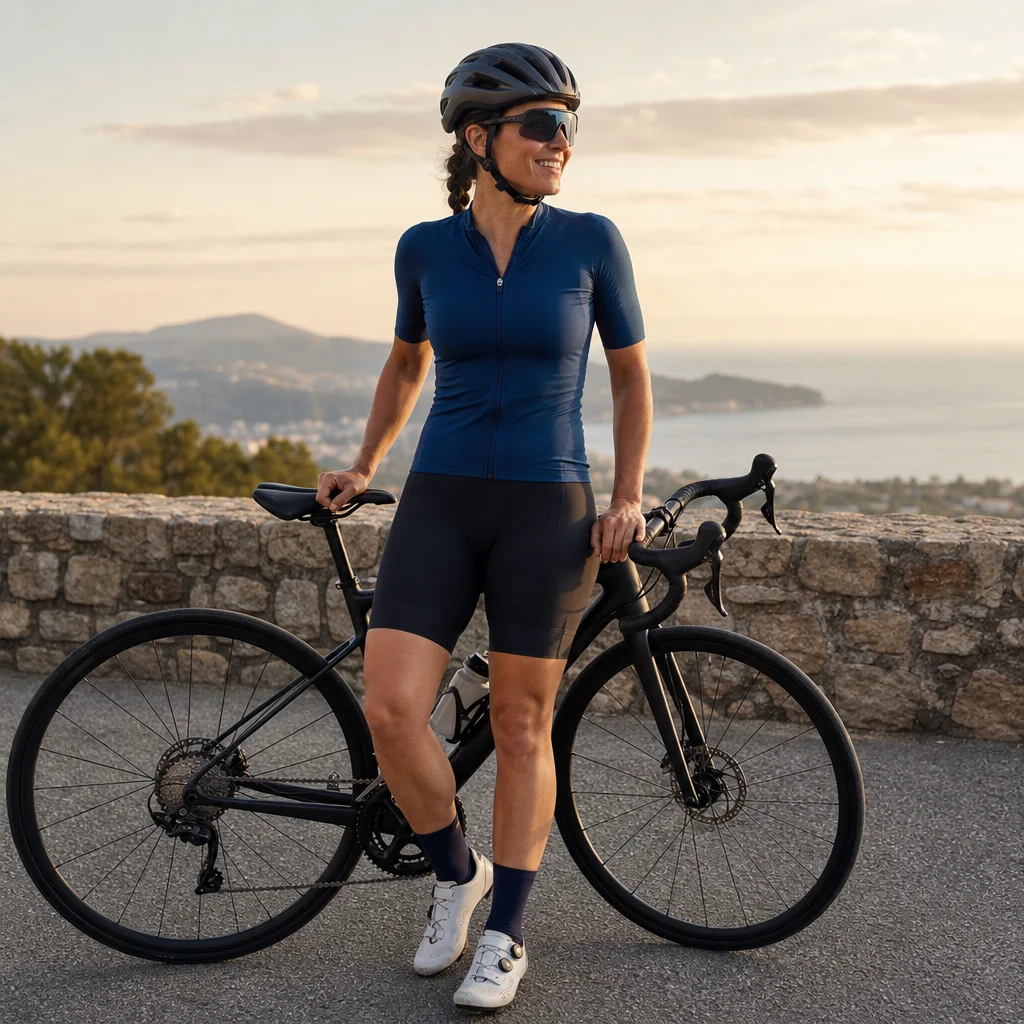
Your first road-cycling route should build confidence, not test every skill at once. A route that looks short on a map can become uncomfortable when it includes heavy traffic, steep climbs, rough pavement, confusing intersections, or no easy way home.
The common mistake is treating distance as the main measure of difficulty. For a beginner, a shorter route with hills and stressful roads may feel much harder than a slightly longer route on calm, predictable streets. Choose for control and flexibility first. Fitness will develop as you ride.
Start with the experience you want
Before opening a route-planning app, decide what would make the ride feel successful. You might want a quiet loop, a gentle out-and-back, a ride that includes a café stop, or simply an hour of steady pedaling without complicated navigation.
Keep the first goal modest and specific. For example:
- Ride for 45–60 minutes at an easy pace.
- Stay on roads or paths where you feel comfortable controlling the bike.
- Include one planned rest point.
- Finish with enough energy to handle the trip home.
This helps you avoid selecting a route just because it looks impressive. A comfortable first route isn't a test of toughness. It’s a way to learn how your bike, body, and local roads work together.
Evaluate more than the total distance
Distance still matters, but it should be considered alongside the route’s total climbing, surface, traffic, and navigation demands.
A useful first-route range might be anywhere from 5 to 15 miles, depending on your fitness, previous riding, weather, and access to safe roads. That range isn't a rule. If you’re new to cycling or returning after a long break, a shorter route may be the better choice. If you already walk, run, commute, or exercise regularly, you may be comfortable going farther.
The key question isn't, “Can I physically cover this distance?” Ask instead:
Can I cover this distance while staying relaxed, navigating safely, and keeping enough energy for unexpected delays?
Allow time for stops, wrong turns, mechanical issues, and a slower pace than you expect. A route that uses nearly all your available energy leaves little room for problems.
Check the traffic before the scenery
An attractive route can still be a poor first ride if it depends on roads with fast, continuous traffic. Beginners often focus on landmarks, parks, or low mileage and overlook how demanding a road feels from the saddle.
Look for roads with:
- Lower traffic volumes.
- Reasonable sight lines at intersections.
- A usable shoulder, bike lane, or wide edge where appropriate.
- Fewer frequent merges and lane changes.
- Predictable access to crossings or turns.
A quiet neighborhood street may be more comfortable than a major road, but it can introduce other challenges such as parked cars, speed bumps, narrow lanes, or many stop signs. There is no single road type that is always safest. You’re looking for a setting where you can see hazards early and make decisions without rushing.
If a route crosses a busy road, identify the crossing before you ride. Check whether the turn requires multiple lanes, whether the intersection is easy to understand, and whether a calmer alternative is available. For a first outing, reducing one difficult intersection can make the whole ride feel easier.
Check the roads you’re about to use: Confirm current local cycling rules, permitted road or trail access, construction, closures, and any restrictions that could change how you safely complete the route. Map information can become outdated.
Treat hills as a comfort issue, not just a fitness issue
A route with modest total climbing can still include one sharp hill that changes the ride completely. Check the elevation profile and look for the steepest sections, not only the total elevation gain.
For a first route, gentle and consistent grades are usually easier to manage than short, steep ramps. Long climbs let you settle into a low gear and steady effort. Sharp climbs can force you to shift quickly, stand on the pedals, or stop if you haven’t learned how to pace them yet.
Downhills deserve attention too. A fast descent may require braking, cornering, and scanning for hazards at the same time. If you’re still building confidence, choose routes with moderate descents and clear sight lines rather than treating speed as a benefit.
When reviewing a route, ask:
- Where is the first climb?
- How steep does it appear to be?
- Is there a rest area or easy turnaround before or after it?
- Does the route finish with a demanding climb?
- Would riding in the opposite direction make the hills easier to manage?
You don’t have to avoid every hill. You want to know what you’re choosing and have a plan for riding it comfortably.
Inspect the road surface and route type
Road surfaces affect comfort, control, and fatigue. Smooth pavement is generally easier for a new road cyclist than broken asphalt, loose gravel, deep cracks, or sections with frequent utility covers.
Many route planners combine different surfaces without making the distinction obvious. A route may look continuous on the map but include a rough shoulder, a packed trail, or a short unpaved connector. That may be perfectly rideable on some bikes and unpleasant or unsuitable on others.
Check the route description, recent rider comments, and street-level imagery where available. Pay special attention to:
- Potholes and patched pavement.
- Gravel or dirt sections.
- Narrow bridges.
- Drainage grates and rail crossings.
- Roads that become rough after winter weather.
- Trails with busy pedestrian traffic.
Your tires and bike setup also matter. A road bike with narrower, higher-pressure tires may feel less forgiving on rough surfaces than a bike designed for mixed terrain. If you’re uncertain, choose the smoother option for the first ride rather than relying on equipment to make an unfamiliar surface comfortable.
Build in bailout options
A bailout option is a simple way to shorten, pause, or end the ride if conditions aren’t working. It might be a train station, a bus route that accepts bicycles, a nearby friend or family member, a parallel road back to the start, or a loop that can be cut short.
Not every transportation system allows bicycles at all times, and access rules can vary. Treat public transit as a possible backup only after checking the current local policy and schedule.
You can also create your own bailout points:
- Design a loop with a shorter version at the halfway point.
- Plan a rest stop near the route’s most distant point.
- Choose roads that return toward home instead of leading farther away.
- Mark a few recognizable intersections where you can turn back.
- Save the route offline and carry a charged phone.
An out-and-back route is often easier to manage than a complex loop because you learn the road as you go and can reverse course. The trade-off is that you’ll ride the same section twice. For a first outing, that predictability is usually worth more than variety.
Make navigation simple
Navigation takes attention away from traffic, road conditions, and your riding technique. A route with many turns may be short but mentally tiring.
Prefer a route with long, clear sections and fewer complicated intersections. If you use turn-by-turn directions, review the route before leaving and identify the turns that matter most. Don’t rely exclusively on a phone mounted to the handlebars; batteries fail, signals vary, and route instructions can be wrong or confusing.
Save an offline map if your app supports it. Carry the address or location of your starting point, and know how to describe your route if you need assistance. A small cue sheet in your phone’s notes can help: “right at the library, left after the bridge, turnaround at the park.”
Avoid making your first ride a navigation experiment. Test the app at home, confirm that the route follows roads you can use, and check that the planned direction matches the one you intend to ride.
Match the route to the day
The same route can feel comfortable one day and stressful the next. Wind, heat, cold, rain, poor visibility, and busy event traffic all change the experience.
For your first route, choose a day with moderate conditions and enough daylight. Start with time to spare so you aren’t pressured to rush home. If the forecast becomes unfavorable or the road feels busier than expected, shorten the ride without treating that decision as failure.
Your route should also match your current energy. A route that seems appropriate after a good night’s sleep may be too ambitious after a long workday. Flexibility is part of good planning.
Use a simple route checklist
Before you commit, review these points:
- Distance: Can you finish without using all your energy?
- Traffic: Are the busiest roads and intersections manageable?
- Climbing: Do you know where the steepest sections are?
- Surface: Is the pavement suitable for your bike and experience?
- Navigation: Can you follow the route without constant phone use?
- Bailouts: Where can you turn back, stop, or shorten the ride?
- Conditions: Do the weather and daylight suit the route?
- Support: Do you have water, basic repair supplies, and a charged phone?
If several answers are uncertain, simplify the route instead of hoping the problems won’t matter.
Make your first route easier to improve
After the ride, note what actually made the route comfortable or difficult. Maybe the distance was fine but the traffic was tiring. Maybe the hills were manageable, while the rough surface made your hands and shoulders uncomfortable. These observations are more useful than judging the ride only by miles completed.
For your next route, change one major variable at a time. Add a few miles, introduce a gentle climb, or explore a busier road—not all three together. This makes it easier to understand your limits and build confidence without unnecessary setbacks.
The best first road-cycling route is one that leaves you with useful information and enough energy to want another ride. Start with manageable roads, gentle terrain, reliable navigation, and a clear way home. Once those basics feel routine, you can gradually add distance, hills, new surfaces, and more ambitious destinations.