Cadence Explained: How Fast Should You Turn the Pedals?
Many new cyclists struggle to choose gears without grinding uphill or spinning uncomfortably downhill. I’ll explain cadence in practical terms, show how it affects comfort and drivetrain wear, and help you find a sustainable pedal speed for different rides.
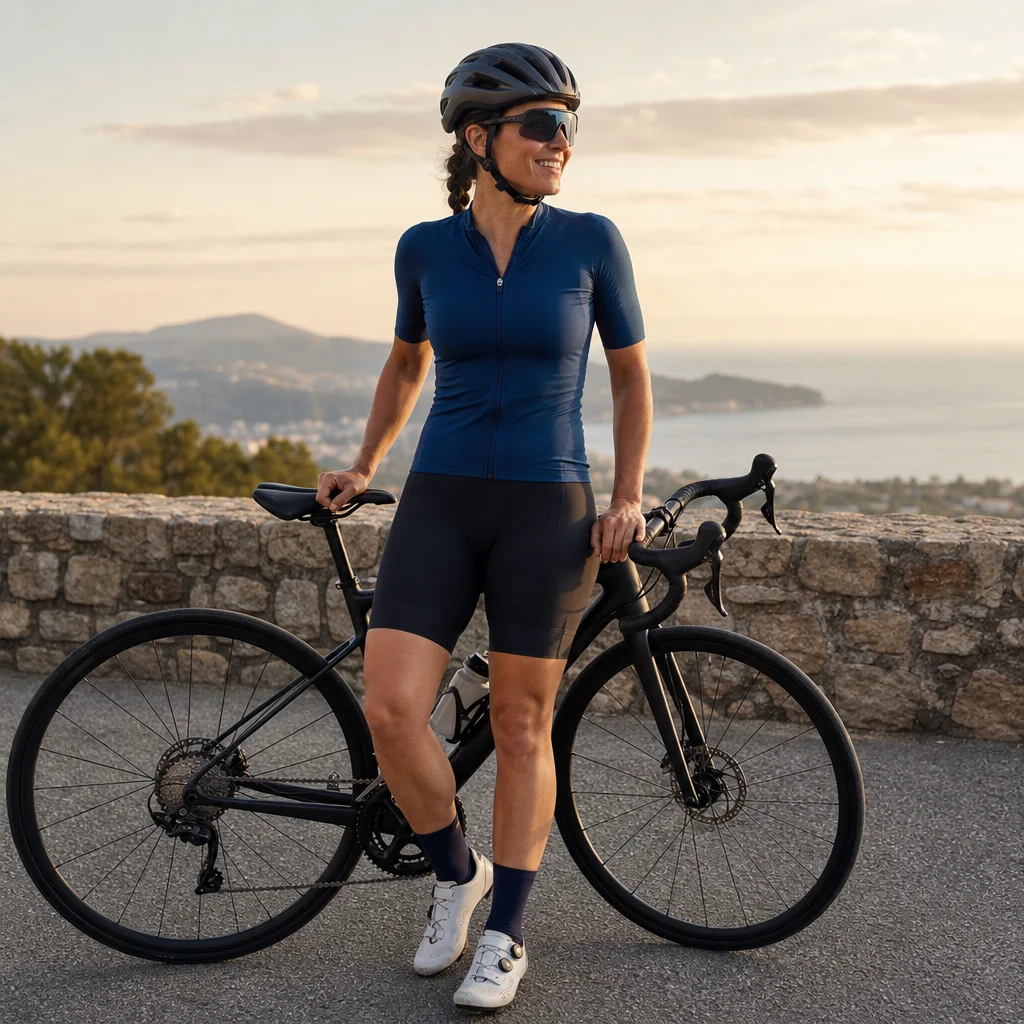
Cadence is simply the speed at which you turn the pedals, usually measured in revolutions per minute (RPM). It matters because the same gear can feel easy or demanding depending on how quickly you pedal—and because choosing a sensible cadence can make your riding more comfortable and your bike easier to maintain.
There isn’t one perfect number for every cyclist. Your fitness, terrain, gearing, riding position, fatigue, and personal preference all affect what feels sustainable. The useful goal isn't to chase a target at all times, but to recognize when your cadence is too slow, too fast, or well matched to the effort.
What cadence changes on the bike
When you pedal in a hard gear at a slow cadence, each pedal stroke requires more force. You may feel this as pressure through your knees and hips, a stiff upper body, or a tendency to rock the bike from side to side.
When you pedal in an easy gear at a fast cadence, each stroke requires less force, but you have to turn the pedals more frequently. That can feel light and comfortable once you’re used to it, or it can feel bouncy and inefficient if your pedal stroke isn’t controlled.
Changing gears lets you adjust this balance. A lower gear generally makes it easier to keep the pedals moving on a climb. A higher gear lets you avoid spinning too quickly on a descent or a fast, flat section.
Cadence also influences how evenly you load the drivetrain. Grinding in a very large gear at low speed places more force through the chain, chainrings, cassette, and rear derailleur than pedaling a more suitable gear at a smoother rhythm. That doesn’t mean a short slow climb will damage your bike, but avoiding unnecessary strain is sensible for long-term reliability.
A useful starting range—not a rule
Many recreational riders find a moderate cadence comfortable, often somewhere around 70 to 90 RPM on level ground. Some riders naturally prefer slower cadences, while others are comfortable turning the pedals faster. Both can work.
Treat any number as a starting point rather than a pass-or-fail standard. A cadence that feels smooth for ten minutes may feel different after an hour. Your ideal rhythm can also change with the road:
- Flat roads: A moderate, steady cadence usually helps you maintain speed without excessive force.
- Short climbs: You may briefly accept a slower cadence if changing gears would interrupt your rhythm or the hill ends quickly.
- Long climbs: Shifting earlier can help you avoid repeated heavy pedal strokes and conserve your legs.
- Descents: A higher gear can prevent your legs from spinning beyond a comfortable, controlled rhythm.
- Accelerations: It’s normal for cadence and effort to change temporarily as you build speed.
The important question is, “Can I keep this rhythm without straining?” If the answer is no, shift before the discomfort becomes a problem.
How to tell when your cadence is too low
Low cadence is often obvious because the bike feels heavy under each stroke. You may notice that you’re pushing down hard, holding your breath, or using your upper body to help force the cranks around.
You may also shift your weight dramatically from side to side. On a climb, this can make the bike feel less stable, especially if the road surface is uneven or you’re tired.
Try shifting to an easier gear while keeping your effort steady. The change should reduce the force needed for each pedal stroke. You don’t need to make the pedals fly; you’re looking for a smoother, more repeatable motion.
A low cadence isn't automatically bad. It can be appropriate for a brief, steep ramp or when you’re deliberately riding slowly. The concern is making heavy, grinding efforts your default whenever the road rises.
How to tell when your cadence is too high
A high cadence can feel like your feet are rushing ahead of the rest of your body. You may bounce in the saddle, lose control of your pedal stroke, or find it difficult to keep your breathing and effort settled.
Shift into a slightly harder gear and allow your cadence to come down gradually. Avoid making a large gear change that suddenly increases the force on your legs. Small adjustments are easier to control, particularly in traffic or on a crowded shared path.
Learning to pedal faster takes coordination. Start with brief, relaxed periods on a flat road rather than trying to maintain a fast cadence for an entire ride. Keep your shoulders loose, your hands light on the bars, and your hips stable.
How to choose a gear before the hill gets steep
A common mistake is waiting until you’re already struggling to shift. By then, you may be applying too much force to the pedals, and shifting under that load can be noisy or hesitant.
Look ahead and shift into an easier gear as the road begins to rise. Continue pedaling smoothly while you make the change. If the climb becomes steeper, shift again rather than forcing the current gear for as long as possible.
On rolling roads, this habit also reduces unnecessary drivetrain stress. Anticipating terrain helps you avoid abrupt, heavily loaded shifts and makes it easier to maintain a consistent rhythm.
Your front and rear gears work together, but you don’t need to think about every possible combination while riding. For most beginners, frequent small shifts at the rear are enough for minor changes in gradient. Use the easier combinations when you need a substantial reduction in effort for a longer climb.
Cadence and bike maintenance
Cadence is a riding technique, but it affects maintenance because it changes how much force passes through the drivetrain.
A few habits help keep that system running smoothly:
- Shift before you’re fully spent. Anticipating a hill reduces the chance of forcing a shift under extreme pressure.
- Keep the chain clean and appropriately lubricated. A dirty or dry chain creates unnecessary friction and noise, regardless of cadence.
- Avoid cross-chaining when practical. Using the largest chainring with the largest rear sprocket, or the smallest chainring with the smallest rear sprocket, can make the chain run at a sharper angle. Occasional use isn't a disaster, but smoother chain lines generally reduce noise and wear.
- Pay attention to new sounds. Grinding, repeated clicking, or reluctant shifting may indicate adjustment or wear rather than a cadence problem.
- Don’t use cadence to mask a mechanical issue. If the chain skips or the pedals feel uneven, inspect the bike instead of simply changing your pedaling rhythm.
Good cadence habits won’t eliminate normal wear. Chains, cassettes, chainrings, and other moving parts eventually need inspection or replacement. They can, however, help you ride with less unnecessary strain and notice problems earlier.
How to practice without overthinking it
You can improve cadence awareness without buying a sensor or staring at a cycling computer. On a quiet, familiar stretch of road, choose an easy gear and notice how your legs feel at a comfortable effort. Then shift one gear harder and compare the sensation. Repeat with an easier gear.
Focus on three signals:
- Force: Are you pushing heavily on every stroke?
- Control: Are your hips stable and your pedal movement smooth?
- Sustainability: Could you keep the rhythm for several minutes without rushing or straining?
If you have a cadence sensor or a bike computer that displays cadence, use it as feedback rather than a command. Observe the numbers during ordinary riding and note which ranges feel natural on flats, climbs, and descents. Over time, you’ll learn your own patterns.
Short practice intervals can also help. Ride for one or two minutes at a slightly quicker cadence, recover at your normal rhythm, and repeat a few times. Keep the effort moderate. The purpose is coordination, not exhaustion.
Common cadence mistakes
Chasing a number
A target can be useful, but forcing yourself to hold a specific RPM on every road can make riding less comfortable. Terrain and effort should influence your gear choice.
Staying in one gear too long
Some riders avoid shifting because they worry about choosing incorrectly. Frequent, small adjustments are normal and usually make the ride easier.
Waiting for discomfort
If your legs are already grinding on a climb, the most useful shift may have been several seconds earlier. Look ahead and respond to the road before the effort becomes extreme.
Confusing speed with cadence
A fast cadence doesn’t necessarily mean you’re riding fast, and a slow cadence doesn’t necessarily mean you’re riding slowly. Cadence describes your pedaling rhythm; speed also depends on gearing, gradient, wind, and effort.
A simple decision checklist
When deciding whether to shift, ask:
- Do I feel heavy pressure on each pedal stroke?
- Am I bouncing or rushing in the saddle?
- Can I keep this rhythm without tightening my shoulders or holding my breath?
- Is the road about to climb, flatten, or descend?
- Would a small gear change make the chain run more smoothly and the effort more sustainable?
If you’re grinding, choose an easier gear. If you’re spinning without control, choose a slightly harder one. Aim for a rhythm that feels smooth, stable, and repeatable—not a universal ideal.
On your next few rides, practice shifting before hills, notice how cadence changes your effort, and listen for drivetrain noise. That combination of observation and timely gear choice will help you ride more comfortably while supporting the bike’s long-term reliability.