Brake Before the Corner: A Practical Guide to Speed Control
I’ll explain how to read an unfamiliar bend, reduce speed while your bike is upright, and recover when a corner feels tighter or faster than expected. You’ll also learn how surface conditions, visibility, and braking technique affect a predictable line.
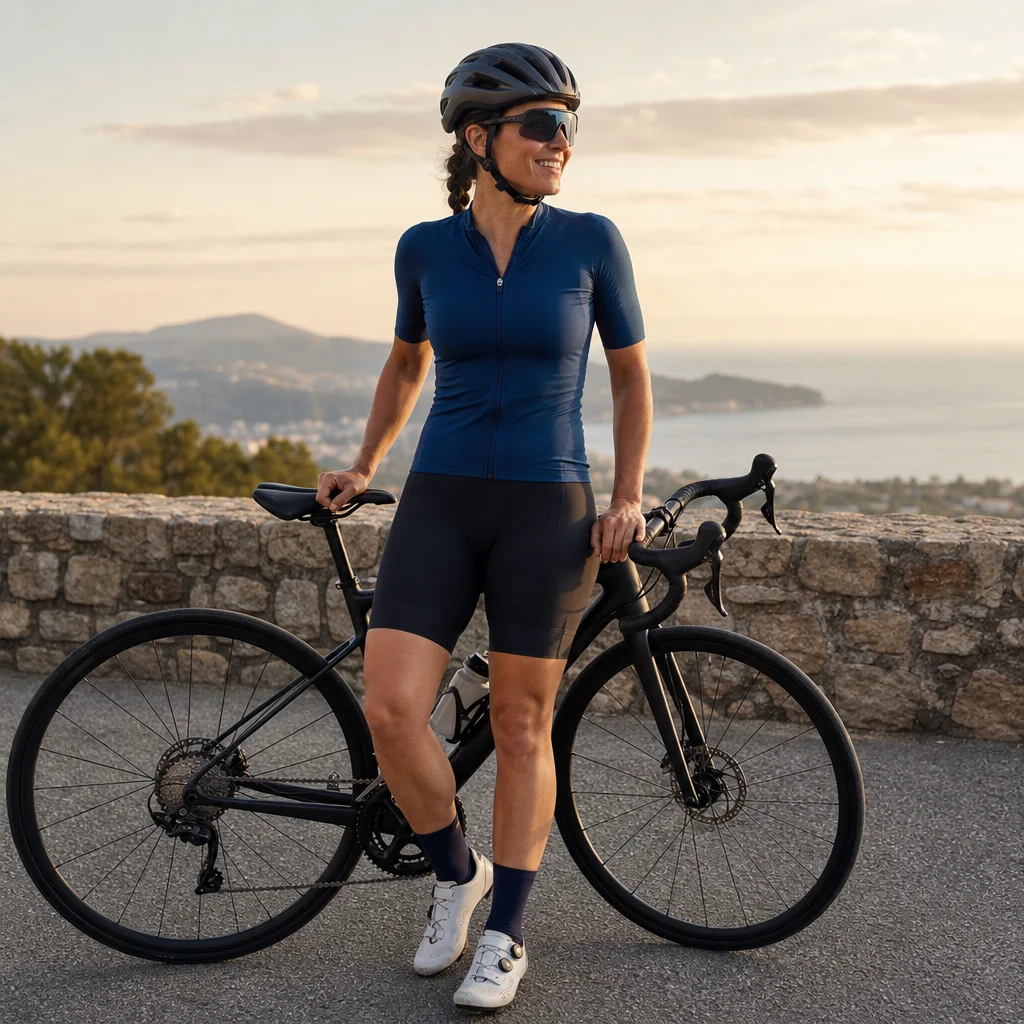
A corner can feel difficult for a simple reason: you entered it carrying more speed than the available view, grip, or turning space allows. The most reliable solution isn't to brake harder halfway through every bend. It’s to assess the corner early, finish most of your braking while upright, and leave yourself enough control to adjust.
That approach still matters when a corner surprises you. If you misjudge a bend, the goal is to recover calmly rather than stare at the outside edge, grab a handful of brake, or drift across the road.
Read the corner before you commit
Start assessing the bend as soon as you can see it. Look for four things:
- How much can you see? A wide-open bend gives you more information than a blind corner hidden by trees, buildings, or a rise.
- How tight is it likely to be? The visible shape of a road can be misleading. A corner that appears to open may tighten after the first few feet.
- What is the surface doing? Watch for gravel, wet leaves, painted markings, potholes, drain covers, loose material, and patches of worn pavement.
- What could change your line? Consider oncoming traffic, parked cars, pedestrians, animals, cyclists, and vehicles cutting across the center of the road.
Your speed should match the least forgiving part of that picture. A blind bend, a damp surface, and limited escape space all call for more margin than a dry, open corner with a clear view.
Don't use the apparent speed of another rider as your reference. Their tires, braking skill, bike setup, visibility, and risk tolerance may be different from yours.
Check the rules for your route: Before riding unfamiliar roads, confirm the local traffic rules for lane position, passing, and required lighting or reflective equipment. Laws and official safety guidance vary by jurisdiction, and road conditions can change after weather or construction.
Brake first, then turn
The basic sequence is straightforward:
- Look through the corner.
- Choose a speed that leaves room for correction.
- Brake progressively while the bike is mostly upright.
- Release the brakes as you begin the main part of the turn.
- Maintain a light, steady pedal or coast through the bend.
- Accelerate only when you can see the exit and the bike is becoming upright.
“Brake before the corner” doesn’t mean you must stop braking at an exact painted line. It means you should do most of your slowing before asking the tires to provide significant cornering grip.
Tires have a limited amount of grip to divide between braking, turning, and accelerating. If you’re already leaning substantially and then brake sharply, the tires have less reserve for the turn. That can cause the bike to stand up, run wide, or lose traction on a dirty or wet surface.
Use both brakes smoothly. The front brake generally provides more stopping power because braking shifts weight toward the front wheel, but that doesn’t make the rear brake irrelevant. A controlled squeeze of both levers helps you slow without an abrupt change in balance. As the bike leans, ease the pressure rather than pulling harder because the corner feels alarming.
Avoid pumping the brakes repeatedly when you could apply steady, measured pressure. Smoothness makes it easier to judge how quickly you’re slowing and keeps your hands ready for a small correction.
Choose a line that preserves options
For ordinary road riding, a safe cornering line is usually less aggressive than the fastest possible racing line. Position yourself so you can see as much of the bend as possible without crossing the center line, entering an opposing lane, or cutting across a shoulder where hazards may collect.
A useful sequence is outside, inside, outside within your own lane:
- Approach from the side that gives you the best view.
- Move toward the inside only after you’ve reduced speed and confirmed that the road is clear.
- Let the bike drift back toward the outside of your lane on the exit, rather than forcing a tight turn.
This isn't an invitation to use the full lane without thought. Stay within your legal road position and leave room for traffic, obstacles, and errors. On a blind bend, keep extra distance from the center line and the road edge. A vehicle may appear with little warning, and debris is often pushed toward the margins.
Look toward the exit, not at the ditch, guardrail, curb, or pothole you’re trying to avoid. Your bike tends to follow your visual focus. Keep your head up and use brief glances to identify hazards without locking your attention onto them.
Keep your body and controls quiet
Relax your grip, bend your elbows slightly, and support your upper body without stiffening your arms. A rigid posture can transmit every bump into the handlebar and make small steering corrections feel larger than they are.
Lean the bike naturally into the turn while keeping your hands light. You don’t need to force the handlebar into a dramatic steering angle at normal road speeds. Look through the bend, keep your weight balanced, and allow the bike to follow a smooth arc.
Coasting is often appropriate when you’re learning a corner or dealing with uncertain conditions. On a gentle, predictable bend, light pedaling can help you stay settled. Avoid stamping on the pedals while leaned over, especially if the road is slippery or the corner requires a sudden change of direction.
Your outside foot can be lower as you corner, with pressure through that pedal and a stable connection to the bike. This is a useful habit, but don’t treat it as a rigid rule that overrides comfort or hazard avoidance. The main goals are balance, clearance, and control.
If you enter too fast
The first recovery step is to stop making the problem worse. Don’t panic, stare at the outside edge, or make a sudden steering input.
- Keep your eyes on the road ahead and the intended exit. Identify the open space within your lane.
- Stay predictable. Hold a smooth arc instead of swerving across the road.
- Reduce braking input as lean increases. If you need significant additional braking, do it as smoothly as possible and begin bringing the bike more upright.
- Use the full safe width of your lane. Let the line open toward the outside only where that space is clear and legal.
- If necessary, prioritize staying upright over maintaining speed. A controlled run wide within a clear lane is preferable to crossing into traffic or hitting a fixed object.
If the corner tightens and you still need to slow substantially, straighten the bike as much as the road allows before applying stronger braking. That may mean giving up the ideal line and moving toward a safe escape area. Keep looking where you want to go.
If there’s an immediate obstacle, collision avoidance takes priority over maintaining a perfect cornering technique. Brake firmly while trying to keep the bicycle upright and steer toward the clearest available space. Afterward, stop somewhere safe and check yourself, the bike, and the road before continuing.
Common mistakes that make corners harder
Braking only after turning in
Waiting until the bike is leaned over reduces your margin. Start slowing earlier, even if that feels conservative at first.
Entering based on the first half of the corner
A bend can tighten, become steeper, or hide debris. Set speed using what you can’t yet see as well as what you can.
Following the road edge too closely
The edge may contain gravel, broken pavement, standing water, or a drainage channel. Keep enough space to make a correction.
Looking at the hazard
Your hands often follow your attention. Scan beyond the hazard toward the open line instead.
Accelerating because the corner seems almost finished
Wait until you can see the exit and the bike is opening toward upright. Early acceleration can push you wide.
Copying a faster rider
Use your own sight distance, grip, fitness, and confidence as the limit. A corner shouldn't become a test of pride.
Practice speed control away from traffic
Find a quiet, clean area where riding and braking practice is permitted. Approach a marked point at a comfortable speed, brake progressively, and aim to reach the point at a slower speed while keeping your hands and upper body relaxed. Repeat until the braking feels predictable.
Then practice gentle turns at several speeds, reducing speed before each turn rather than braking late. Leave generous space and avoid practicing on wet, sandy, or crowded surfaces.
You can also rehearse the recovery sequence mentally: look through the corner, stay in your lane, reduce speed smoothly, and bring the bike upright if stronger braking is needed. A familiar response is easier to access when a real bend feels unexpectedly tight.
Practical next steps
On your next ride, choose three corners and ask yourself:
- What could I see before entering?
- Where did I finish braking?
- Did I have room to adjust my line?
- Was the surface or visibility worse than it first appeared?
If you repeatedly find yourself braking hard while leaned over, slow down earlier and use a larger margin before the turn. The aim isn’t to corner as fast as possible. It’s to arrive with enough control that an unfamiliar bend, surface change, or small mistake doesn’t become an emergency.