Climb Seated or Standing: How to Choose for a Recreational Ride
When a climb steepens and your cadence drops, choosing between the saddle and the pedals can feel uncertain. I’ll explain how each position affects traction, comfort, fatigue, and control so you can make a sensible choice on recreational rides.
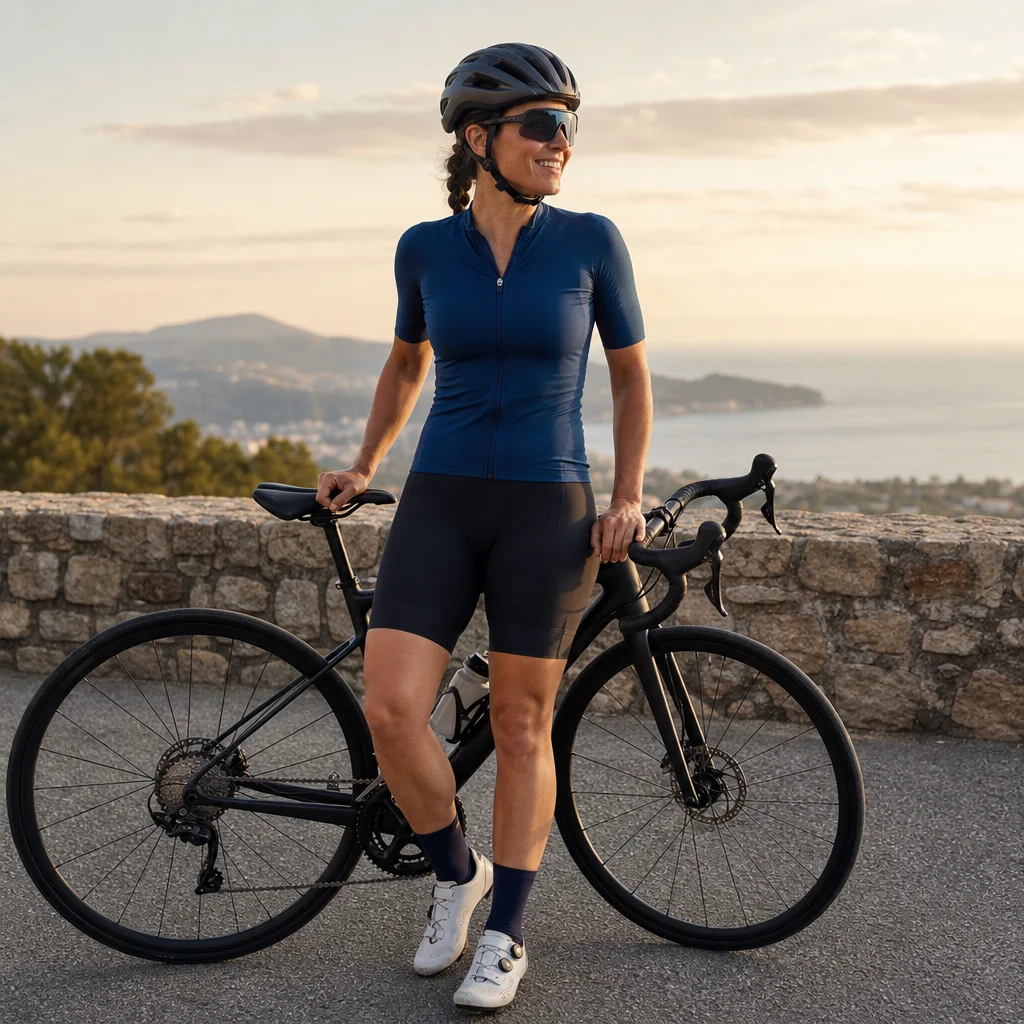
A climb often gives you only a few seconds to decide whether to stay seated or stand. You may want more power, but standing can also disturb your rhythm, increase fatigue, or reduce rear-wheel grip if you shift your weight poorly.
Neither position is automatically better. Seated climbing is usually the efficient default, while standing is a useful tool for short changes in gradient, cadence, and body position. The best choice depends on the slope, surface, gear, fatigue, and how long the climb lasts.
Why seated climbing works so well
When you stay in the saddle, your body remains supported by the bike. Your legs can turn the pedals without lifting your body weight on every stroke, which generally makes the effort easier to control over a long climb.
A seated position also gives you a consistent relationship with the pedals. That can help you maintain an even cadence and avoid sudden surges that use more energy than you intended.
Seated climbing is useful when:
- The gradient is steady and manageable.
- You’re riding a long climb and want to conserve energy.
- The road surface is loose, wet, or uneven.
- You’re trying to keep the rear wheel planted.
- Your breathing and effort are already near your sustainable limit.
- You’re riding in a group and need to avoid unnecessary accelerations.
Seated climbing doesn't mean riding passively. You can still adjust your hand position, shift gears, change cadence, and use your upper body lightly to keep the bike moving smoothly.
What standing changes
Standing removes the saddle from the equation and lets you use more of your body to drive the bike. Your arms, shoulders, torso, and body weight all become part of the movement. This can make a short steep section feel more manageable.
It also changes the way your power reaches the pedals. Because the bike moves slightly from side to side beneath you, you can press down on each pedal with more leverage. That extra force can be helpful when the gradient changes suddenly or your current gear feels too difficult.
Standing isn't free power, though. Supporting your body takes energy, and your heart rate may rise more quickly. The larger movement can also make it harder to hold a steady effort, especially if you stand for longer than necessary.
Standing climbing is useful when:
- The road steepens briefly.
- You need to regain momentum after a slow corner.
- You want to stretch or change position after sitting for several minutes.
- You’re responding to a short ramp or rolling rise.
- Your current cadence has become uncomfortably slow.
- You need a brief burst to crest a rise or clear an obstacle.
Think of standing as a controlled change of position, not a sign that you have to attack the hill.
Traction: keep the rear wheel connected
Traction matters most when the road is steep, wet, rough, or covered with loose material. Your rear tire needs enough weight and smooth pedal pressure to stay connected to the surface.
Seated climbing naturally keeps more of your weight over the rear wheel. That can make it easier to maintain grip, particularly when you’re using a light gear and turning the pedals smoothly.
Standing shifts your body forward and can reduce the load on the rear tire. If you stand abruptly or stomp on the pedals, the rear wheel may spin. A sudden loss of grip is more likely on poor surfaces or when the gradient is severe.
If you do stand on a slippery or loose climb, use a gentle transition. Keep your weight balanced, hold the bars without pulling aggressively, and apply power smoothly rather than throwing your full weight into each pedal stroke.
Check the surface before you stand: If the climb is wet, loose, or visibly uneven, prioritize a steady seated position and smooth power. Stand only when you can keep the bike controlled and the rear tire gripping.
Cadence and gearing should come first
Many riders stand because the gear feels too hard, when the better solution is to shift earlier. If your cadence has fallen sharply, choose an easier gear before the climb becomes a struggle.
A suitable climbing gear lets you stay seated more often and limits the need for forceful pedal strokes. You can still stand for a few seconds when useful, but you won’t be forced into it every time the road rises.
Shift before the steepest part when possible. Changing gears while pushing hard can be less smooth, so anticipate the gradient and make smaller adjustments as the road changes.
Your preferred cadence will depend on fitness, gearing, terrain, and personal comfort. You don’t need to chase a particular number on every climb. Aim for a rhythm that lets you breathe steadily and apply pressure without rocking your upper body excessively.
Comfort and fatigue over a full ride
Standing can relieve pressure in one area while creating fatigue somewhere else. It may give your back, hips, or sitting bones a short break, but it also asks more from your calves, arms, shoulders, and core.
For a recreational ride, the most useful approach is usually to alternate positions before either one becomes uncomfortable. Stay seated for the main body of the climb, then stand briefly to change position or handle a steeper section. Return to the saddle once your cadence and control are comfortable again.
If your hands, shoulders, or neck become tense whenever you stand, check your grip first. Keep your elbows slightly bent and avoid pulling hard on the bars. Your hands should guide the bike rather than support your entire body weight.
If you feel knee pain, don't assume that standing will solve it. A harder gear, low cadence, poor bike setup, or excessive force may be contributing to the problem. Shift easier, reduce the effort, and address persistent pain rather than repeatedly pushing through it.
Match your technique to the climb
Long, steady climbs
Use seated climbing as your baseline. Settle into a sustainable gear and cadence, keep your breathing controlled, and save standing for occasional position changes or short steeper sections.
Standing for the entire climb may feel strong at first but can make the later part unnecessarily difficult. If you have several miles remaining, consistency is usually more valuable than a brief increase in power.
Short, steep ramps
A brief standing effort can help you maintain momentum when the gradient changes suddenly. Shift into an appropriate gear before the ramp if you can, then stand smoothly and return to the saddle once the road eases.
Avoid sprinting at every short rise unless the ride specifically calls for it. Repeated surges can leave you fatigued well before the end of the route.
Loose or uneven climbs
Favor seated climbing and smooth pedal pressure. Keep your hands relaxed, look ahead for the cleanest line, and avoid sudden steering or gear changes while applying heavy force.
If standing is necessary, use it briefly and stay deliberate. Your objective is control and traction, not maximum speed.
Rolling terrain
Standing can work well over the crest of a small rise or during a short acceleration into the next section. On rolling roads, try not to stand simply because the front of the bike points upward. Shift early, keep your rhythm, and use your position according to the effort rather than the appearance of the hill.
A simple decision process
When a climb begins, ask yourself three questions:
- Can I maintain a comfortable cadence while seated? If yes, stay seated and keep the effort even.
- Has the gradient or terrain changed enough to require more leverage or a position change? If yes, stand briefly and smoothly.
- Am I standing because I need to, or because my gear is too hard? If the gear is too hard, shift before increasing your effort.
You can also use a simple rhythm: seated for efficiency, standing for adjustment. That adjustment might be a short ramp, a change in body position, a traction decision, or a controlled effort over the top.
Practice without turning every climb into a test
Choose a familiar, low-traffic hill and try several approaches. Ride one section seated in an easier gear, then repeat it while standing briefly at the steepest point. Notice your breathing, cadence, grip, steering, and how your legs feel afterward.
The goal isn't to prove that one technique is faster. It’s to learn which position helps you stay relaxed and controlled in different situations. Keep the effort moderate while you experiment, and leave enough energy to finish the ride comfortably.
Practical next steps
For your next recreational ride, make seated climbing your default. Shift early enough to preserve a steady cadence, then use standing for short steep sections, brief accelerations, or a change of position.
Pay attention to three signals: whether the rear tire remains planted, whether your upper body stays relaxed, and whether you can return to a sustainable effort afterward. If all three are under control, your choice is probably working. If not, sit down, shift easier, and rebuild your rhythm before trying again.