What to Do When Your Hands Go Numb on a Long Ride
I’ll clarify why your hands can go numb during a long ride and help you work through practical fixes, from lighter grip pressure and changing hand positions to bar setup, gloves, breaks, and signs that deserve professional assessment.
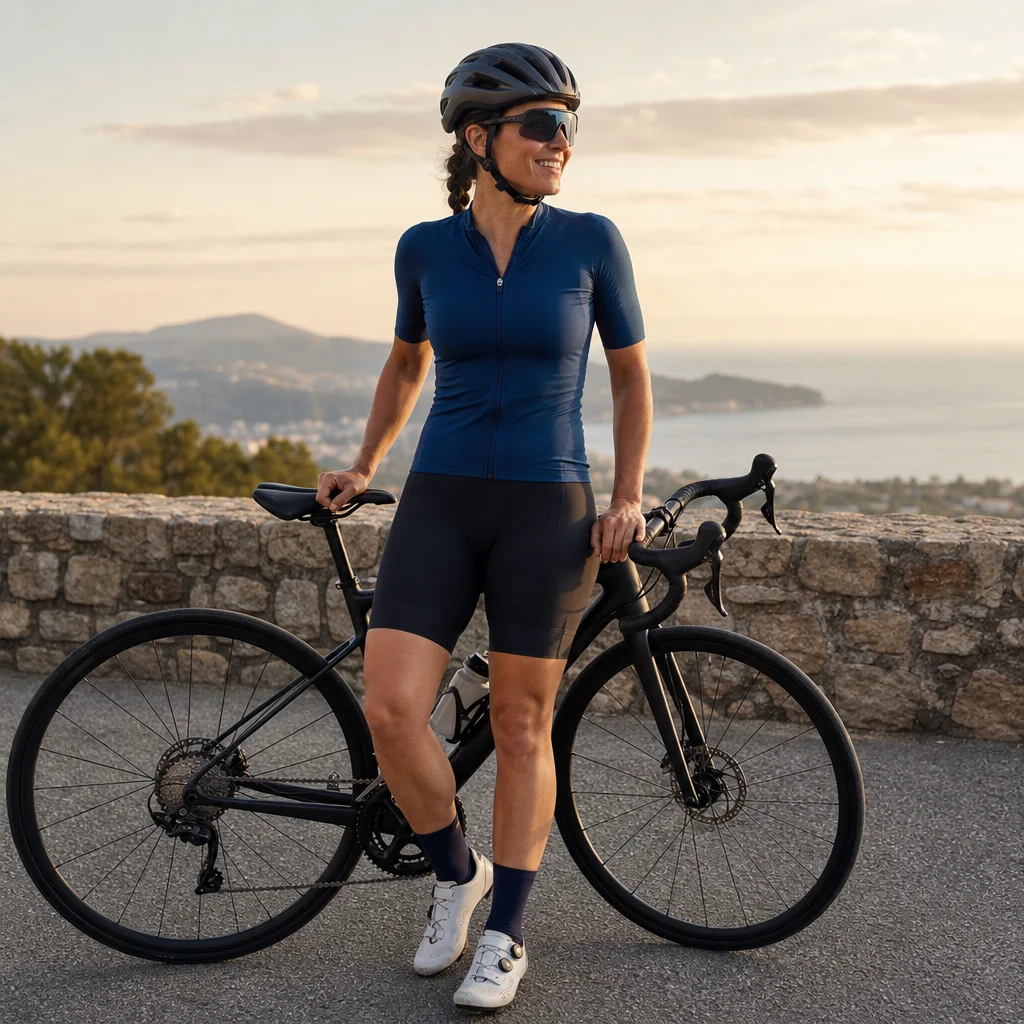
Hand numbness can turn a comfortable ride into a problem you’re trying to ignore. The usual causes are manageable—too much pressure on the handlebars, too few hand positions, an unsuitable bike setup, or vibration—but persistent or worsening symptoms deserve more care than simply shaking out your fingers.
The goal is to reduce pressure on vulnerable nerves while you’re riding, then identify what caused it so the problem doesn’t return on your next long outing.
What hand numbness usually means
Your hands contain several nerves that provide sensation and help control movement. When your riding position, grip, or road vibration puts prolonged pressure on those nerves, you may notice tingling, pins and needles, reduced sensation, or a dull ache.
The location of the symptoms can offer a useful clue:
- Numbness in the little finger and ring finger: Pressure may be affecting the ulnar side of your hand, often where it rests on the bar.
- Numbness in the thumb, index finger, or middle finger: Pressure may be affecting the median side of the hand.
- Numbness across most of the hand: A combination of grip pressure, wrist position, vibration, and fatigue may be involved.
- Numbness that travels into the arm or is accompanied by neck pain: The source may be higher up the arm, shoulder, or neck rather than only at the handlebar.
These patterns aren’t a diagnosis. They’re simply a way to think about the problem and decide what to change first.
Check your symptoms before the next long ride: If numbness is severe, keeps returning after you stop, is accompanied by weakness or loss of coordination, or doesn’t settle after riding, seek medical advice rather than treating it as ordinary cycling discomfort. Current safety and medical guidance can vary by situation, so use a qualified clinician for personal assessment.
What to do while you’re still riding
Ease your grip
Many riders hold the bars more tightly as they become tired, descend, ride into a headwind, or feel nervous in traffic. That extra tension can quickly increase pressure through the palms and wrists.
Relax your fingers around the bars rather than clenching them. Your hands should maintain control, but they shouldn’t be doing the work of gripping as if the bike might escape. Keep your thumbs wrapped securely where appropriate, especially when descending or riding over rough surfaces.
A useful check is to briefly wiggle one finger at a time on a calm, straight section of road. If you can’t loosen your grip without feeling unstable, reduce your speed and choose a safer moment to reset your position.
Change hand positions regularly
Staying in one position for too long concentrates pressure in the same place. Move between the hoods, drops, and tops when each position is appropriate for your bike, traffic conditions, and terrain.
On a road bike, the hoods are often a good default because they provide access to the brakes and allow you to change wrist angle. The tops can give your hands a break on a quiet, controlled section of road. Use the drops when you need their lower position and secure braking access, rather than forcing yourself to stay there simply because the ride is long.
Don’t make position changes on a busy road, during a technical descent, or whenever you need both hands fully focused on control.
Open and move your hands
When conditions are safe, briefly straighten your fingers, rotate your wrists gently, or lift one hand at a time to relax it. Keep these movements small and controlled. You don’t need an elaborate stretch while riding; you need to interrupt continuous pressure.
If the numbness is increasing, stop somewhere safe. Continuing until your hands are too numb to brake or steer confidently creates a control problem, not a test of toughness.
Take a real break
A short stop lets you inspect your hands, change your posture, drink, and determine whether sensation is returning. Walk around instead of remaining folded over the bike.
If symptoms improve quickly and don’t recur after you adjust your position, the issue may be related to temporary pressure or fatigue. If they remain, worsen, or come with weakness, end the ride and arrange appropriate medical advice.
Common bike and riding causes
Your wrists are bent for too long
Your wrists should generally stay in a neutral, comfortable position rather than being sharply extended or angled sideways. A handlebar that is rotated too far, brake hoods positioned unevenly, or a reach that feels too long can all encourage awkward wrist angles.
You may also be supporting too much of your upper-body weight through your hands. This often happens when your saddle is too far forward, your reach is excessive, your handlebars are too low for your flexibility, or you’re fatigued and collapsing through your shoulders.
No single adjustment is correct for every rider. Change one thing at a time and test it on a short ride before committing to a large alteration.
Your grip is too narrow or too broad for you
Handlebar width affects your shoulder, elbow, wrist, and hand position. A bar that doesn’t suit your body or riding posture can create tension that travels down your arms.
If your shoulders feel cramped, your elbows are forced inward, or your wrists repeatedly bend toward the outside, your handlebar setup may need assessment. Rather than selecting a new bar based only on a general rule, consider an experienced bike fitter or knowledgeable shop employee who can evaluate your whole position.
Road vibration is reaching your hands
Rough pavement, high tire pressure, thin bar tape, and rigid equipment can increase vibration. Your hands may respond by gripping harder, creating a cycle of impact and tension.
Check that your tires are inflated appropriately for their size, construction, rider weight, and road surface. More pressure isn’t automatically better: excessive pressure can make a bike feel harsh and reduce comfort on imperfect pavement. Follow the tire manufacturer’s guidance and make changes gradually.
Thicker or more cushioned bar tape can help, but it won’t correct a poor riding position. Treat it as one part of the solution rather than a substitute for setup changes.
Your gloves aren’t solving the actual problem
Cycling gloves can improve comfort by reducing friction and providing some cushioning. Make sure they fit without tight bands across the wrist or excessive bunching in the palm. Padding should sit where your hands contact the bar, not create new pressure points.
More padding isn’t always better. A bulky glove can make it harder to feel the bars and may encourage an awkward grip. If numbness continues with different gloves, look beyond the gloves.
A simple troubleshooting process
Use this sequence instead of changing several parts at once:
- Record the pattern. Note which fingers go numb, how long it takes, which hand is affected, and whether the symptoms stop after the ride.
- Reduce pressure first. Relax your grip, bend your elbows slightly, and support your upper body through your core and posture rather than locked arms.
- Add position changes. Alternate among suitable hand positions and take planned breaks before numbness becomes severe.
- Inspect contact points. Check glove fit, bar tape condition, brake hood alignment, and visible damage or movement in the handlebar setup.
- Test one adjustment. Change a small setup detail or riding habit, then evaluate it on a shorter ride.
- Escalate when needed. Persistent, recurring, or progressive symptoms call for a qualified assessment rather than endless equipment experiments.
Avoid copying another rider’s saddle height, handlebar drop, or tire pressure. Those settings depend on body proportions, flexibility, equipment, road conditions, and riding goals.
When numbness needs professional attention
Arrange medical assessment if numbness is persistent, repeatedly returns despite sensible changes, affects daily activities, or is accompanied by weakness, clumsiness, significant pain, swelling, or symptoms extending up the arm. Sudden neurological symptoms—such as one-sided weakness, facial drooping, trouble speaking, or severe unexplained dizziness—require urgent medical attention.
A bike fit may also be useful when your symptoms clearly appear during riding but you can’t identify a comfortable position. A fitter can look at reach, saddle position, bar height and rotation, hood placement, and how you distribute weight across the bike. Medical and bike-fit advice address different parts of the problem; one doesn’t replace the other.
Your next ride: keep the fix simple
Start with the least disruptive changes: loosen your grip, keep your wrists comfortable, move your hands regularly, and stop before numbness becomes severe. Then check your gloves, contact points, tire setup, and overall position one at a time.
If the problem disappears, keep the habits that helped and build them into longer rides. If it returns quickly or doesn’t resolve after riding, don’t accept numb hands as a normal cost of cycling. A safer, more comfortable setup—and, when appropriate, professional assessment—can help you keep riding with better control.