A Beginner’s Guide to Riding in Strong Sun
I’ll help you avoid the common mistake of treating strong sun as merely uncomfortable, with practical ways to plan shade, clothing, eye protection, hydration, timing, and a safe response when heat exposure starts affecting your ride.
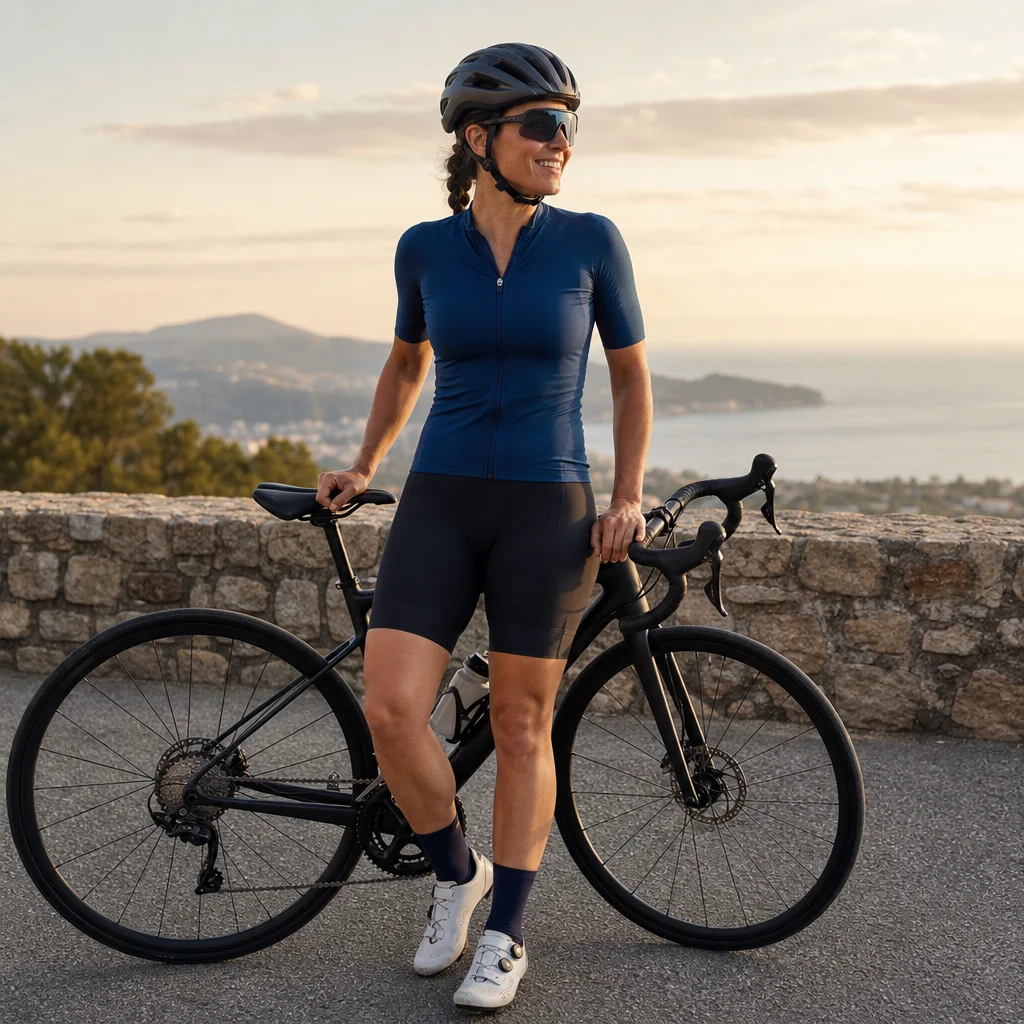
Strong sun can turn an otherwise manageable ride into a difficult one faster than many beginners expect. Bright light, rising skin temperature, reflected heat, and fluid loss all add stress, especially when you’re riding slowly, climbing, or stopping in places without shade. The goal isn’t to avoid sunny rides altogether; it’s to reduce the heat load and recognize when your plan needs to change.
Plan the ride around the heat
The easiest way to manage strong sun is to avoid its worst combination of heat, glare, and limited shade. In warm regions, an early-morning ride is often more comfortable than a late-morning or afternoon outing. The exact best time depends on the season, local weather, humidity, and your route, so check the forecast before choosing when to leave.
A shorter route close to home is a sensible choice when you’re still learning how your body responds. You can turn back, refill bottles, or stop indoors without creating a complicated recovery problem. Save remote routes, long climbs, and unfamiliar roads for days when the temperature and your energy are easier to manage.
Look at the route as more than a line on a map. Identify:
- Shaded roads, parks, and rest areas
- Water fountains, stores, or cafés where you can refill
- Long exposed stretches with no easy stopping point
- Climbs that may require more effort than expected
- Safe places to turn around if you begin feeling unwell
Check the ride-day conditions: Before you leave, compare the forecast, humidity, wind, air-quality information, and any local heat advisories with your planned distance. If conditions are more severe than expected, shorten the route, start earlier, or postpone the ride rather than relying on your original plan.
Strong sun also increases glare. A route that looks comfortable on a map may offer little usable shade at the time you plan to ride. If possible, use a map’s satellite view or a previous ride to identify exposed sections before committing to them.
Dress for heat and sun exposure
Choose clothing that helps sweat evaporate and covers skin that would otherwise receive hours of direct sunlight. A lightweight, breathable jersey with a close but comfortable fit is usually more useful than a loose cotton shirt, which can become heavy and slow to dry.
A cycling jersey with a full or partial zip lets you adjust airflow while riding. Light-colored fabrics may feel less heat-absorbing in direct sun, but fabric weight, breathability, and coverage matter more than color alone. A thin, breathable layer with sleeves can protect your shoulders and arms without requiring repeated sunscreen application to every exposed area.
Don’t make the common mistake of removing all coverage because you feel hot. Bare skin can burn, and sunburn adds another source of heat stress. Instead, combine breathable clothing with shade, airflow, sunscreen, and a slower pace when necessary.
Apply broad-spectrum sunscreen to exposed skin before riding and reapply according to the product’s directions, particularly after heavy sweating or wiping your face. Don’t forget commonly missed areas such as the ears, back of the neck, hands, and the tops of your feet if they’re exposed. Sunscreen reduces ultraviolet exposure, but it doesn’t stop your body from overheating.
A helmet with effective vents can improve airflow, although it won’t make a dangerously hot ride safe. Never cover or alter the helmet in a way that interferes with its fit, ventilation, or safety features.
Protect your eyes and vision
Strong sun and reflected light can make it harder to see road defects, vehicles, and other riders. Wear cycling glasses or sunglasses that fit securely and provide comfortable coverage around the sides of your eyes.
Choose lenses that give you clear vision in the conditions you expect. Very dark lenses can be inconvenient when a route moves between bright sun and deep shade. Photochromic lenses or interchangeable lenses may help if lighting changes often, but clear vision and a stable fit are more important than a particular lens technology.
Avoid using glasses that distort the road or slide when you sweat. Clean lenses before the ride, and carry a soft cloth or a safe way to rinse away dust. If glare makes you squint or look down, slow down until you can see the road clearly.
Drink before thirst becomes a problem
Start the ride reasonably hydrated, but don’t force large amounts of fluid immediately before leaving. Carry enough drink for the route, with a refill plan for longer or hotter rides. Your needs will vary with temperature, effort, body size, clothing, sweat rate, and humidity.
Drink regularly in small amounts rather than waiting until you’re intensely thirsty. On a short, easy ride, water may be sufficient. For a longer or sweatier outing, an electrolyte drink or food containing sodium may be useful, especially if you’re leaving a noticeable amount of salt on your clothing or finishing with a heavy sweat loss. Follow product directions and avoid treating sports drinks as a substitute for a sensible route and pace.
Don’t assume that drinking continuously is always safer. Excessive fluid intake can also cause problems. Use thirst, comfort, ride duration, weather, and your normal sweat pattern as practical guides. If you have a medical condition or take medication that affects fluid balance, ask a healthcare professional for individualized advice.
Food matters too. Strong sun can make a ride feel harder, and under-fueling may look like heat trouble. For a longer ride, carry familiar carbohydrates such as a banana, bar, sandwich, or other easy-to-eat option. Eat before you become shaky or unusually weak.
Pace yourself in exposed sections
Heat exposure becomes harder to manage when you combine it with high effort. Ride at a pace that lets you speak in short sentences, particularly during the first part of the outing. Save hard efforts for conditions where you can recover easily and where help, shade, and water are available.
Use shade stops deliberately rather than waiting until you feel desperate. A brief pause in a cool or shaded place can help you assess your condition, drink, eat, and decide whether continuing is sensible. If you stop, remove your helmet only when you’re in a safe location away from traffic and other hazards.
If your route includes a long climb, consider turning back before the climb becomes a problem. Walking briefly, lowering your effort, or choosing a flatter route isn’t a failure. It’s useful decision-making.
Recognize early signs of heat trouble
Pay attention to changes that are unusual for your effort or that worsen despite slowing down. Warning signs can include:
- Headache, dizziness, nausea, or unusual fatigue
- Muscle cramps or weakness
- Chills or goosebumps despite hot conditions
- Confusion, poor coordination, or difficulty making decisions
- A rapid heartbeat or breathing that doesn’t settle after easing off
- Feeling faint or unable to continue normally
If you notice early symptoms, stop riding in a safe place. Move into shade or an air-conditioned location, loosen or remove excess clothing, cool your skin with water or a damp cloth, and take small drinks if you’re alert and able to swallow. Don’t try to finish the route just because you’re close to home.
Confusion, fainting, seizures, loss of coordination, or a worsening condition can indicate a serious heat-related emergency. Have someone call local emergency services, move the person to a cooler place if it’s safe, and begin cooling while waiting for help. Don’t leave a severely unwell rider alone, and don’t make them continue riding or walking for assistance.
Know when to abandon the route: If symptoms include confusion, fainting, severe weakness, repeated vomiting, or trouble staying coordinated, treat the situation as an emergency rather than a hydration break. Call local emergency services and follow the dispatcher’s instructions.
Recover after a hot ride
Once you’re home, continue cooling down gradually in a comfortable environment. Replace fluids according to thirst, eat a normal meal or snack, and avoid jumping straight into intense exercise. A cool shower can be comfortable, but recovery isn't a reason to ignore symptoms that persist or worsen.
Pay attention to how you feel later in the day. Ongoing dizziness, confusion, vomiting, severe headache, unusual weakness, or other concerning symptoms deserve prompt medical attention. When in doubt, seek help rather than trying to diagnose the problem yourself.
For your next ride, note what actually happened: when you started, how much shade was available, where you refilled, how your clothing felt, and when symptoms or fatigue appeared. Use that information to shorten the route, carry more supplies, change the timing, or reduce the effort.
A simple strong-sun checklist
Before leaving, confirm that you have:
- A route with realistic shade and refill options
- Weather information appropriate to your start time and finish time
- Breathable, sun-protective clothing and sunscreen
- Secure glasses with lenses suited to changing light
- Enough fluid and familiar food for the planned distance
- A way to contact someone or access help
- Permission to turn around if the conditions or your body change
Strong-sun riding is mostly a planning exercise. Start at a cooler time, choose a forgiving route, cover and protect your skin, drink sensibly, and keep the pace controlled. The most important skill is knowing that changing the plan early is far easier than recovering from heat exposure once you’re already in trouble.