What to Pack for a Two-Hour Road Ride in Uncertain Weather
A two-hour ride can become uncomfortable or unsafe when wind, rain, and temperature shift unexpectedly; I’ll help you pack a compact mix of layers, tools, food, and phone protection without weighing down your bike.
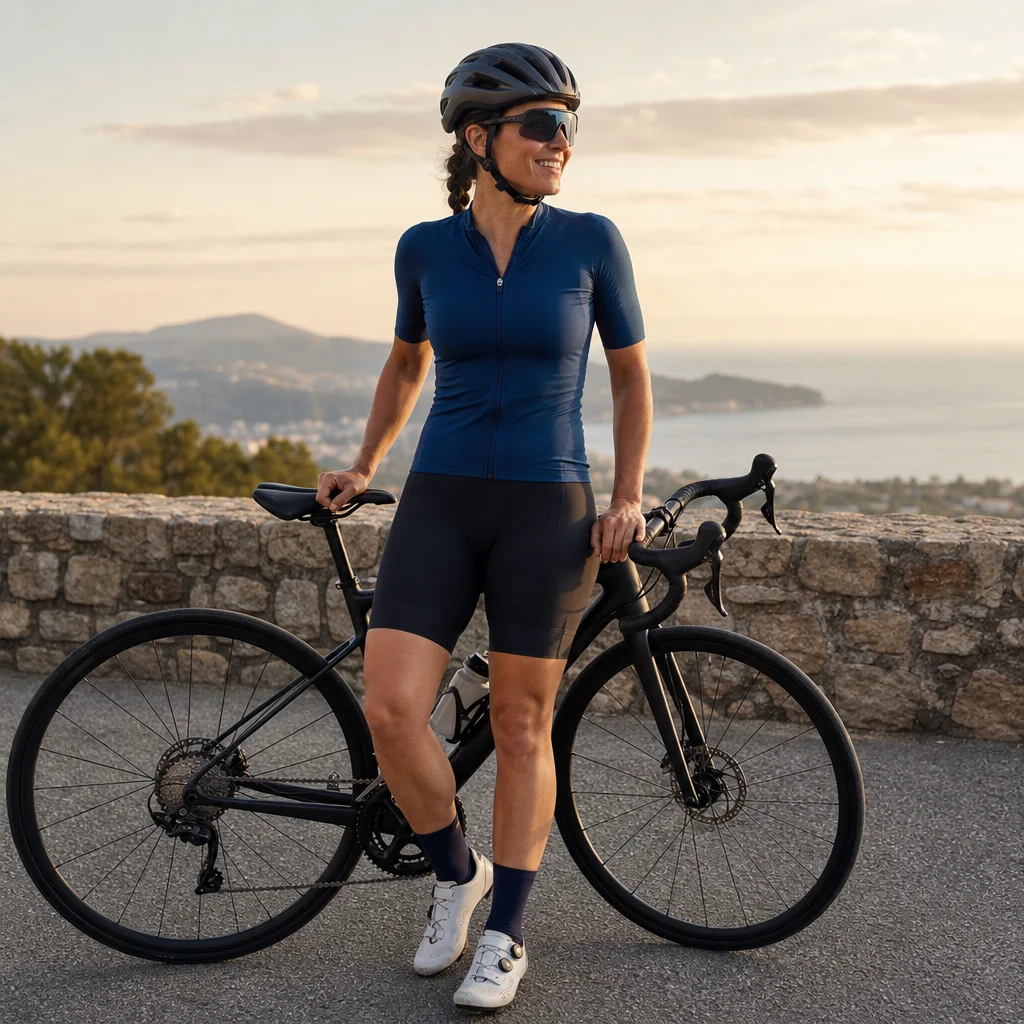
A two-hour ride usually doesn’t need a touring load, but uncertain weather changes the calculation. You may leave in mild sunshine, meet a cold headwind halfway through, and finish with wet roads or steady rain. The goal isn’t to pack for every possible disaster. It’s to carry the few items that protect your comfort, your ability to keep riding, and your route home.
Start with the conditions you can’t control
Before choosing what goes in your pockets or saddle bag, check more than the temperature. Look at:
- The forecast temperature at the start and finish of the ride
- Wind speed and direction
- Rain timing and expected intensity
- The chance of thunderstorms or other severe weather
- Daylight remaining when you expect to return
- Whether the route has exposed roads, long descents, or limited shelter
A forecast can change during the day, particularly when a front is moving through. You don’t need to carry a separate outfit for every possibility, but you should identify the most uncomfortable realistic condition and pack for that.
For example, a mild temperature with strong wind may call for more protection than a cooler but calm day. Rain after sunset is a different risk from a brief shower in bright daylight. Your route and timing matter as much as the headline temperature.
Check the ride window: Before you leave, compare the latest forecast and weather alerts with your planned turnaround time. If severe weather, flooding, or rapidly falling temperatures are expected, changing the route or postponing the ride is safer than trying to pack your way out of a bad forecast.
Use a simple three-part packing system
For most recreational two-hour rides, organize your load around three questions:
- Can I stay reasonably comfortable if conditions change?
- Can I fix a common minor mechanical problem?
- Can I contact someone and get home if the ride stops going to plan?
That usually means one compact weather layer, a small repair kit, enough food and water, and a protected phone. You can carry these in jersey pockets, a saddle bag, or a small frame bag. The best location is the one that keeps the items secure and lets you reach important gear without creating a handling problem.
Avoid filling every available space. A crowded jersey pocket makes it harder to find a tire lever, and loose items can shift while you ride. Pack the items you’re most likely to need where you can reach them quickly.
Pack layers for temperature and wind changes
A thin, packable outer layer is usually the most useful weather item for a short road ride. Choose according to the likely conditions.
Wind vest
A lightweight wind vest takes up little room and can make a noticeable difference on exposed roads, descents, or a cold return leg. It’s especially useful when rain is unlikely but wind is strong. A vest protects your torso while allowing more ventilation than a full jacket.
Rain jacket
If rain is possible during the ride, pack a cycling rain jacket or similarly compact waterproof layer. A jacket that fits over your riding clothes is more useful than one that is so tight you can’t put it on comfortably. Check that the hem and sleeves don’t interfere with your position or the bike’s moving parts.
Water-resistant fabric may handle light showers, but it shouldn’t be treated as equivalent to waterproof protection in sustained rain. Breathability is also a trade-off: a jacket can keep rain out while still feeling damp inside from sweat.
Arm and leg coverage
Arm warmers, knee warmers, or lightweight sleeves can be useful when the start is cool but the forecast suggests warming later. They’re easier to adjust during a stop than a heavy mid-layer. For beginners, one versatile outer layer is often a better starting point than buying several specialized pieces.
Keep the layer packed where it won’t become soaked before you need it. A small plastic bag or waterproof pouch can protect clothing inside a saddle bag, although it won’t replace a properly waterproof bag in heavy rain.
Carry enough food and water
A two-hour ride is short enough that you may not need a full meal, but riding without any food can leave you struggling if the route takes longer than expected. Carry one simple carbohydrate source you’ll actually eat, such as:
- An energy bar
- A banana
- Chews or a gel
- A small sandwich
- Dried fruit
Your choice should match your tolerance and the ride intensity. A steady recreational ride may require less fuel than repeated hard efforts, but delays, hills, navigation mistakes, or a mechanical problem can extend the outing.
Bring enough water for the planned route, with extra capacity when refill points are uncertain. A common approach is one bottle for a shorter or cooler ride and two bottles when it’s warm, windy, or difficult to refill. Exact needs vary with body size, effort, temperature, and access to water.
Don’t rely on a shop or public fountain being open unless you’ve checked it recently. A route that works on paper may have seasonal closures or limited services.
Carry a basic repair kit
A minor puncture is one of the most useful problems to prepare for because it can turn a manageable ride into a long walk. At minimum, carry:
- A spare tube in the correct size and valve type
- Tire levers
- A pump or suitable inflator
- A tire patch kit as backup
If you ride tubeless, carry plugs and the tools needed to use them, but consider bringing a tube as a backup for a larger puncture or sidewall problem. Make sure you know which system your wheels use before leaving.
Your pump should be compatible with your valve type. A cartridge inflator is compact, but it has limited uses and may be less forgiving if you’re unfamiliar with it. A small hand pump is slower but reusable. Whichever option you choose, test it and learn the repair procedure before you need it beside the road.
For a two-hour ride, you generally don’t need a large multitool. A compact tool with the hex sizes used on your bike is a sensible minimum. Add a quick link only if you know the chain standard and how to install it. A tiny amount of chain lubricant may help after a wet ride, but it’s not a substitute for proper cleaning and maintenance later.
Protect your phone and keep it usable
Your phone can provide navigation, weather updates, communication, and emergency contact information, so protect it from both rain and impact. Good options include:
- A waterproof phone pouch
- A sealed top-tube bag
- A zippered pocket inside a rain-resistant layer
- A small plastic sleeve used as a temporary barrier
A phone mounted on the handlebars is easy to see but more exposed to rain, vibration, and a crash. If you use a mount, keep a backup way to protect the phone when conditions worsen.
Start with a charged battery and consider carrying a small power bank on longer or navigation-heavy rides. For a normal two-hour outing, battery drain is often manageable, but constant screen brightness, weak cellular coverage, and GPS use can reduce it faster than expected.
Share your route and expected return time with someone when weather is unsettled or the route is remote. This is especially worthwhile if you’re riding alone.
Choose where each item goes
A balanced setup might look like this:
- Jersey pocket: food, phone in a protective pouch, and keys
- Saddle bag: spare tube, tire levers, patches, and multitool
- Frame bag or remaining pocket: pump, rain jacket, or wind vest
- Bottle cages: water or an electrolyte drink when appropriate
Keep heavier repair items low and secure if possible. Don’t put hard objects directly against your back where they could cause injury in a fall. Avoid loose straps near the rear wheel, chain, crank, or brakes.
Test the packed setup with a short ride. If a pocket bounces, a jacket won’t fit, or the phone is difficult to reach, solve that at home rather than during a weather change.
Adjust the kit for the actual risk
Not every uncertain forecast needs the same response. Use the route to refine your choices.
For a familiar loop close to home, a light layer, repair kit, food, water, and phone may be enough. For a rural route with few services, add more food, extra water capacity, and a more reliable weather layer. For a ride that may finish near dusk, make sure your lights are charged and carry them even if you expect to return in daylight.
If temperatures may fall sharply, prioritize warmth and visibility over shaving a few grams. If heavy rain or storms are likely, the right decision may be to shorten the route or stay home. Packing is risk reduction, not a guarantee that every condition is rideable.
A compact pre-ride checklist
Before rolling out, confirm that you have:
- A weather-appropriate wind vest or rain jacket
- At least one easy-to-eat food item
- Enough water for the route and likely delays
- A spare tube or tubeless backup, tire levers, and inflation method
- A bike-compatible multitool
- A charged, protected phone
- Keys, identification, and a payment method if needed
- Lights when visibility or return timing could change
Pack the smallest kit that covers your realistic risks, then make sure you know how to use everything in it. For most two-hour rides, that balance keeps you prepared without turning a recreational outing into a loaded expedition.