When to Ride Alone and When to Invite Someone Along
Solo and social rides solve different problems, from flexible pacing to shared safety and motivation. I’ll explain how to match the people, route, pace, and backup plan to the ride you actually want.
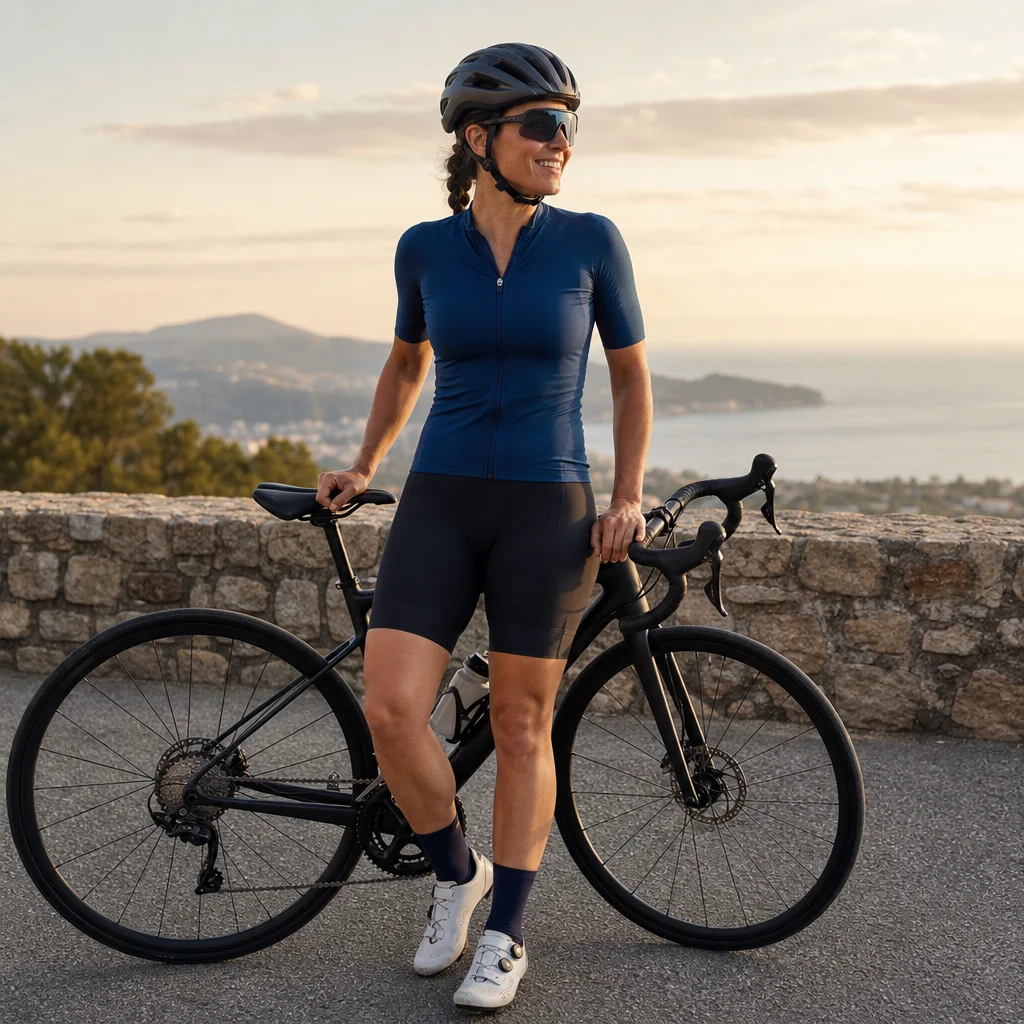
Riding alone gives you control over the route, pace, stops, and start time. Riding with someone else can make a difficult route feel manageable, help you stay motivated, and provide support when a plan goes wrong. The better choice depends less on whether solo or group riding is “best” and more on what you need from that particular ride.
Choose solo riding when flexibility matters most
A solo ride is often the simplest option when your schedule, energy, or goals don’t line up neatly with someone else’s.
You can leave when you’re ready, turn around without negotiating, and adjust the ride as conditions change. That makes riding alone useful for:
- Short rides between other commitments
- Easy recovery spins
- Testing a new bike setup
- Practicing a specific skill
- Exploring a route at your own pace
- Riding when you’re unsure how much energy you have
Solo riding also removes the pressure to match another rider. If your legs feel heavy, you can shorten the route. If you’re feeling strong, you can add a climb or extend the return. That freedom can help you make sensible decisions instead of treating the planned distance as a promise.
It’s particularly useful for technique work. You can practice smooth braking, cornering lines, climbing cadence, or shifting without worrying about holding up a group. Repeating one skill on a quiet, familiar section of road is usually more productive than trying to work on it while also following traffic, conversation, and someone else’s wheel.
Invite someone along when the ride has more uncertainty
A riding partner is valuable when the route, conditions, or your confidence introduce more risk or logistical complexity.
Consider inviting someone when you’re:
- Riding farther than usual
- Using an unfamiliar route
- Starting early or finishing late
- Expecting poor weather or limited services
- Recovering from a mechanical problem or recent illness
- Practicing a skill that feels intimidating
- Trying to stay committed to a training or fitness habit
A partner doesn’t eliminate risk, and two riders can still make poor decisions. However, another person may notice fatigue, navigation errors, or a developing mechanical issue before it becomes a serious problem. They can also help you think clearly when you’re stressed or uncomfortable.
Social riding is especially helpful when the main obstacle is motivation. A planned meeting gives the ride a definite start, and the knowledge that someone is waiting can make it easier to get out the door. Keep the commitment realistic, though. A ride partner should support consistency rather than turn every outing into a test of endurance.
Check the ride conditions first: Before choosing to ride alone, review the current forecast, daylight, route access, and any local cycling or traffic requirements. Conditions and rules vary by location, and a route that feels reasonable with company may not be a sensible solo choice.
Match the rider to the purpose of the ride
The right companion isn't simply the fastest or most experienced person available. Choose someone whose expectations fit the purpose of the outing.
For an easy ride, choose compatible effort
A relaxed ride works best when both riders understand that conversation, comfort, and steady movement matter more than speed. If one person treats the ride as an unannounced workout, the other may spend the day chasing or apologizing.
Before leaving, agree on a broad effort level. You don’t need a laboratory definition of “easy,” but you should know whether the ride is intended to feel conversational, moderately challenging, or deliberately hard.
For skill development, choose patience
If you’re learning group riding, descending, riding in traffic, or managing longer climbs, a calm and observant partner is more useful than an aggressive rider. You need room to ask questions, repeat a section, or stop without making the ride feel like a disruption.
A more experienced rider can help, but experience alone isn’t enough. Look for someone who communicates clearly and respects your limits.
For a challenging route, choose complementary strengths
A strong climber may be useful on a hilly route, while a confident navigator may be more valuable on a complicated urban ride. If your companion has a different strength from yours, discuss how you’ll handle it.
For example, one rider might climb ahead but wait at every agreed junction. Another might take responsibility for navigation while both riders maintain their own sustainable pace. The arrangement should be explicit rather than assumed.
Set expectations before the wheels move
Many unpleasant group rides begin with a vague plan. A few minutes of discussion can prevent most avoidable friction.
Clarify these points:
- Distance and route: Decide whether the stated distance is approximate and identify likely turnarounds or shortcuts.
- Pace: Explain what effort you expect and whether the ride includes faster sections.
- Stops: Agree on whether you’ll stop for food, water, photos, or mechanical adjustments.
- Regrouping: Decide where you’ll wait if someone is dropped, misses a turn, or needs a break.
- Equipment: Confirm that everyone has suitable clothing, water, basic repair supplies, and a charged phone.
- Exit plan: Identify public transport, a safe pickup point, or a shorter route if the ride needs to end early.
This isn’t excessive planning. It’s a way to keep a recreational ride recreational.
If you’re joining a larger group, ask how the group handles different speeds. Some groups use a no-drop approach, while others expect riders to manage themselves. Don’t rely on the label alone; ask what happens at climbs, junctions, punctures, and mechanical failures.
Use solo riding for recovery and reset
A solo ride can be the better recovery tool when you need to control intensity closely. You can stay on flat roads, use an easier gear, and return home at the first sign that the ride is becoming too demanding.
This is also useful after a disappointing or stressful group ride. Riding alone on a familiar route can help you rebuild confidence without repeating the exact situation that caused the problem. Keep the objective narrow: smooth pedaling, comfortable breathing, or simply finishing with energy left.
If you’re recovering from illness, injury, or unusual fatigue, riding alone shouldn’t replace appropriate medical advice. It can also make it easier to ignore warning signs because nobody else is present to question your decision. Tell someone where you’re going and when you expect to return, and be willing to cancel if your condition is uncertain.
Recover well when a social ride goes wrong
Even a well-planned group ride can unravel. The useful response is to slow the situation down rather than force the original plan.
If you’re being dropped
Tell the group early, before the gap becomes difficult to close. Ask where the next regrouping point is, or decide whether you’ll continue on a shorter route. Trying to hide fatigue often creates a larger problem later.
For future rides, compare the actual pace with the agreed pace. You may need a smaller group, a flatter route, or a clearer no-drop arrangement—not necessarily a higher fitness level.
If someone has a mechanical problem
Move everyone to a safe location away from traffic before attempting a repair. Identify the problem, use the tools available, and decide whether the bike is safe to ride. A temporary fix that allows a careful return is preferable to continuing a route that depends on a failing component.
If the repair can’t be completed, use the exit plan. The ride is no longer a normal outing, so distance goals should be discarded.
If the route or weather changes
Reassess together. Heavy rain, poor visibility, extreme heat, flooding, strong wind, or unexpected road conditions can turn a pleasant route into a poor choice. Shortening the ride or stopping isn't a failure of the plan; it’s the correct response to new information.
If the group dynamic feels unsafe
You don’t have to remain in a ride that involves aggressive traffic behavior, pressure to exceed your limits, or unclear communication. Leave at a safe location and notify the group if practical. A cycling invitation is never an obligation to surrender your judgment.
Make solo and social riding work together
You don’t need to choose one style permanently. A balanced routine can use each for a different purpose:
- Ride alone when you need flexibility, recovery, or focused practice.
- Ride with a trusted partner when the route is unfamiliar or the challenge is new.
- Join a suitable group for motivation, navigation, and social connection.
- Keep some independent rides so your confidence doesn’t depend entirely on others.
Before each ride, ask three questions: What am I trying to get from this outing? What could make the plan difficult? Who—or what—would help me respond if that happens?
If the answer points to flexibility and low complexity, ride alone with a sensible check-in plan. If it points to uncertainty, fatigue, navigation, or a new challenge, invite someone who shares your expectations. The strongest choice is the one that gives you enough support to enjoy the ride without creating pressure to continue when conditions say it’s time to change course.