How to Start Riding When You Have No Cycling Friends
Finding people to ride with can feel harder than learning the gears, especially when you’re new and socially hesitant. I’ll show you low-pressure ways to discover suitable routes, beginner events, clubs, and riding partners without committing to an intimidating group ride.
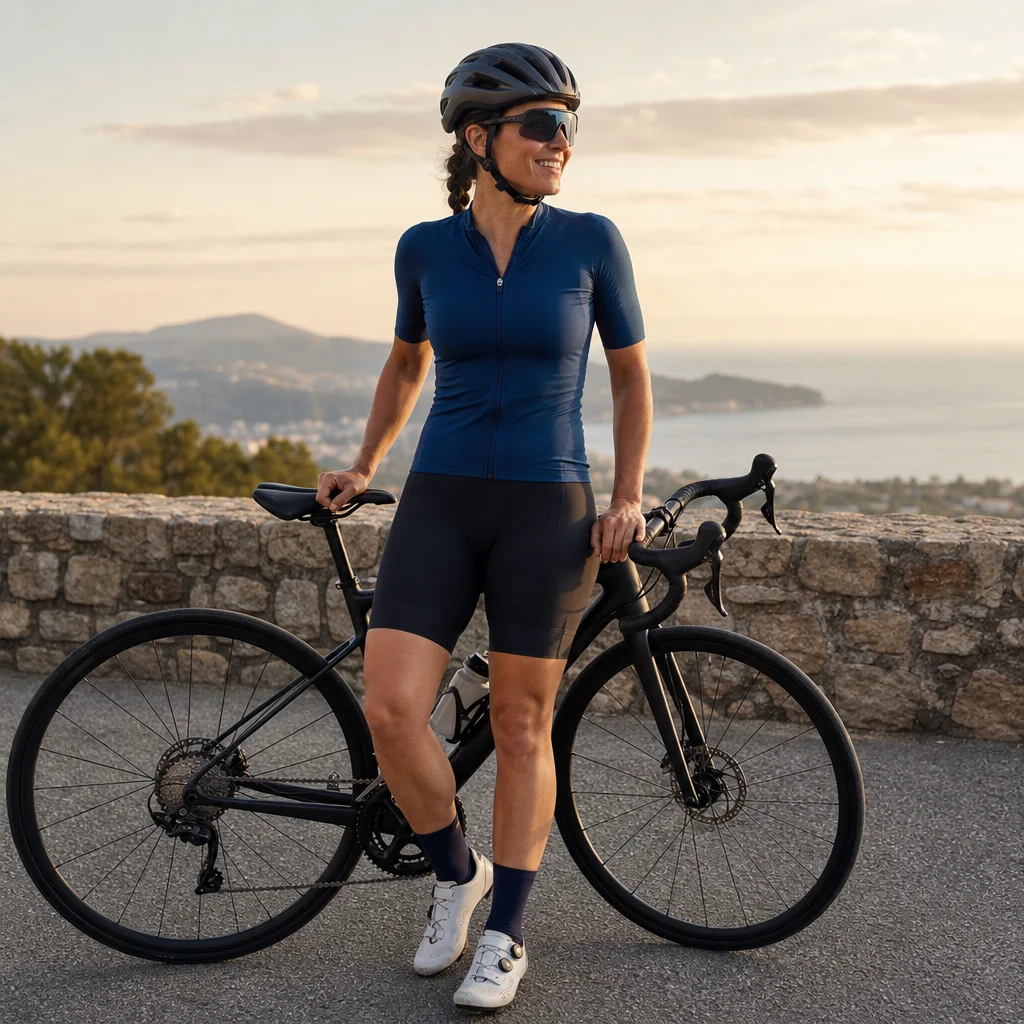
Starting road cycling alone can create a frustrating loop: you want company before you feel confident, but you want confidence before joining other riders. You don’t need an established cycling circle to get started. A gradual approach lets you find safe routes, meet compatible riders, and decide how social you want your cycling to be.
Start with the kind of riding you actually want
Before searching for a club or event, describe your ideal first few rides. Consider:
- How far you’d like to ride
- Whether you prefer quiet roads, paved trails, or city streets
- Your comfortable pace
- Whether you want conversation, training, sightseeing, or simple company
- How much time you can give to a ride
- Whether you’re comfortable riding with strangers
This matters because “group ride” can mean anything from a relaxed coffee outing to a fast, tightly organized training session. If you search without knowing what you need, you may choose an event that is technically open to beginners but still feels overwhelming.
For your first social ride, look for a short distance, a relaxed pace, a clear meeting point, and an organizer who explains what to expect. A two-hour ride with a coffee stop may be a better starting point than a long weekend ride, even if you already have the fitness to complete the distance.
Build confidence with solo rides first
You don’t have to wait for a riding partner before riding outdoors. A few planned solo outings can make a future group ride much less stressful.
Start with a route you can understand easily. Choose roads or paths where you’re comfortable stopping, turning around, or cutting the ride short. A loop near home is often more useful than an ambitious point-to-point route because you’ll have several ways to return if the weather changes or your energy drops.
Practice the skills that become more important around other cyclists:
- Starting and stopping smoothly
- Signaling turns when traffic conditions allow
- Shifting before a hill rather than during a hard effort
- Checking behind you without drifting across the road
- Riding in a straight, predictable line
- Calling out or signaling when you need to slow or stop
- Fixing a flat or at least using your repair tools well enough to get help
A solo ride also helps you learn how long your food, water, and battery supplies last. You’ll be less concerned about slowing down a group when you understand your own limits.
Find routes through local cycling communities
Local cycling communities are useful even before you join a ride. Search for area cycling organizations, bike shops, advocacy groups, community recreation programs, and online cycling forums. Many share route suggestions, beginner calendars, traffic updates, and informal meetups.
Look for route descriptions that include more than distance. Useful details include:
- Traffic levels and road surface
- Steep climbs or technical descents
- Areas with limited phone service
- Water, restrooms, and places to stop
- Busy intersections
- Common start and finish points
- Whether the route is suitable for a road bike
A route that looks easy on a map may include a busy arterial road, a narrow shoulder, or a long stretch without services. Read several descriptions when possible, and treat online route ratings as opinions rather than guarantees.
You can also ask a local cycling group a specific question instead of making a broad request. For example: “Can anyone suggest a mostly flat, low-traffic route of about 10 miles with somewhere to stop for water?” Specific questions are easier to answer and often lead to more useful conversations.
Check the local ride details: Before following a suggested route or attending an event, confirm the current start location, route conditions, road access, weather, required equipment, and any local riding rules with the organizer or relevant local authority.
Use bike shops as a low-pressure starting point
A bike shop can be a practical bridge between riding alone and joining a group. Many shops know about local clubs, casual rides, charity events, maintenance classes, and beginner-friendly routes. You don’t need to arrive with a detailed cycling background. Ask whether they know of relaxed rides for newer riders and what the typical pace and distance are.
You can also attend a maintenance workshop or product demonstration without joining a ride. That gives you a chance to meet cyclists in a structured setting, where conversation has an obvious subject. If you connect with someone, you can later ask whether they’d be interested in an easy ride.
Not every shop-led ride will suit a beginner. Ask about group size, pace, regrouping, drop policies, terrain, and whether riders need to be self-sufficient with repairs. A reputable organizer should be comfortable answering these questions.
Choose beginner events carefully
Beginner events can be a good way to meet people because the social expectation is clearer: everyone has shown up for the same activity. Look for introductory rides, community rides, cycling festivals, charity rides, and skills sessions rather than events described mainly as training or racing.
Before registering or attending, find out:
- Is the event genuinely suitable for first-time group riders?
- What distance and elevation should you expect?
- Is the pace social, or is there a target speed?
- Will the group wait at turns, hills, or mechanical problems?
- Are there designated ride leaders or support vehicles?
- What equipment, registration, and emergency-contact information are required?
- What happens if you need to leave early?
“Beginner” isn’t a universal standard. Some organizers mean that the route is easy; others mean that the event is open to anyone, including fast riders. Look for plain-language descriptions and recent participant feedback, but confirm important details directly with the organizer.
Confirm the event’s expectations: Check the organizer’s current information for pace, regrouping, support, equipment, registration, weather changes, and cancellation details so you know what will happen if the ride doesn’t go to plan.
Try a club without committing to membership
A club may sound formal, but many have a range of rides. The most useful question isn’t “Is this club beginner-friendly?” It’s “Which specific ride is the best fit for someone new to group cycling?”
Contact the club before attending. A short message can cover your distance, pace, and experience level:
“I’m new to group road riding and usually ride about 10 to 15 miles at an easy pace. Do you have a no-drop or social ride that would suit me, and what should I expect on the first outing?”
Terms such as “social,” “no-drop,” and “recreational” are helpful but can vary between groups. Ask what they mean in practice. A no-drop ride should have a plan for keeping riders together or helping anyone who falls behind, but the exact system differs.
If the first club ride feels too fast or competitive, that doesn’t mean group riding isn’t for you. It may simply be the wrong ride, day, or organization. Try a shorter event or a different group before making a final judgment.
Find one riding partner instead of a whole group
You may feel more comfortable meeting one person than walking into a group of twenty cyclists. Start there.
Ask acquaintances, neighbors, coworkers, or friends whether they ride casually, even if cycling has never been part of your relationship. You can also post in a local cycling group with clear boundaries: your approximate distance, preferred pace, general area, and availability. Avoid sharing more personal information than necessary in a public post.
Suggest a simple first meeting:
- Meet in a public place during daylight
- Choose a short, familiar route
- Tell someone where you’re going and when you expect to return
- Keep the first ride easy to shorten or end
- Agree in advance on pace, stops, and what happens if either person has a problem
You’re not obligated to continue riding with someone because you made one connection. A good riding partner respects your pace, communicates clearly, and treats safety decisions seriously.
Make the first group ride easier
A little preparation reduces both practical and social pressure. Arrive early enough to locate the meeting point, use the restroom, check your tire pressure, and introduce yourself to the organizer. Mention that you’re new to group riding. This gives the leader a chance to explain signals, regroup points, and who to contact if you have trouble.
Bring the basics appropriate for the ride:
- Helmet that fits correctly
- Water and a small amount of food
- Phone and identification
- Spare tube or tubeless repair supplies, tire levers, and a pump or inflator
- Weather-appropriate clothing
- Lights when conditions or local rules require them
Follow the group’s communication habits, but don’t copy unsafe behavior. Leave enough space to react, avoid overlapping wheels until you understand the group, and call out hazards clearly. If the pace is too high, say so early rather than waiting until you’re exhausted.
General road rules and equipment requirements vary by location, and safety practices depend on traffic, weather, and the type of ride. Use current local guidance when planning your outing, especially for lighting, roadway use, and organized events.
Notice the signs of a good group
A welcoming group doesn’t require you to prove that you belong. Positive signs include:
- Clear information before the ride
- A pace that matches the description
- An organizer who checks in with new riders
- Predictable communication on the road
- Reasonable regrouping or support procedures
- Respect for different fitness levels
- No pressure to take risks, spend money, or ride beyond your limits
Be cautious if the group dismisses questions, leaves inexperienced riders isolated, mocks slower riders, or treats traffic laws and safety as optional. You can turn around or leave a ride that feels wrong. Finding the right community is more important than fitting into the first one you try.
A simple path from solo riding to social cycling
You can make the transition in stages:
- Complete two or three short solo rides on familiar routes.
- Ask a local shop or cycling organization about beginner options.
- Attend a class, route-planning session, or casual cycling event.
- Message an organizer with specific questions before joining.
- Try a short, slow group ride or one-on-one outing.
- Reflect on what worked: pace, distance, communication, and atmosphere.
- Repeat with a better-matched ride rather than forcing an uncomfortable one.
You don’t need cycling friends before you begin. Start by choosing manageable rides, asking precise questions, and giving yourself permission to try several communities. The goal of your first social outing isn’t to impress anyone; it’s to learn whether the people, route, and pace help you enjoy riding more.