How to Choose Your First Road-Cycling Shoes Without Overbuying
Road-cycling shoes range from familiar flat-pedal options to specialized clipless systems, and each changes your setup, comfort, and learning curve. I’ll help you compare them so you can buy only what your riding actually needs.
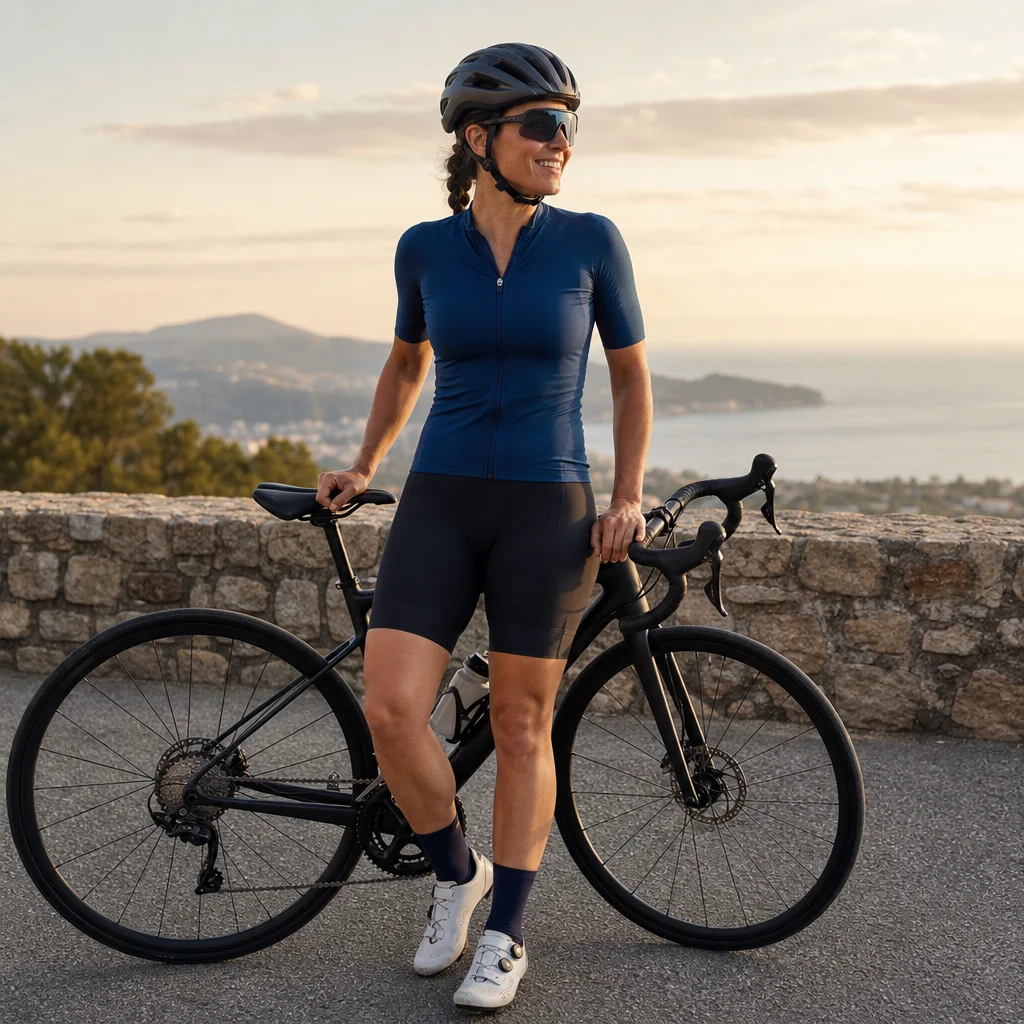
Your first road-cycling shoes don’t need to be the most aerodynamic, stiffest, or expensive option in the shop. The main decision is simpler: do you want to keep using flat pedals, move to shoes designed for cycling, or learn a clipless system that attaches your shoes to the pedals?
Each choice can work well. The common mistake is buying a complete high-end setup before you know how often you’ll ride, what kind of stops you make, or whether you actually want to clip in. Start with the system that solves your current problem, then upgrade when your riding gives you a clear reason.
First, separate shoes from pedals
“Clipless shoes” can sound confusing because the shoes aren’t the whole system. A clipless setup includes:
- Cycling shoes with compatible cleats
- Clipless pedals that accept those cleats
- Cleat hardware adjusted to your foot and riding position
The cleat attaches to the underside of the shoe and locks into the pedal. You release it by rotating your heel outward, usually. The exact movement depends on the pedal system, so you’ll need to learn and practice it.
Flat pedals use no cleat. You can ride them with ordinary athletic shoes, though a cycling-specific flat shoe usually gives you a more secure, supportive platform.
This distinction matters when budgeting. Buying clipless shoes without compatible pedals doesn’t complete the setup, and buying pedals without the right cleats won’t let you use the system.
Option one: flat pedals and ordinary shoes
Flat pedals are the lowest-commitment choice. Your foot rests on the pedal, and you can lift it away immediately when you stop. That makes them useful for beginners who are still developing balance, shifting, braking, and cornering skills.
You can start with athletic shoes, but very soft running-shoe soles aren’t ideal. They can flex around the pedal, feel less stable, and concentrate pressure under a small area of your foot. If your current shoes are reasonably firm and the pedals have a good grip, they may be sufficient for early rides.
When flat pedals make sense
Choose flat pedals if you:
- Want the simplest possible setup
- Ride routes with frequent stops or mixed surfaces
- Prefer to put a foot down quickly without thinking about release technique
- Are still learning basic bike control
- Share one bike with riders who don’t use cleats
- Aren’t sure whether clipless riding interests you
Flat pedals aren’t a sign that you’re riding incorrectly. They let you focus on the skills that matter on every bike: looking ahead, controlling speed, choosing a safe line, and riding smoothly around other people.
A practical improvement over basic pedals is a pair of cycling-oriented flat pedals with a broad platform and replaceable grip pins. Pair them with shoes that have a firm, relatively flat sole. This can improve comfort and foot stability without adding the cost or learning curve of a clipless system.
Option two: casual cycling shoes
Casual cycling shoes occupy the middle ground. They look more like everyday sneakers than racing shoes, but they’re built around cycling needs. Depending on the model, they may have a firmer sole, better ventilation, more durable construction, and tread that makes walking easier.
Some casual cycling shoes are made for flat pedals. Others accept recessed two-bolt cleats, commonly used with mountain-bike-style clipless pedals. Check the product description carefully: a shoe that looks like a casual cycling shoe may not support the cleat pattern you need.
Why casual cycling shoes can be a good first purchase
They’re useful when you want more support and pedal feel but don’t want a race-oriented setup. A firm sole spreads pressure across more of your foot, which can make longer rides more comfortable. If the shoe accepts recessed cleats, you can also walk more naturally than you can in many road-specific shoes with exposed cleats.
This option is especially practical if your rides include:
- Coffee stops or short walks
- Bike paths and paved trails
- Errands before or after a ride
- Frequent dismounts
- A mix of relaxed riding and occasional harder efforts
The trade-off is that casual shoes may be heavier, less ventilated, or less stiff than dedicated road shoes. Those differences usually matter less to a new rider than comfort, fit, and ease of use.
Option three: road shoes and clipless pedals
Dedicated road-cycling shoes usually have a stiff sole and a smooth or lightly treaded underside. They’re designed to transfer pressure efficiently and work with larger external cleats, often using a three-bolt pattern.
Clipless pedals can feel secure because your foot stays positioned on the pedal rather than shifting around. They may also help you maintain a consistent foot position during longer rides. However, they don’t automatically make you faster, and they won’t correct an uncomfortable bike fit or poor pedaling habits.
Road shoes and pedals are worth considering when you’re riding regularly, spending several hours on the bike, and comfortable with the additional setup. They make the most sense when you want a dedicated riding kit and don’t expect to walk much during your rides.
The trade-offs beginners often miss
Road-specific clipless systems can be less convenient away from the bike. External cleats may be awkward on hard surfaces, and walking can wear them down. The shoes may also be less suitable for casual use.
The system adds another task to every stop: you must release one foot before coming to a complete stop. Most riders learn this, but it requires deliberate practice. Starting with clipless pedals on a busy road before you’re comfortable increases stress and can lead to avoidable falls.
Practice your first releases: Before using a clipless setup in traffic, practice clipping in, unclipping, starting, and stopping in an open, low-pressure area. Keep your release motion consistent, and confirm the pedal manufacturer’s instructions for adjustment and cleat release options.
Choose the pedal system before buying the shoes
One of the easiest ways to overbuy is choosing shoes first because they look appealing. Instead, decide what pedal system you want, then buy shoes that match it.
Flat-pedal setup
You’ll need:
- Flat pedals
- Firm-soled athletic or cycling shoes
This is the least expensive and easiest-to-change arrangement. You can keep using the shoes for other activities, although dedicated cycling shoes may provide better grip and durability.
Two-bolt clipless setup
You’ll need:
- Clipless pedals designed for two-bolt cleats
- Shoes with the matching two-bolt mounting area
- The cleats supplied or specified for those pedals
Two-bolt shoes often have recessed cleats, making them easier to walk in. This style is common for recreational, touring, gravel, and mountain-bike-oriented riding.
Three-bolt road setup
You’ll need:
- Road clipless pedals
- Road shoes with the matching three-bolt pattern
- Compatible cleats
Three-bolt shoes and pedals can be a sensible choice for a dedicated road setup, but they’re usually less walkable. Don’t choose them simply because they appear more advanced.
Compatibility isn't universal. A two-bolt cleat generally won’t mount directly to a three-bolt road shoe without the appropriate hardware, and the cleat must match the pedal system. Read the manufacturer’s compatibility information rather than relying on appearance.
How to avoid buying too much shoe
Don’t pay for stiffness you don’t need
A very stiff sole can feel efficient, but it can also feel less comfortable when you’re not yet accustomed to cycling shoes. For most new road cyclists, a secure fit and reasonable sole firmness matter more than maximum stiffness.
Don’t buy for racing you might never do
If your typical ride includes neighborhood roads, bike paths, stops, and social mileage, racing-oriented shoes may add cost without improving your experience. Buy for your actual rides, not an imagined future version of your riding.
Don’t ignore walking
Think about what happens after you park the bike. If you’ll walk through a shop, visit a café, or carry your bike over a short obstacle, recessed cleats or flat pedals may be more convenient than exposed road cleats.
Don’t assume expensive means better fitting
A shoe that costs more can still be the wrong shape for your foot. Look for a secure heel, enough room for your toes to spread naturally, and no sharp pressure points. Your foot should feel held in place without excessive tightening.
Don’t buy used cleats without checking them
Cleats are wear items. Rounded edges, damaged hardware, or excessive movement can affect engagement and release. If you buy used shoes, inspect the cleats and mounting bolts, and replace questionable parts rather than trying to save a small amount.
Fit the shoes before judging the system
Try shoes on with the socks you normally ride in. Your toes shouldn't press against the front, and your heel shouldn’t lift substantially when you walk or flex your foot. Cycling shoes generally shouldn’t fit as loosely as casual sneakers, but they also shouldn’t create numbness or concentrated pressure.
For clipless shoes, cleat position matters too. If you’re new to the system, have the cleats installed carefully and make small adjustments rather than making a large change based on one ride. Persistent pain, numbness, or knee discomfort is a reason to stop and reassess the setup.
A simple starting recommendation
If you’re uncertain, begin with flat pedals and firm-soled shoes. This lets you learn your bike and discover your riding habits without committing to a pedal-and-cleat system.
Choose casual cycling shoes if you want better support, expect to walk during rides, or like the idea of clipless pedals but want a more forgiving transition. Choose road shoes and a three-bolt system when you’re riding regularly, want a dedicated road setup, and accept the reduced walking convenience.
Your first-shoe checklist
Before buying, ask yourself:
- How often will you ride over the next few months?
- Do you regularly walk during or after rides?
- Are you comfortable learning a new release motion?
- Do you already own pedals, and what cleat system do they use?
- Will you need one pair of shoes for several types of riding?
- Does the shoe fit securely without pressure or numbness?
- Are you buying for current rides rather than a hypothetical upgrade?
The best first road-cycling shoe is the one that fits your foot, matches your pedals, and suits the way you actually ride. Start with the least complicated option that meets those needs. You can always move to a different system later, but you don’t need to purchase every feature on your first day.