How to Set a Cycling Goal You Can Measure Without Chasing Speed
I’ll help you compare simple cycling goals based on consistency, time outside, confidence, route completion, climbing, and comfort, so you can choose a measure that supports enjoyable riding without making average speed the centre of every outing.
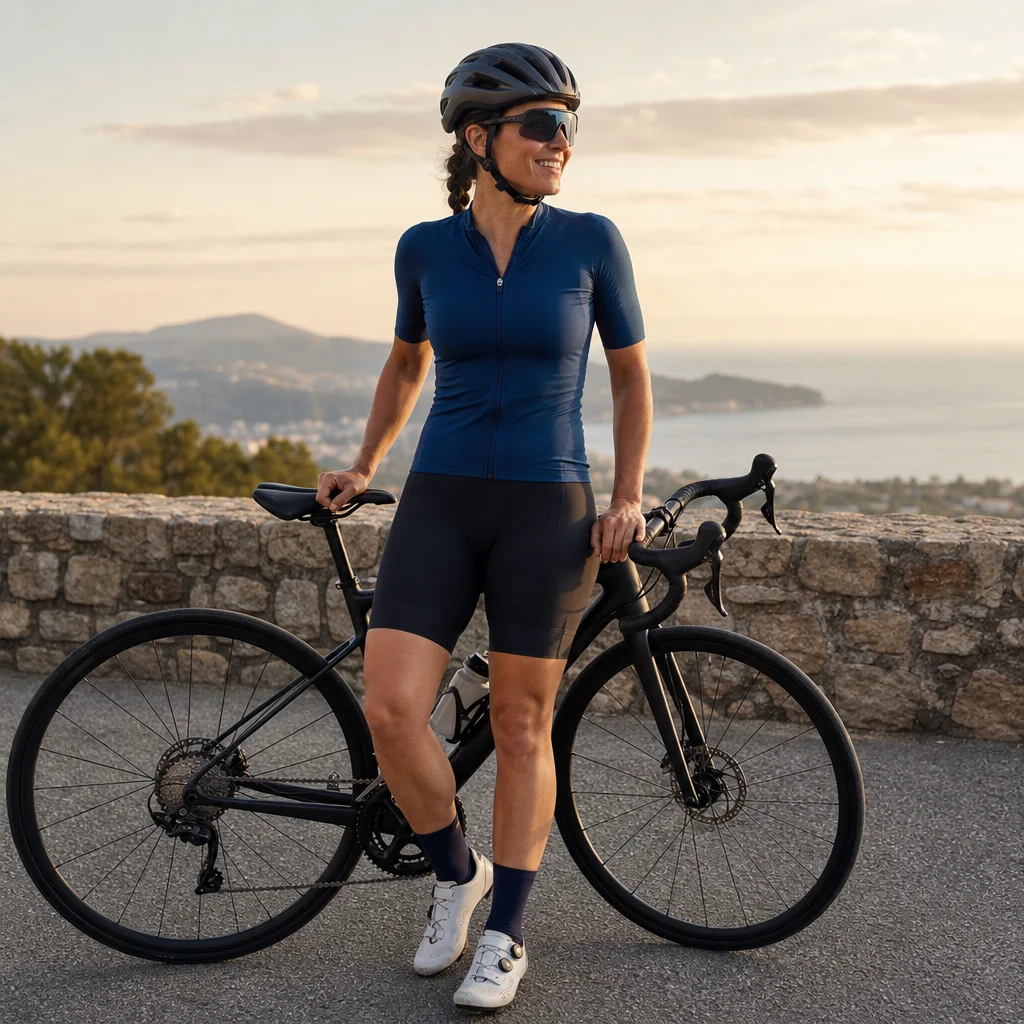
If average speed is the only number you track, an enjoyable ride can start to feel like a test. A headwind, unfamiliar route, traffic, hills, fatigue, or a short stop can make the number look worse even when you rode well.
You can set a cycling goal that is specific and measurable without turning every ride into a performance exercise. The simplest approach is to choose one outcome that reflects why you want to ride, then define a modest way to record it.
Start with the reason you want to ride
Before choosing a metric, finish this sentence:
I want cycling to help me ______.
Your answer might be:
- Get outside more often
- Build a dependable weekly habit
- Feel more comfortable riding in traffic
- Complete a route that currently seems difficult
- Spend more time exploring locally
- Handle hills with less hesitation
- Feel better during and after a ride
- Make cycling fit around work, family, or other commitments
The best goal measures that purpose directly. If you want more time outdoors, weekly riding time is more useful than speed. If you want confidence, a route or skill goal may tell you more than distance.
A goal doesn't need to cover every part of cycling. One clear measure is often enough, especially if you’re trying to make riding a regular part of your life.
Compare the simplest alternatives to speed
Consistency: how often you ride
A consistency goal measures whether you show up. You might aim to ride twice a week, complete eight rides in a month, or keep one regular weekend ride on your calendar.
This works well when your main challenge is getting started or maintaining a routine. It also leaves room for different types of rides: a short trip, an easy spin, and a longer outing can all count.
Keep the target realistic. If you usually ride once a week, aiming for three demanding sessions may create pressure before the habit is established. A goal such as “ride twice each week” is clear, but you can make it more flexible by defining a minimum ride that counts, such as 20 minutes or a short local loop.
Best for: building a habit and reducing all-or-nothing thinking.
Time outside: how long you spend riding
Time-based goals focus on hours or minutes rather than distance or speed. You could aim for 90 minutes of riding each week, three 30-minute rides, or one hour outside on a day off.
Time is useful because it remains meaningful when your route, weather, or terrain changes. A slow ride on a hilly route and a quicker ride on flat roads can both contribute equally to the target.
Decide whether stopped time counts. For a simple habit goal, total time away from home may be fine. If you want to measure actual riding, use moving time consistently. The important part is choosing one definition and sticking with it rather than changing the rules after each ride.
Best for: prioritizing time outdoors and keeping the goal adaptable.
Route completion: which places you can reach
A route goal gives you a concrete destination or loop to work toward. It might be a nearby park, a particular trail access point, a coffee shop, or a loop that connects several familiar roads.
You can make the goal measurable by recording whether you completed the route, how many attempts it took, or which section still needs attention. Speed doesn’t matter unless it is part of your personal reason for riding.
Break a longer route into stages if it feels intimidating. First ride the opening section, then extend it to a convenient turnaround point, and eventually complete the full route. This makes progress visible without requiring every ride to be longer than the last.
Best for: exploration, independence, and having a clear destination.
Confidence: which situations feel manageable
Confidence is less obvious than speed, but you can still measure it. Choose one riding situation that makes you hesitant, such as starting from a busy intersection, riding around parked cars, using a new route, or climbing a familiar hill without stopping.
Rate your confidence from 1 to 5 before and after a ride. You can also record whether you attempted the situation, completed it, or needed to change plans. The point isn’t to force yourself into discomfort. It’s to notice whether a specific situation is becoming more manageable.
A confidence goal might look like this: “Over the next month, I’ll ride my planned low-traffic route four times and note how comfortable I felt at the two busier crossings.” That gives you something to track without pretending that confidence improves in a straight line.
Best for: reducing hesitation and developing practical control.
Climbing: which hills you can handle
If hills are the part of riding you most want to improve, track climbing in a simple way. You might aim to reach the top of a local hill, complete a route with a known climb, or ride a hilly loop once a week.
You can measure success by completion, perceived effort, or the number of rests required. For example, “I’ll complete the north loop and take no more than two planned stops” is more specific than “get better at hills.”
Avoid turning this into a hidden speed goal. Climb at a sustainable effort, use an easier gear when appropriate, and define success as completing the intended challenge safely and comfortably.
Best for: gaining confidence on hills and making route choices feel less restrictive.
Comfort: how sustainable the ride feels
Comfort goals can address the details that determine whether you want to ride again. You might aim to finish a ride without hand numbness, choose a route with fewer rough sections, remember to eat and drink regularly, or adjust your setup before the next outing.
Use a short post-ride note: “What felt good? What distracted me? What would make the next ride easier?” You can track comfort with a simple 1-to-5 rating, but the written observation is often more useful than the number.
A comfort goal should lead to a practical change. That might mean wearing a different layer, carrying a snack, changing your hand position regularly, or selecting a shorter route while you troubleshoot a recurring issue. Persistent pain, numbness, or other concerning symptoms deserve attention rather than being treated as a normal part of progress.
Best for: making riding repeatable and removing small barriers.
Turn one preference into a measurable goal
A useful cycling goal has four parts:
- A focus: what you want to improve or experience
- A measure: how you’ll know it happened
- A timeframe: when you’ll review it
- A minimum: the smallest version that still counts
For example:
- “For the next four weeks, I’ll ride twice per week, with one ride lasting at least 30 minutes.”
- “This month, I’ll complete my local 12-mile loop twice, regardless of average speed.”
- “Over the next three weekends, I’ll spend at least 90 minutes outside on the bike.”
- “For four rides, I’ll use my quieter route and record my confidence at the two difficult crossings.”
- “By the end of the month, I’ll complete the neighbourhood hill without stopping, at a controlled effort.”
The minimum prevents a missed ambitious ride from cancelling the entire goal. It also gives you a clear decision on low-energy days: do the smaller version, or consciously take a rest day without treating it as failure.
Choose a tracking method you’ll actually use
You don’t need a complicated system. A calendar, notes app, paper log, or cycling computer can work. Record only the information connected to your goal.
For consistency, mark each ride with a check. For time, record total minutes. For route completion, write the route name and whether you finished it. For confidence or comfort, add a short rating and one sentence.
If you use an app, you can ignore metrics that don’t support your chosen goal. Distance, speed, heart rate, elevation, and other data may be interesting, but more information isn’t automatically more useful. Tracking too much can make a simple habit feel like administration.
Check your chosen measure: Before your first ride, write down exactly what counts, how you’ll record it, and when you’ll review it. Clear rules make the goal easier to follow when routes, weather, or energy levels change.
Review progress without moving the goalposts
Review your goal at the end of the timeframe you chose, not after every ride. Ask:
- Did this measure reflect why I wanted to ride?
- Was the minimum realistic on ordinary weeks?
- Did tracking make riding clearer or more stressful?
- What changed in my confidence, comfort, or routine?
- Do I want to repeat the goal, adjust it, or choose a different measure?
If you miss the target, look for a useful adjustment instead of immediately raising the pressure. Maybe the goal was too large, the rides were difficult to schedule, or the measure didn’t match what you value. A better goal could involve fewer rides, shorter minimums, a longer review period, or a different type of progress.
You can also use a two-level structure: a minimum goal and an optional goal. For example, your minimum might be two 20-minute rides per week, while the optional version is one longer route when you have the time and energy. The minimum protects consistency; the optional goal leaves room for ambition without making it mandatory.
Keep speed in its proper place
Speed can be a useful observation, but it doesn’t need to be the verdict on a ride. It changes with wind, hills, traffic, road surfaces, equipment, stops, and how you feel that day. Comparing numbers across very different rides can tell you less than you expect.
If you enjoy looking at speed, treat it as background information. Don’t let it override the goal you actually selected. A ride can succeed because you showed up, completed a route, handled a difficult section, or finished feeling ready to ride again.
Practical next steps
Choose one focus today: consistency, time outside, confidence, route completion, climbing, or comfort. Write a goal with a timeframe and a minimum, then decide on the simplest tracking method.
Use it for several rides before judging it. At the end of the review period, keep the measure if it helps you ride with more intention. Change it if it adds pressure without adding value. The most useful cycling goal isn't the one that produces the most impressive number; it’s the one that helps you keep riding.