How to Make a Road Bike More Comfortable for a Short Torso
You don’t have to choose between a smaller frame and an uncomfortable stretch. I’ll show you the first adjustments to reach, bar height, saddle position, and control access that can make a road bike fit a shorter torso more naturally.
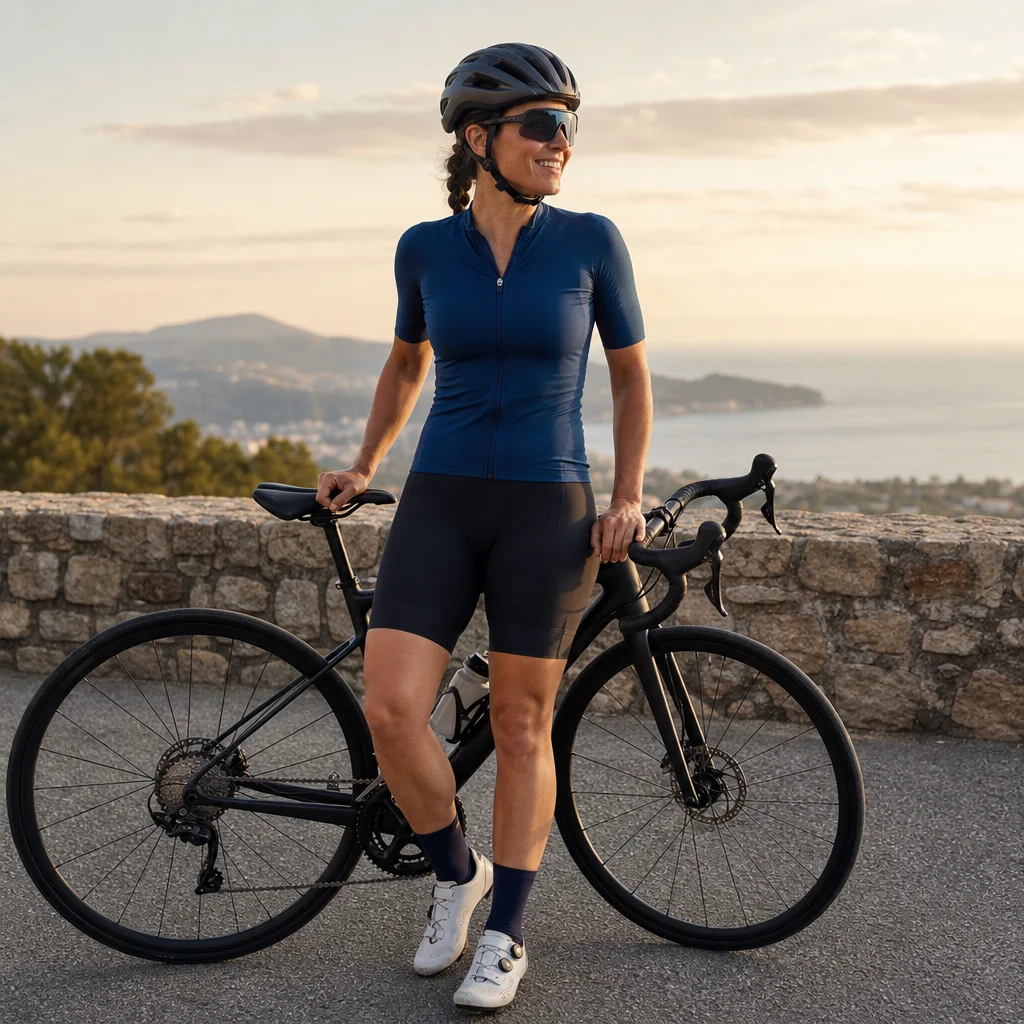
If your road bike leaves you reaching for the brake levers, supporting too much weight on your hands, or rounding your back to stay comfortable, the frame may not be the only issue. Riders with shorter torsos often need less cockpit length and a more considered relationship between the saddle, bars, and controls.
The common mistake is changing several contact points at once—or sliding the saddle forward to solve a handlebar problem. That can create new issues with pedaling, balance, and knee comfort. A better approach is to identify where the stretch comes from, make one modest change, and reassess your position.
Start by identifying the discomfort
Before adjusting anything, note what you feel and when it appears. A short torso can make the distance from the saddle to the handlebar feel excessive, but different symptoms point to different causes.
- Pressure on your hands: The bars may be too far away or too low, or your weight may be shifting forward.
- Neck, shoulder, or upper-back tension: You may be reaching continuously instead of resting with relaxed elbows and shoulders.
- Difficulty reaching the brake levers: The bars may be too far forward, the controls may be positioned poorly, or the lever reach may need adjustment.
- Hip compression or a cramped feeling: The saddle may be too far forward, too low, or both.
- Knee discomfort after moving the saddle: The saddle may have been adjusted to compensate for cockpit reach.
Ride briefly on a familiar route or on a safe, stationary setup, paying attention to your position rather than trying to endure the problem. Comfort isn't simply the absence of pain; you should also be able to change hand positions, bend your elbows, and reach the controls without bracing your upper body.
Check the frame before changing components
A frame that is too large can make a short torso feel stretched even when the seat height is correct. Compare the bike’s reach and stack with a bike that feels comfortable, if you have access to one. Frame size labels aren't standardized, so the number on the seat tube tells you less than the actual geometry and contact points.
You may be able to improve a slightly long-feeling bike with a shorter stem, compact handlebars, or a different saddle. Those changes have limits, though. If the handlebars are dramatically higher and closer than the frame was designed to accommodate, handling, steering feel, and weight distribution can change.
A smaller frame isn't automatically the answer. If it requires excessive seatpost extension or leaves too little room to achieve your preferred saddle height, it may introduce a different set of problems. The goal is a balanced position, not the smallest possible frame.
Confirm your adjustment range: Before buying parts or committing to a new frame, check that your proposed saddle height, handlebar height, stem length, and control position remain within the bike and component maker’s limits. If you’re unsure, have a qualified bike fitter or mechanic inspect the setup.
Bring the handlebars closer in sensible steps
For many riders with a shorter torso, reach is the first area to address. Reach is influenced by the frame, stem, handlebar shape, hood position, and saddle position. Make changes in that order of importance rather than treating the stem as the entire solution.
Consider a shorter stem
A shorter stem can reduce the distance to the bars and make the brake hoods easier to use. It’s often the simplest component change when your current position feels stretched but your saddle height and fore-aft position are otherwise sound.
Change the stem in a modest step rather than making a dramatic jump. A very short stem can make steering feel quicker, especially on a road bike with responsive handling. After installing one, check that the front brake and shift cables or hoses aren't pulled tight and that the stem and handlebar are correctly tightened.
Choose a handlebar with less reach
Road handlebars vary in reach as well as width and drop. A compact bar generally places the hoods closer than a traditional deep-drop design. This can help you access the controls without forcing you to move the saddle forward.
Bar width is a separate decision. Narrowing the bar may suit your shoulder width, but it can also alter steering leverage and the space available for your hands. Don’t choose a narrower bar solely because your torso is short; consider your shoulders, riding position, breathing comfort, and control of the bike.
Check the hood position
The brake hoods should give you a stable, relaxed grip with your wrists reasonably straight. If the hoods are angled too far forward or too low, they can feel farther away than the bar itself suggests. If they’re too high or rotated excessively, access from the drops may suffer and the brake levers may not work as intended.
Make small changes and inspect the bar’s markings and the manufacturer’s installation guidance. On many modern road bikes, cable routing and integrated cockpits limit how much you can reposition the controls.
Raise the bars without losing balance
A low handlebar can make a short torso feel even shorter because you must reach down and forward at the same time. Raising the bars can reduce neck and hand strain and make it easier to ride with relaxed elbows.
You may have several options:
- Move existing spacers above or below the stem, if the steerer and headset allow it.
- Use a stem with a different angle, installed in the correct orientation.
- Choose a handlebar with less drop.
- Select a frame or fork configuration with more stack if you’re replacing the bike.
Don’t remove every spacer or add parts without checking the steerer tube, stem, and headset requirements. The stem must have adequate support, and the headset must be correctly preloaded and secured. If your bike uses an integrated cockpit, bar-height changes may involve specific parts rather than simple spacer adjustments.
Raising the bars can also change your weight distribution and riding position. Afterward, check that you can steer confidently, use both brakes, and maintain control while riding out of the saddle.
Keep saddle position independent from reach
The saddle should be positioned primarily for effective pedaling and support, not as a shortcut for bringing the handlebars closer. Sliding it forward can reduce reach, but it also changes your relationship to the bottom bracket and may place more weight on your hands.
Set saddle height and fore-aft position so your pedaling feels stable and your hips remain level. Then assess the cockpit. If the saddle was moved forward only because the bars felt too far away, return it gradually toward a position that supports your normal pedal stroke before changing the stem or bar.
Saddle tilt matters too. Tilting the nose sharply downward may seem to relieve pressure, but it can cause you to slide forward and brace yourself with your hands. Use only small adjustments and keep the saddle securely clamped.
Improve control access for smaller hands
Short reach isn't only about torso length. Hand size and finger reach affect whether you can comfortably operate the brakes and shifters from the hoods or drops.
Check whether your brake levers have a reach adjustment. Many road controls allow the levers to be brought closer to the bar, though the available range varies by model. Adjust both sides evenly and confirm that you can apply the brakes with control from your normal hand position.
If the levers still feel inaccessible, a compact handlebar or different control design may help. Don’t wrap the bar or reposition the hoods in a way that interferes with cables, hoses, shifting, or braking. After any control adjustment, test the bike at low speed in a safe area before riding in traffic or on a descent.
Avoid these common setup mistakes
Moving everything forward at once
Sliding the saddle forward, shortening the stem, and rotating the bars can make the bike feel cramped and alter several important relationships. Change one variable at a time and record the original position with photographs or small marks.
Lowering the saddle to reach the ground
A saddle that is too low can make the cockpit feel less stretched, but it may create knee strain and an inefficient pedal stroke. Set saddle height for pedaling, not for standing over the bike while stopped.
Choosing an extremely short stem
A very short stem may solve reach on paper while making steering feel nervous. If you need an unusually short stem to feel comfortable, reassess the frame size and geometry rather than continuing to shorten components.
Ignoring the drops
You don’t have to spend every mile in the drops, but you should be able to reach them safely when appropriate. If the drops are unusable because the bar is too deep or the controls are too far away, a compact bar and correctly positioned hoods may offer a better solution than simply raising the stem.
A sensible adjustment sequence
Use this order when your bike feels too long for your torso:
- Identify the specific symptom and check your normal riding posture.
- Confirm that saddle height and fore-aft position support comfortable pedaling.
- Inspect hood position and brake-lever reach.
- Consider a compact handlebar or a modestly shorter stem.
- Raise the bars within the bike’s safe adjustment range if the position is too low.
- Test each change on a short, familiar ride.
- Stop adjusting and seek professional help if pain persists, control feels compromised, or the setup requires extreme component positions.
Your ideal position may not look like a standard showroom setup. For a shorter torso, a comfortable road bike often comes from reducing unnecessary reach, keeping the saddle honest, and making the controls easy to use. Start with small changes, preserve safe component installation, and judge the result by relaxed control and sustainable pedaling rather than appearance alone.