How to Set Up a Road Bike for a Shorter Torso or Longer Legs
I’ll help you avoid the common mistake of changing every contact point at once when your proportions don’t match a standard road-bike setup. You’ll learn how to balance saddle height, handlebar reach, and stem length using body measurements as clues—not as a substitute for comfort and fit feedback.
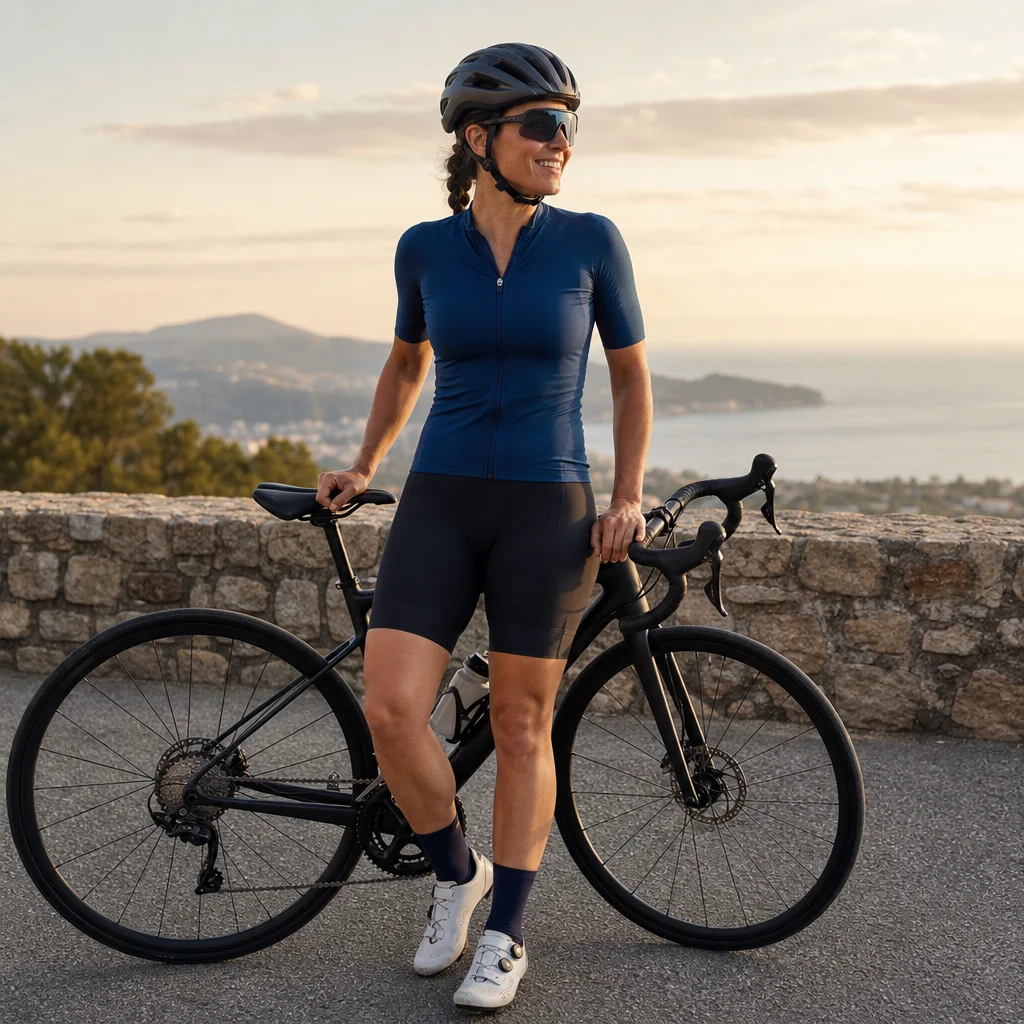
A standard road-bike setup can feel awkward when you have a relatively short torso and long legs. You may feel stretched toward the bars even though the saddle is already high, or you may lower the front end and create unnecessary pressure on your hands and neck. The solution usually isn’t one dramatic adjustment. It’s a sequence of small decisions that keeps your legs, hips, hands, and breathing working together.
Your proportions are useful clues, but they don’t determine a perfect position by themselves. Flexibility, riding style, handlebar shape, cleat position, and the bike’s frame dimensions matter too. Set up the bike in a logical order, change one variable at a time, and judge each adjustment by how it affects your movement on the road.
Start by identifying the actual problem
Before changing parts, describe what feels wrong. “The bike feels too long” can mean several different things:
- Your elbows are locked and your shoulders feel pulled forward.
- Your hands go numb because too much weight is resting on them.
- Your lower back or neck becomes uncomfortable after a short ride.
- You can’t comfortably reach the brake hoods or drops.
- Your saddle feels too far behind you because you’re trying to create more room at the front.
- Your knees feel strained because the saddle was raised to accommodate long legs without checking the rest of the position.
These symptoms don’t all call for a shorter stem. If the saddle is too high, too far back, or tilted poorly, shortening the reach may only hide the underlying issue. Make a note of when the discomfort appears, which hand position you’re using, and whether it changes when you ride faster or climb.
Set saddle height before judging reach
Longer legs often require a higher saddle, but saddle height should be set from effective leg extension rather than inseam alone. A measurement can give you a starting point, while your pedaling motion provides the more useful check.
With your foot in your normal riding position, you should be able to pedal smoothly without rocking your hips from side to side. A saddle that’s too high may cause you to point your toes at the bottom of the stroke, reach for the pedals, or shift your hips to one side. A saddle that’s too low can make the knee feel crowded and may encourage excessive pressure at the front of the knee.
Make small changes—around a few millimeters at a time—and ride long enough to notice how the adjustment affects both legs. Mark the original position so you can return to it if necessary.
Check saddle setback separately
Saddle height and saddle setback are related, but they aren’t the same adjustment. Moving the saddle backward can make the cockpit feel longer, while moving it forward can make the bars feel closer. That apparent solution can alter how your weight is supported and how your knees move over the pedals.
Begin with a neutral saddle position that lets you support your weight on the saddle without sliding forward or bracing against the handlebars. Then check whether your knees track comfortably and whether you can maintain a stable pelvis while pedaling. Don’t move the saddle forward solely to compensate for a frame that’s too long.
Use the cockpit to solve a shorter-torso problem
Once the saddle is stable, evaluate the distance to the handlebars. A rider with long legs and a shorter torso may need a relatively high saddle but a shorter or higher cockpit than a rider with the same height and different proportions.
Your position should allow a gentle bend in the elbows, relaxed shoulders, and a stable grip on the hoods. You shouldn’t need to slide forward on the saddle, round your upper back aggressively, or reach with your fingertips to operate the controls. When riding in the drops, you should still be able to control the bike without feeling that your neck and hands are carrying the position.
Consider these adjustments in order
- Handlebar height: Add spacers below the stem or use a handlebar with a different drop or reach if the front end feels too low or the bars are difficult to use comfortably.
- Handlebar rotation: A small change in bar angle can affect hood position and wrist comfort. Keep the brake levers accessible and avoid creating an awkward transition between the hoods and drops.
- Stem length: A shorter stem can reduce reach when the saddle position is correct and the frame otherwise fits. Change length conservatively because it also affects steering response.
- Handlebar reach: Handlebars with shorter reach can bring the controls closer without changing the stem. This may be useful when the existing bar feels too deep or forces your wrists into an uncomfortable angle.
- Frame choice: If the saddle must be unusually high while the cockpit remains very short, the frame’s stack and reach may not suit your proportions. Component changes can improve a mismatch, but they can’t always make an unsuitable frame feel natural.
Avoid making all five changes in one session. You’ll lose track of which adjustment helped and may create a new problem elsewhere.
Check each change on a controlled ride: After moving the saddle, bars, or stem, verify that you can reach the brake levers securely, keep a relaxed bend in your elbows, and control the bike in every hand position you normally use. Stop testing if you develop sharp pain, persistent numbness, or a loss of control.
Understand stem-length trade-offs
A shorter stem is an obvious choice for a shorter torso, but it isn’t automatically the best one. It reduces the distance to the bars and can make an oversized-feeling bike more manageable. It also changes steering leverage and may make the bike feel quicker at the bars.
A longer stem can provide a calmer steering feel and more weight over the front wheel, but it increases reach. If you already feel stretched, keeping a long stem just to preserve a familiar handling character may make every ride less comfortable.
Choose the least extreme stem that gives you a comfortable reach while preserving secure steering. If the change required is substantial, reconsider the frame’s dimensions rather than continuing to compensate with parts.
Check the saddle-to-bar drop
Long legs can create a large vertical distance between the saddle and handlebars, especially when the saddle is raised on a smaller frame. Some drop is normal, but a large drop can make the cockpit feel longer and place more pressure on your hands and neck.
You don’t have to maintain a low racing position. Raising the bars with spacers, a higher-rise stem, or a handlebar with suitable shape may make the bike easier to control and more sustainable for recreational riding. The practical target is a position you can hold without bracing your upper body or collapsing your shoulders.
If you raise the bars substantially, confirm that the cables, hoses, and electrical wires still have enough slack and that the stem and steerer are assembled correctly. When you’re unsure about the installation, use a qualified bicycle mechanic rather than guessing with a safety-critical component.
Pay attention to common compensation mistakes
Raising the saddle and ignoring the front end
This can happen when a rider focuses on long legs and measures saddle height first. If the saddle rises but the bars stay too low and far away, the rider may support too much weight through the hands. Adjust the whole position, not just the leg extension.
Moving the saddle forward to shorten reach
This may make the controls feel closer, but it can change your relationship with the pedals and reduce saddle support. Treat saddle position as a pedaling and balance decision, not a quick reach adjustment.
Choosing an extremely short stem
A very short stem can solve distance while creating nervous steering. If you need an unusually short stem to feel comfortable, the bike may have too much reach for you or not enough stack.
Copying another rider’s measurements
Two riders of the same height can have different leg, torso, arm, and foot proportions. Even similar measurements don’t account for flexibility, mobility, riding goals, or preferred hand positions.
Making changes based on one short test
A position can feel fine around the block and become uncomfortable after an hour. Test changes on a familiar route, keep the pace moderate, and note whether symptoms appear gradually or immediately.
A sensible setup sequence
Use this order when working toward a balanced position:
- Confirm that the bike is the correct general size and that the saddle is securely installed.
- Set cleat position and saddle height conservatively, checking for hip rocking and knee crowding.
- Establish saddle setback without using it solely to shorten or lengthen reach.
- Adjust bar height and rotation so the hoods and drops are usable.
- Fine-tune reach with handlebar choice or a modest stem change.
- Ride, record symptoms, and change only one variable at a time.
- Recheck fasteners and cable or hose routing after any component adjustment.
A basic record helps: write down saddle height, setback, spacer arrangement, stem length, handlebar model, and the date of each change. Measurements make it easier to reverse an adjustment, but comfort and control decide whether the position is working.
Know when to get a professional fit
Consider a professional bike fit if discomfort persists despite careful adjustments, if you have a history of injury, or if the bike requires extreme component choices to feel usable. A fitter can assess your movement while pedaling and distinguish a reach problem from issues involving saddle position, cleats, flexibility, or frame geometry.
The goal isn’t to force your body into a prescribed measurement. It’s to create a stable position that lets you pedal efficiently, support yourself comfortably, and control the bike without unnecessary strain.
Practical next steps
Start by recording the symptoms and preserving your current setup. Confirm saddle height and setback before shortening the cockpit, then make one small front-end change and test it on a familiar ride. If your saddle is unusually high, your stem is unusually short, or you still feel stretched after several careful adjustments, treat that as useful information about frame fit—not a personal failure to adapt.