What to Check Before Buying Your First Road Bike
The right first road bike prioritizes fit, dependable braking, sensible gearing, and room for practical tires over flashy components. I’ll help you check the essentials so your budget goes toward a comfortable, usable bike rather than an expensive mismatch.
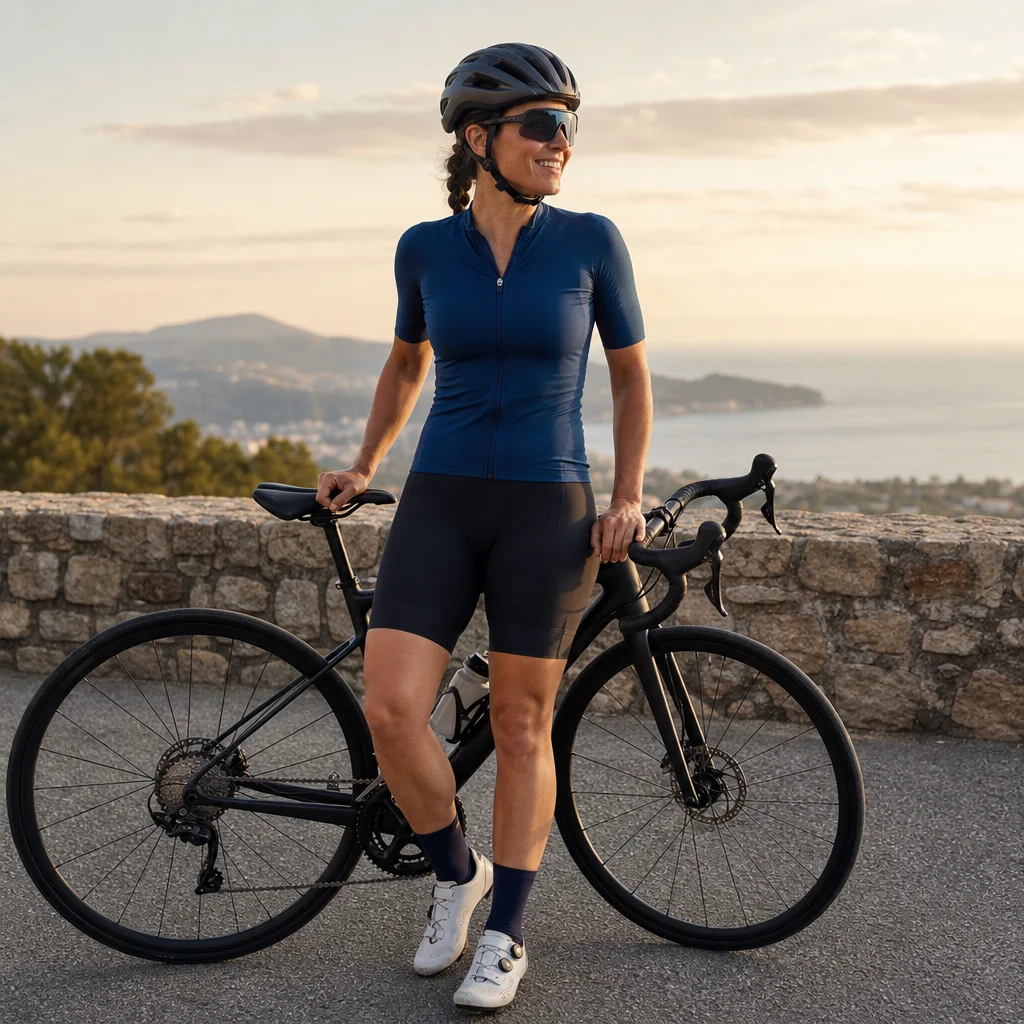
Your first road bike doesn’t need the lightest frame, the most gears, or the newest technology. It needs to fit you, suit the roads you’ll ride, and work reliably without demanding an immediate stream of upgrades.
A short inspection before you buy can prevent the most expensive beginner mistake: choosing a bike that looks like a bargain but feels uncomfortable, handles poorly for your needs, or requires repairs that erase the savings. Use the checks below to focus on the essentials.
Start with the kind of riding you’ll do
Before comparing brands or components, describe your likely rides.
- Mostly paved paths and smooth roads: A traditional road bike with narrower tires may work well.
- Rough pavement, mixed surfaces, or light gravel: Look for more tire clearance and a stable, endurance-oriented design.
- Short fitness rides: You may value a comfortable position and simple maintenance more than a broad range of performance features.
- Longer recreational rides: Fit, gearing, carrying options, and tire comfort become increasingly important.
A bike designed for racing may be fast, but its low handlebar position and limited tire clearance can make ordinary rides less pleasant. For many first-time buyers, an endurance road bike is a more forgiving starting point than an aggressive race model.
Fit comes before components
A well-fitting bike with ordinary components is usually a better purchase than a poorly fitting bike with expensive components. Fit affects comfort, control, pedaling efficiency, and how long you’ll want to stay on the bike.
Check the frame size
Manufacturers use different sizing systems, so don’t choose a size based only on your height or on the size of a bike you’ve seen elsewhere. Use the manufacturer’s size chart as a starting point, then test ride the bike if possible.
When you stand over the top tube, you should have some clearance rather than feeling pressed against it. The exact amount varies with frame design and body proportions, so this check isn't a substitute for riding the bike.
Check your reach
Once seated, you shouldn’t feel stretched toward the handlebar or cramped behind it. Your elbows should have a little natural bend, and your shoulders should remain relaxed rather than pushed up toward your ears.
A short test ride can reveal problems quickly. Pay attention to numb hands, aching shoulders, pressure in the lower back, or a feeling that you’re constantly reaching for the brake levers. Some adjustments are simple, but a frame that is fundamentally too large or too small may not be fixable with a different stem.
Check the riding position
Road bikes place your hands on the brake hoods, the most useful position for general riding. You should be able to reach the brake levers confidently from there. If you have to shift your hands or strain your fingers to brake, the setup isn't working for you.
You also don’t need to be comfortable in the lowest handlebar position immediately. A first bike should allow you to build confidence gradually, not force you into a posture that makes every ride feel like a flexibility test.
Look for sensible gearing
Your gearing determines how easily you can pedal on hills and how comfortably you can maintain speed on flatter roads.
For a first road bike, a compact crankset—commonly described as 50/34 teeth—paired with a cassette that includes a relatively large rear sprocket can provide useful climbing range. Other combinations can work just as well, so focus on the lowest available gear rather than memorizing one specification.
Ask yourself:
- Are there hills where you plan to ride?
- Do you prefer spinning an easier gear or pushing a harder one?
- Does the bike have a low enough gear for your current fitness, not your hoped-for fitness?
- Can you shift through all gears without hesitation or loud, persistent noise?
More gears aren’t automatically better. A simple, well-adjusted drivetrain is often preferable to a complicated system that costs more to maintain. Electronic shifting can be convenient, but it adds batteries, charging, and replacement considerations that aren’t necessary for a first bike.
Inspect the brakes
Most modern road bikes use either rim brakes or disc brakes.
Rim brakes grip a braking surface on the wheel rim. They’re often straightforward to inspect and maintain, particularly on older or less expensive bikes. Check that the pads still have usable material and contact the rim evenly. The wheel shouldn't rub against the pads when the brake is released.
Disc brakes grip a rotor near the hub. They can offer consistent braking in varied conditions, but the system has additional parts to inspect. Check that the rotors aren’t visibly bent, the pads aren’t worn out, and the levers feel firm rather than pulling all the way to the handlebar.
Whichever system the bike uses, squeeze both brake levers and test them at low speed during a ride. The bike should slow predictably without pulsing, scraping, or pulling sharply to one side.
Confirm the bike’s safety basics: Before handing over payment, test both brakes, check that the wheels are secure, and ask the seller about any crash damage, brake work, or unresolved mechanical problems. If anything feels uncertain, have a qualified bicycle mechanic inspect it.
Prioritize useful tire clearance
Tire width affects comfort, grip, rolling feel, and how forgiving the bike is on imperfect pavement. Very narrow tires may suit smooth roads, but they can transmit more vibration and give you fewer options later.
Check the frame and fork for enough space around the current tires. If the seller or manufacturer provides a maximum tire width, treat that specification as a useful limit rather than assuming a wider tire will fit safely.
Tire clearance is especially valuable if your routes include patched pavement, rough shoulders, or occasional hard-packed paths. You don’t need a gravel bike to enjoy recreational road cycling, but a little extra room can make a road bike more versatile.
Also inspect the tires themselves. Look for cracks in the sidewalls, flattened tread, cuts, or fabric showing through. Worn tires aren’t necessarily a reason to reject a good bike, but include replacement tires in your budget.
Examine the frame and fork
The frame is the part that’s hardest and most expensive to replace, so inspect it carefully.
Look for:
- Dents, deep scratches, cracks, or areas where paint appears disturbed
- Damage around the head tube, bottom bracket, seat tube, and dropouts
- A fork that appears straight and undamaged
- Loose or missing bottle-cage, rack, fender, or accessory mounts you expect to use
- Corrosion around metal parts, cable stops, and fasteners
A scratch in the paint isn't the same as a crack in the structure. If you can’t tell the difference, pause the purchase and ask a mechanic. A low price isn't a good reason to guess about structural damage.
Carbon frames deserve the same careful inspection as aluminum or steel frames. Don’t assume that a light tap or a clean appearance proves a carbon frame is sound.
Test the wheels, headset, and drivetrain
Lift each wheel and spin it. It should turn without severe wobbling, grinding, or obvious side-to-side movement. Check that the quick-release levers or thru-axles are present and in good condition.
Hold the front brake and gently rock the bike forward and backward. Excess movement near the headset may indicate a loose or worn headset. Turn the handlebar slowly; it should move smoothly without a notch or tight spot in the center.
Shift through the gears while pedaling. Occasional adjustment may be normal on a used bike, but repeated skipping, grinding, or failure to reach several gears suggests additional work. Inspect the chain for heavy rust and look at the teeth on the chainrings and cassette for severe wear.
The crank should turn smoothly without noticeable side-to-side movement. A creak alone doesn’t identify one specific problem, but persistent noise is a reason to investigate rather than ignore it.
Decide whether a used bike is actually a bargain
A used bike can provide excellent value, but compare the complete cost rather than just the seller’s price.
Potential immediate expenses include:
- Tires and inner tubes
- Brake pads or disc-brake service
- Chain, cassette, or chainrings
- Cables and housing
- Handlebar tape
- A professional tune-up
- A replacement saddle or other contact points
Ask why the bike is being sold, how often it was ridden, where it was stored, and what maintenance has been performed. The answers won’t prove the bike’s condition, but vague answers combined with rushed selling or reluctance to allow an inspection are useful warning signs.
Record the frame’s serial number and ask for available purchase or service records. You should also make sure the seller has the right to sell the bike and that the number hasn’t been removed or altered.
Check the used-bike details: Before buying a pre-owned bike, verify the frame serial number, ownership information, included parts, and any current manufacturer safety notices that apply to the model. A local shop can help you identify missing or incompatible components.
Don’t overbuy accessories on day one
The bike is the priority. You can add equipment as your riding habits become clear.
Start with essentials such as:
- A properly fitted helmet
- Front and rear lights when riding in low light or where visibility requires them
- A spare tube or tubeless repair supplies that match the wheels
- A pump or inflator
- Tire levers
- A basic multitool
- Water-carrying capacity
- Clothing that doesn’t restrict movement
You may eventually want cycling shoes, a bike computer, a performance wheelset, or a large collection of specialty tools. None of those should distract you from fit, condition, braking, and tire compatibility when choosing the bike.
Use a simple buying decision
A first road bike is worth serious consideration when it meets these basic standards:
- It fits comfortably enough to control and ride without obvious strain.
- The frame and fork show no unexplained structural damage.
- Both brakes work predictably.
- The wheels are secure and reasonably true.
- The gearing includes an easy enough gear for your local hills.
- The tires and wheels suit the surfaces you plan to ride.
- Replacement parts and routine service are available within your budget.
- The total cost remains sensible after likely repairs and essential gear.
If a bike fails one of those checks, don’t let attractive branding or a low price make the decision for you. There will be another bike. Choosing a simple, correctly sized, serviceable model gives you the best chance of enjoying your first rides and learning what you actually want from your next one.
Practical next steps
Write down your typical routes, your total budget, and the three features you won’t compromise on—usually fit, braking, and appropriate gearing. Compare bikes using that list, test ride more than one size when possible, and reserve part of your budget for setup and basic maintenance. The best first road bike is the one that fits your body, matches your roads, and makes riding easy to repeat.