How to Tell If You Are Starting a Ride Too Fast
I’ll help you recognize the early signs that your cycling pace is too aggressive, explain why they appear, and show you how to settle your effort before a manageable ride becomes an exhausting one.
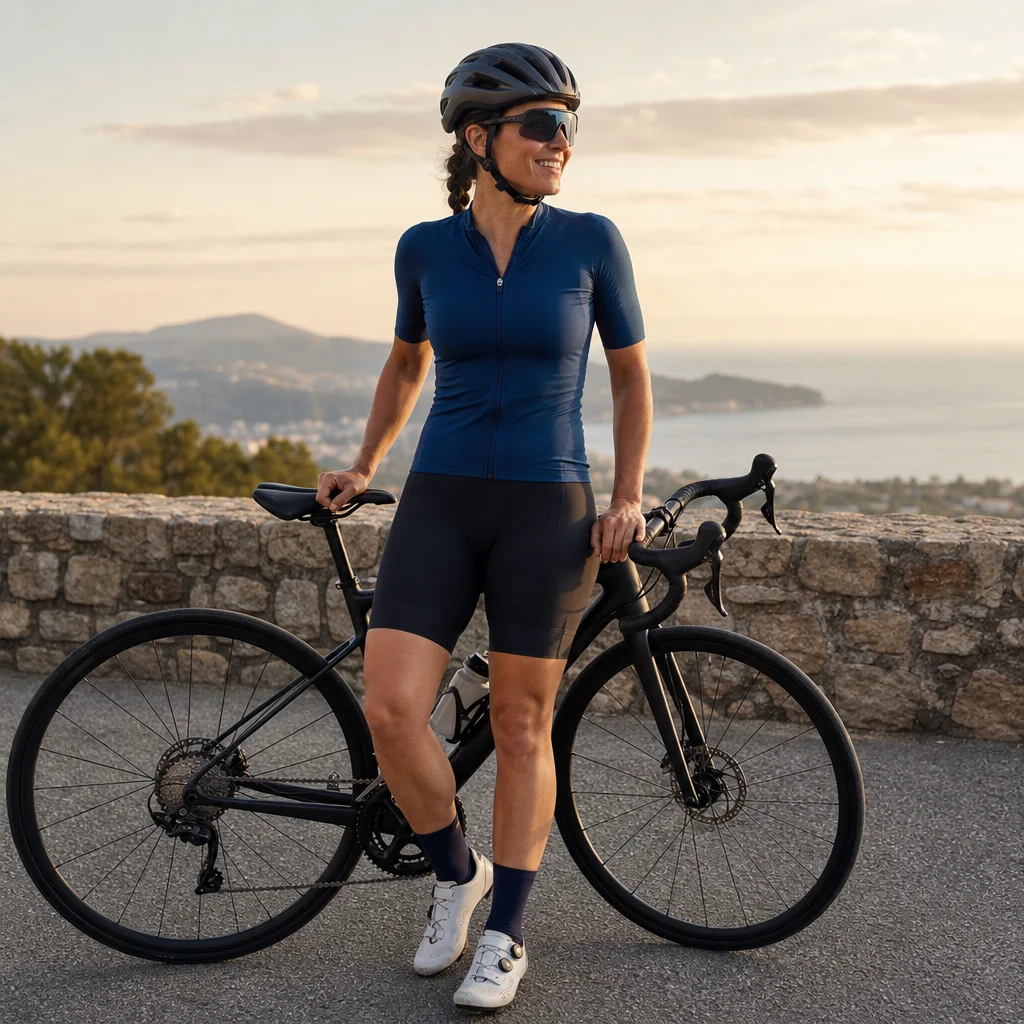
Starting a ride too fast can feel deceptively good. Your legs are fresh, motivation is high, and a pace that seems comfortable for the first few minutes may quietly spend energy you’ll need later.
The problem usually appears after the excitement wears off: your breathing becomes difficult, small hills feel surprisingly hard, and slowing down no longer restores your rhythm quickly. Learning to spot those changes early lets you correct your pace while the ride is still manageable.
The early signs your pace is too high
You don’t need a power meter or heart-rate monitor to notice poor early pacing. Your breathing, muscle tension, and ability to control your effort provide useful clues.
You can’t speak in short sentences
On an easy or moderate ride, you should generally be able to say a short sentence without gasping between words. If you can only manage a few words, or you’re holding your breath to maintain speed, your opening effort is probably too hard for the ride you planned.
This test isn’t a precise training zone, and hills or wind can change the answer. Still, it’s a useful beginner-friendly check during the first part of a ride.
You’re pushing on every small rise
A common mistake is treating every short incline as a challenge. You stand, accelerate, and try to preserve your speed instead of accepting a small drop in pace. That can turn several harmless rises into a collection of hard efforts.
If you’re already shifting frequently, gripping the bars tightly, or pressing hard over minor bumps, ask whether the road is actually demanding that effort. Often, the answer is no.
Your legs feel heavy unusually early
Early leg heaviness is different from normal fatigue near the end of a ride. If your quadriceps start burning or your calves feel tight within the first 20 to 30 minutes, you may be using more force than necessary.
Heavy legs can also come from a difficult gear, a poor warm-up, low cadence, dehydration, or an uncomfortable bike position. The important clue is the timing: fatigue that arrives much earlier than expected deserves a pacing adjustment.
You’re repeatedly backing off, then surging again
Some riders recognize that they’re going too hard but correct it only briefly. They slow down for a minute, feel better, and then accelerate again to catch a group, match a target speed, or regain lost momentum.
This creates a repeated surge-and-recover pattern. Even if your average speed looks reasonable, those short bursts can make the ride much more tiring than a steady effort.
Your breathing stays elevated after the road gets easier
A hard section should become easier when the hill ends or the wind changes. If your breathing remains labored on flat or downhill terrain, you may have accumulated more fatigue than the ride’s conditions justify.
Give yourself a few minutes of genuinely easy riding. If your breathing settles and your legs feel normal again, the problem may have been pacing. If it doesn’t, consider other factors such as heat, illness, poor sleep, or insufficient food and fluids.
Why the first part of a ride is easy to misjudge
Fresh legs can hide the cost of a fast start. At the beginning of a ride, your muscles haven’t accumulated much fatigue, so a higher effort may feel efficient. Your speed can also be inflated by a tailwind, a slight downhill, or the excitement of riding with others.
The cost appears later. Hard early efforts draw more heavily on limited energy stores and can raise your breathing and muscle fatigue before you’ve covered much distance. Once that fatigue arrives, an ordinary pace may feel difficult.
There’s also a mental trap: early speed creates an expectation that you should continue at the same pace. When conditions change, slowing down can feel like failure even though it’s the sensible choice. A strong ride isn’t defined by the fastest opening miles; it’s defined by how well you manage the whole route.
How to settle your effort before the ride gets away from you
The best correction is usually simple. You don’t need to stop completely unless you feel unwell or unsafe.
1. Reduce effort, not just speed
Shift to an easier gear and let your cadence become more comfortable. Avoid trying to maintain the same speed with a heavier gear. That keeps the muscular strain high even if the speed drops slightly.
On a flat road, ease off the pedals for a few seconds, then resume with lighter pressure. On a hill, accept a slower pace and stay seated if that helps you pedal smoothly.
2. Use a five-minute reset
Give yourself five minutes at a deliberately easy pace. During that time:
- Relax your hands, shoulders, and jaw.
- Breathe steadily instead of chasing speed.
- Keep your pedal pressure light and even.
- Stop accelerating to close every small gap.
- Notice whether your breathing and legs are settling.
If you feel better after the reset, continue at the easier effort for a while longer. Don’t immediately return to the pace that caused the problem.
3. Check the effort against the route
A pace that works on a short, flat ride may be too ambitious for a longer route with hills, wind, or unfamiliar roads. Look ahead and consider what remains rather than judging the ride only by how you feel at that moment.
If there are several climbs still to come, save energy now. If the route is exposed to wind, remember that riding into a headwind can make a moderate effort feel hard even at a modest speed. Let your effort—not the number on your speed display—guide you.
4. Stop racing the group
When riding with others, it’s easy to drift above your sustainable pace. You may accelerate out of every corner, chase riders who are slightly ahead, or feel pressure to stay on a faster wheel.
If the group is moving beyond your comfortable effort, say that you need to settle in or let the gap open. A small gap is usually easier to manage than several miles of repeated surges. If you can’t ride comfortably at the group’s pace, use a planned meeting point or continue at your own pace if the route and local riding conditions make that safe.
5. Reassess food and fluids
Pacing isn't the only reason a ride can deteriorate. If you started under-fueled, became dehydrated, or are riding in unusually hot conditions, slowing down may improve the situation but won’t solve the underlying problem.
For longer rides, carry enough food and fluid for the route and conditions. Take small, regular amounts rather than waiting until you feel suddenly depleted. Exact needs vary with duration, intensity, temperature, body size, and access to resupply.
Know when to end the ride: Stop riding and seek appropriate help if you have chest pain, faintness, unusual confusion, severe shortness of breath, sudden weakness, or symptoms that don’t improve after you stop. Don’t treat alarming symptoms as a pacing challenge.
A simple pacing plan for your next ride
A basic plan can prevent most fast-start mistakes.
Start below your expected average effort
For the first 10 to 15 minutes, ride at an effort that feels almost too easy. This gives your body time to warm up and helps you judge the actual conditions. Your speed may be lower than your eventual average, and that’s fine.
On a social ride, stay near the back of the group only if it’s safe and you can avoid abrupt gaps. On a solo ride, use breathing and leg comfort rather than speed to establish your opening pace.
Build gradually on familiar roads
Once you’ve settled in, increase effort slightly if your breathing is controlled and your legs feel loose. A gradual build is different from a surge: you should still be able to ease off without feeling as though the ride has fallen apart.
For a longer recreational ride, aim to finish the first third feeling as though you could continue. If you’re already counting down the remaining miles, the opening pace probably needs to be lower.
Treat hills as effort changes, not speed tests
Approach climbs with a gear that lets you pedal smoothly. Let your speed vary with the slope instead of forcing the same number throughout. This saves energy and makes it easier to recover once the road levels out.
Likewise, don’t use every downhill as an excuse to sprint. A controlled descent can provide useful recovery before the next climb.
What to do if you’ve already started too fast
You can often rescue the ride by making an honest adjustment rather than trying to recover the lost energy immediately.
First, slow down for several minutes and drink if you have fluid available. Eat a small amount if the ride is long enough to require food and you can tolerate it. Choose an easier gear and avoid hard climbs or sprints while you assess how you feel.
Next, divide the remaining route into shorter sections. Focus on reaching the next turn or landmark at a controlled effort instead of thinking about the entire distance. If your breathing and legs recover, continue conservatively. If they don’t, shorten the route, arrange a pickup, or return by the safest practical option.
Don’t try to compensate for an early mistake by finishing with another hard effort. A slower, completed ride teaches you more about sustainable pacing than a dramatic struggle to preserve an original target.
Common pacing mistakes to avoid
Chasing speed in the first few miles
Early speed is affected by fresh legs, favorable terrain, and wind. It says little about whether the pace is sustainable. Delay performance judgments until you’ve ridden long enough to understand the route.
Copying another rider’s effort
Riders differ in fitness, experience, body size, equipment, and goals. Someone else’s comfortable pace may be too hard for you, even if you’re riding the same bike and route.
Assuming discomfort is always normal
Some effort and muscle fatigue are expected. Dizziness, sharp pain, unusual breathlessness, or a feeling that something is seriously wrong shouldn't be dismissed as ordinary training discomfort.
Relying on one number
Speed, heart rate, power, and cadence can all be useful, but each has limitations. Wind can reduce speed at the same effort; heat can raise heart rate; a sensor can be inaccurate; and a target number can encourage you to ignore how you actually feel.
Use available data alongside breathing, muscle comfort, and the demands of the route.
Practical next steps
Before your next ride, choose one pacing rule and follow it deliberately:
- Ride the opening 10 to 15 minutes easier than your instinct suggests.
- Use the short-sentence test to check your breathing.
- Shift early on hills instead of waiting until your legs are straining.
- Take a five-minute reset as soon as repeated surges or early heaviness appear.
- Judge success by how steadily you can ride the full route, not by your opening speed.
Starting conservatively doesn’t mean riding timidly. It gives you room to respond to hills, wind, traffic, and the final miles without turning a manageable ride into an avoidable endurance test.